



Posted on October 16, 2025 by Keeen
Why Must Food Processing Facilities Use Food Contact Grade Degreasers?
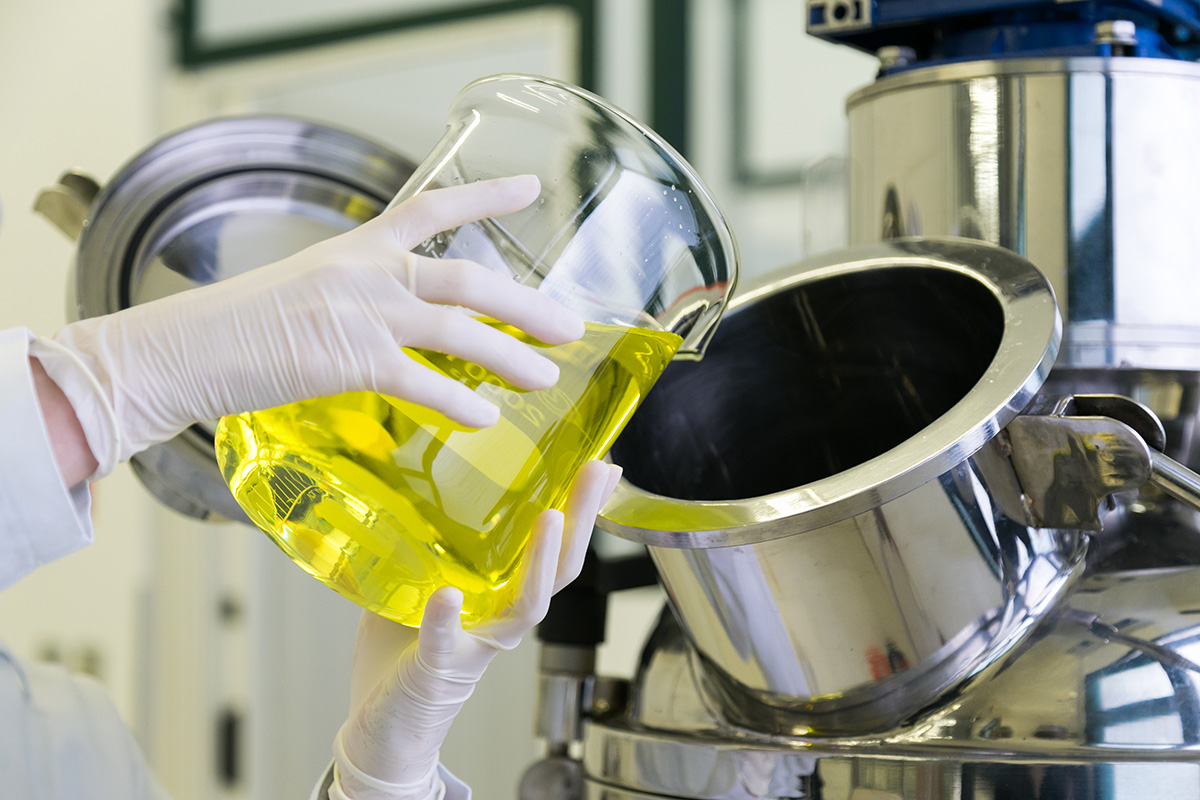
What Problems Arise from “Improper” Vegetable Oil Cleaning?
Although vegetable oils are natural and edible, lingering residues in a food production environment deteriorate rapidly and trigger four critical challenges:
1. Severe Pathogen Breeding Grounds
Residual vegetable oils serve as an ideal nutrient source for bacteria and mold, accelerating the formation of biofilm—a resilient microbial layer adhered firmly to surfaces. This significantly elevates the risk of cross-contamination into food products, shortening shelf life and posing serious health hazards to consumers.
2. Stubborn, Corrosive, and Polymerized Residues
When vegetable oils undergo thermal exposure and oxidation within the processing line, they polymerize into a viscous, glue-like grease layer. Cleaning with only water or unsuitable detergents hardens the residue, traps airborne particulates, and clogs machine crevices, conveyor belts, and sensors—ultimately causing mechanical failures.
3. Workplace Safety Risks
Surfaces coated with vegetable oil residues become exceptionally slick, dramatically increasing slip-and-fall hazards for operating personnel. Furthermore, oil build-up adjacent to heat sources poses an acute industrial fire hazard.
4. Wastewater Treatment Burden and Escalating Operational Costs
Washing oil directly into drains without prior bio-degradation causes heavy grease accumulation and pipe blockages. This spikes critical wastewater parameters—such as Biochemical Oxygen Demand (BOD), Chemical Oxygen Demand (COD), and Fat, Oil & Grease (FOG)—forcing facilities to shoulder substantial surcharges for wastewater treatment and sludge disposal.
The Strategic Advantages of Food Contact Grade Formulations
-
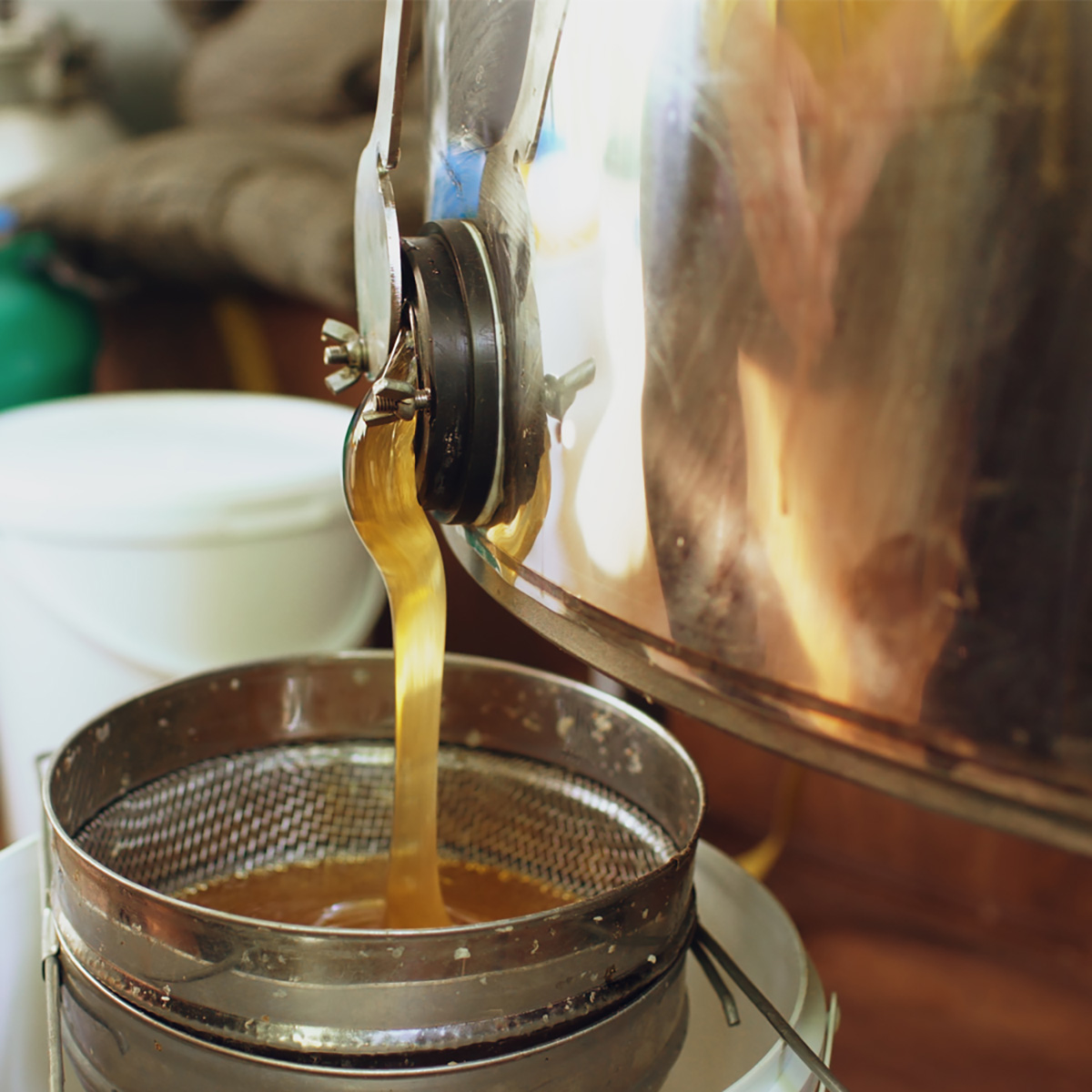
ทำไมโรงงานผลิตอาหาร-ต้องเลือกใช้น้ำยาล้างคราบน้ำมันมาตรฐาน-Food-Contact-Grade-_-02
-
ทำไมโรงงานผลิตอาหาร-ต้องเลือกใช้น้ำยาล้างคราบน้ำมันมาตรฐาน-Food-Contact-Grade-_-03
Managing oil residues in sensitive food production zones precludes the use of aggressive industrial chemicals or conventional solvents, which risk leaving volatile organic compound (VOC) residues in the air or food contact zones. Formulations certified Food Contact Grade deliver distinct operational advantages:
1. Zero Toxic Residue for Consumer Safety
Ingredients are formulated to leave no harmful chemical traces on food contact surfaces and rinse away cleanly with water, mitigating hygiene-related recalls and safeguarding brand reputation.
2. Streamlined Regulatory Compliance and Audits
Certified formulations facilitate seamless alignment with global food safety and quality frameworks, including GMP, HACCP, FSSC 22000, ISO 22000, and environmental management standard ISO 14001.
3. Non-Corrosive Surface and Machinery Protection
Typically engineered with a neutral pH, these degreasers do not corrode food-grade stainless steel, aluminum, conveyor belting, or elastomer seals, extending equipment lifespan and cutting maintenance overhead.
Sustainable Bioremediation Solutions from KEEEN
To eliminate vegetable oil residues with peak operational safety, facilities deploy KEEEN KF103 (Neutral Detergent)—a specialized, pH-neutral bio-cleanser engineered for surfaces, walls, processing equipment, and tooling across the food and beverage industry.
1. Targeted Grease Elimination
Dilute KEEEN KF103 with clean water at ratios between 1:100 and 1:20 (tailored to grease density). Apply via foam spraying, direct pouring, or scrubbing to break down and lift vegetable oil residues effortlessly before a clean water rinse.
2. Accelerating the Transition to a Green Factory
Transitioning from harsh chemicals to KEEEN’s bioremediation innovation clears production lines safely while active micro-organisms continuously digest hydrocarbon chains down the drain line. This sustained degradation lowers BOD, COD, and FOG in effluent streams, minimizes industrial waste handling costs, and drives measurable progress toward Green Industry certification.
Operational Precaution: Never direct high-pressure water sprays straight onto heavy vegetable oil deposits during initial cleaning. High pressure aerosolizes grease droplets into an airborne mist that settles on adjacent machinery and overhead ceilings, forming invisible harborages for mold and bacterial colonization.
For further information on sustainable hygiene and grease management solutions, visit www.keeen.co.th.
