


Posted on September 4, 2026 by Keeen
Why “Cleaning” Is a Critical Risk Point in Ready-to-Eat (RTE) Food Production
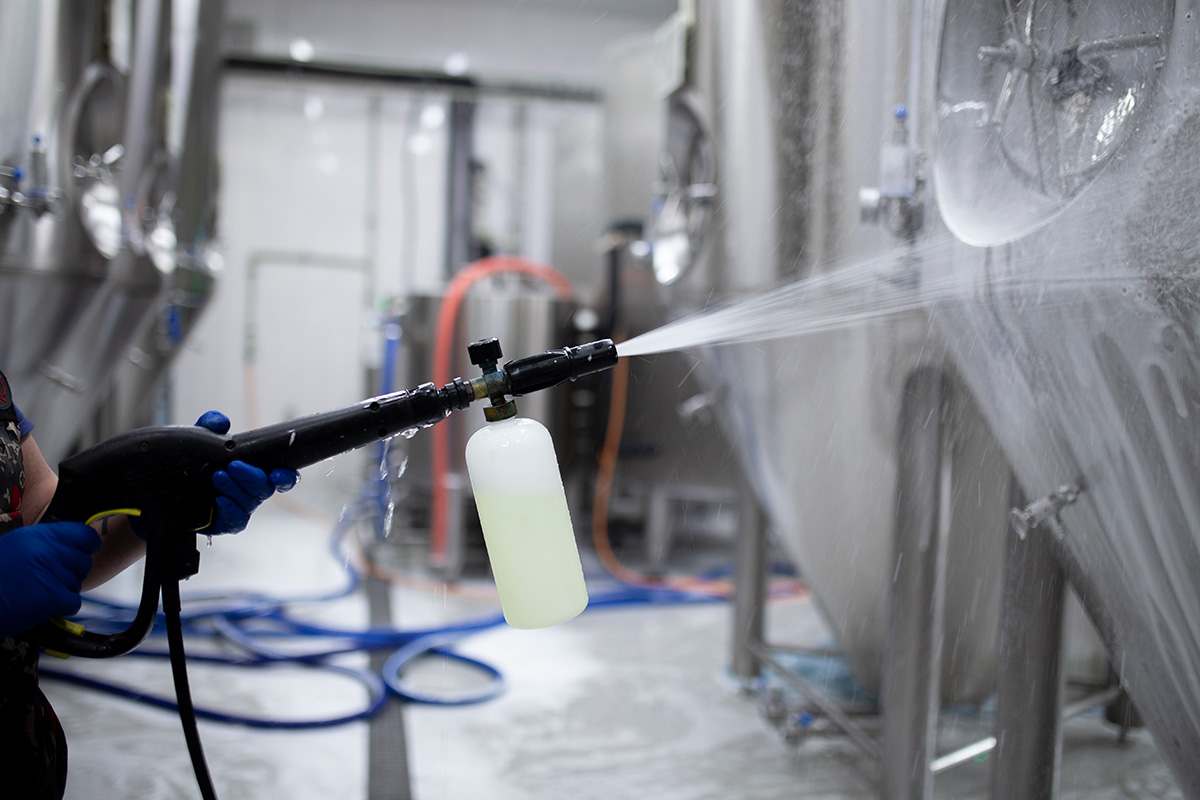
In the food industry, cleaning is not merely a supporting activity for production.
It is one of the key determinants of consumer food safety.
This is especially true in Ready-to-Eat (RTE) food manufacturing, where products are consumed directly without further cooking or microbial kill steps.
Any contamination introduced during production or cleaning can therefore be transferred directly to the consumer.
One of the most critical processes that Quality Assurance (QA) teams must closely control is Open Plant Cleaning (OPC).
Before going further, let’s clarify the key terms used in this article.
Key Terms Explained (for Non-Specialist Readers)
- RTE (Ready-to-Eat Food)
Food that can be consumed immediately without cooking or reheating for safety.
Examples include ready meals, cooked chilled foods, salads, and prepared meals. - OPC (Open Plant Cleaning)
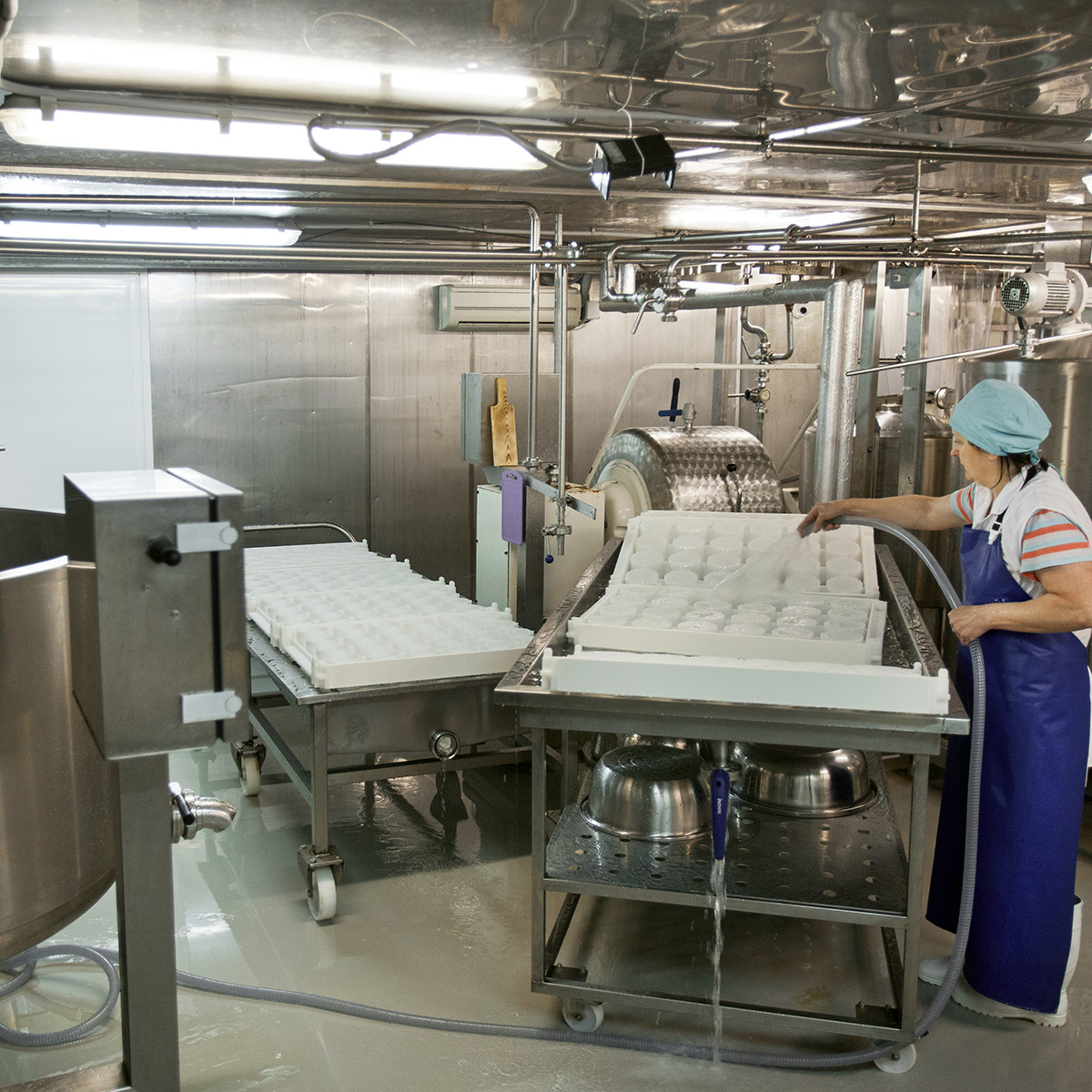
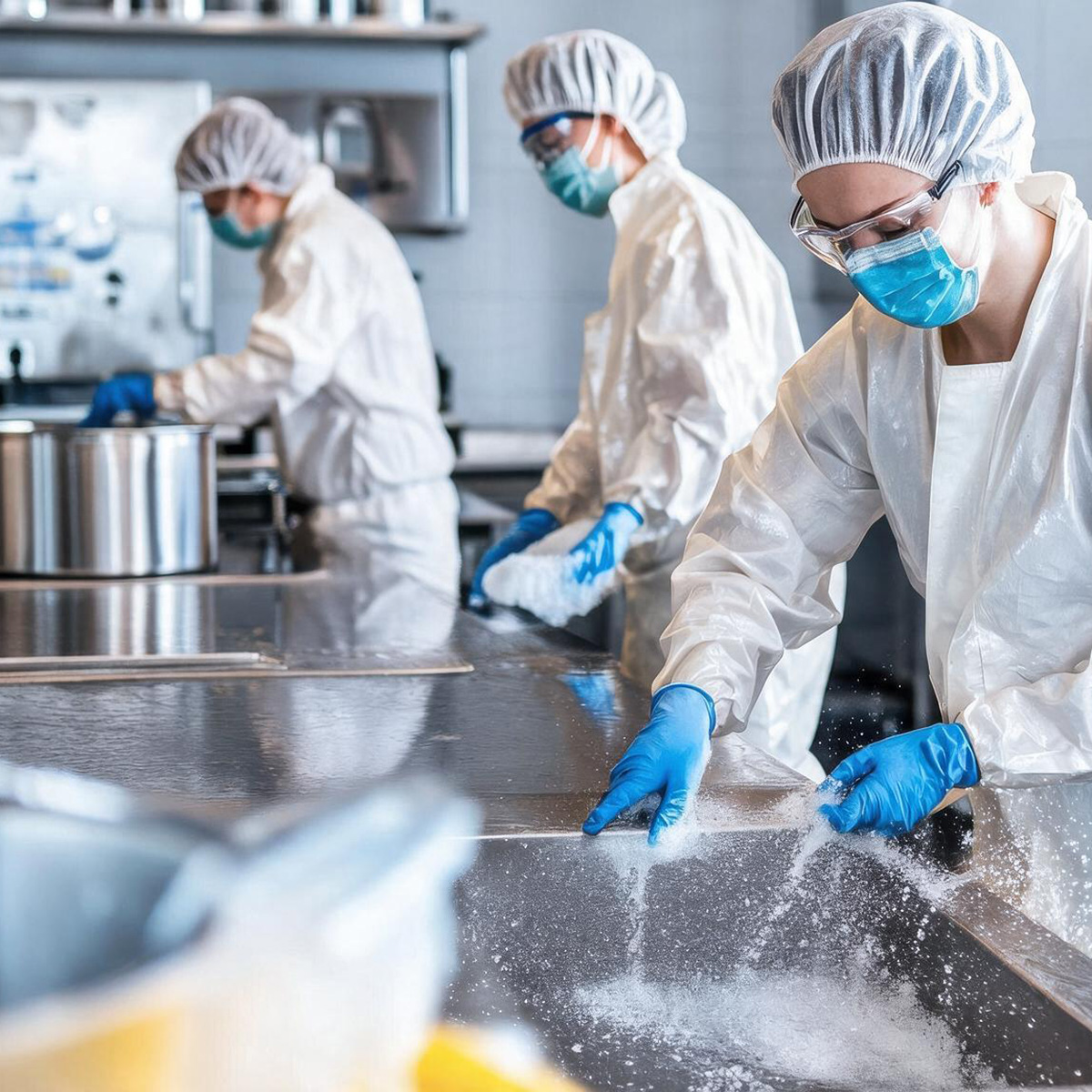
Cleaning of open equipment and areas using manual labor, water, brushes, and cleaning agents.
Examples include cleaning tables, conveyors, floors, and drains. - QA (Quality Assurance)
The function or personnel responsible for ensuring that production complies with food safety and quality standards. - CIP (Clean-in-Place)
Automated cleaning of closed systems (such as pipes or tanks) without dismantling equipment.

Why OPC Is a High-Risk Activity in RTE Food Facilities
In RTE production, food products do not undergo a final microbial kill step after processing.
As a result, any contamination introduced during OPC activities can directly compromise product safety.
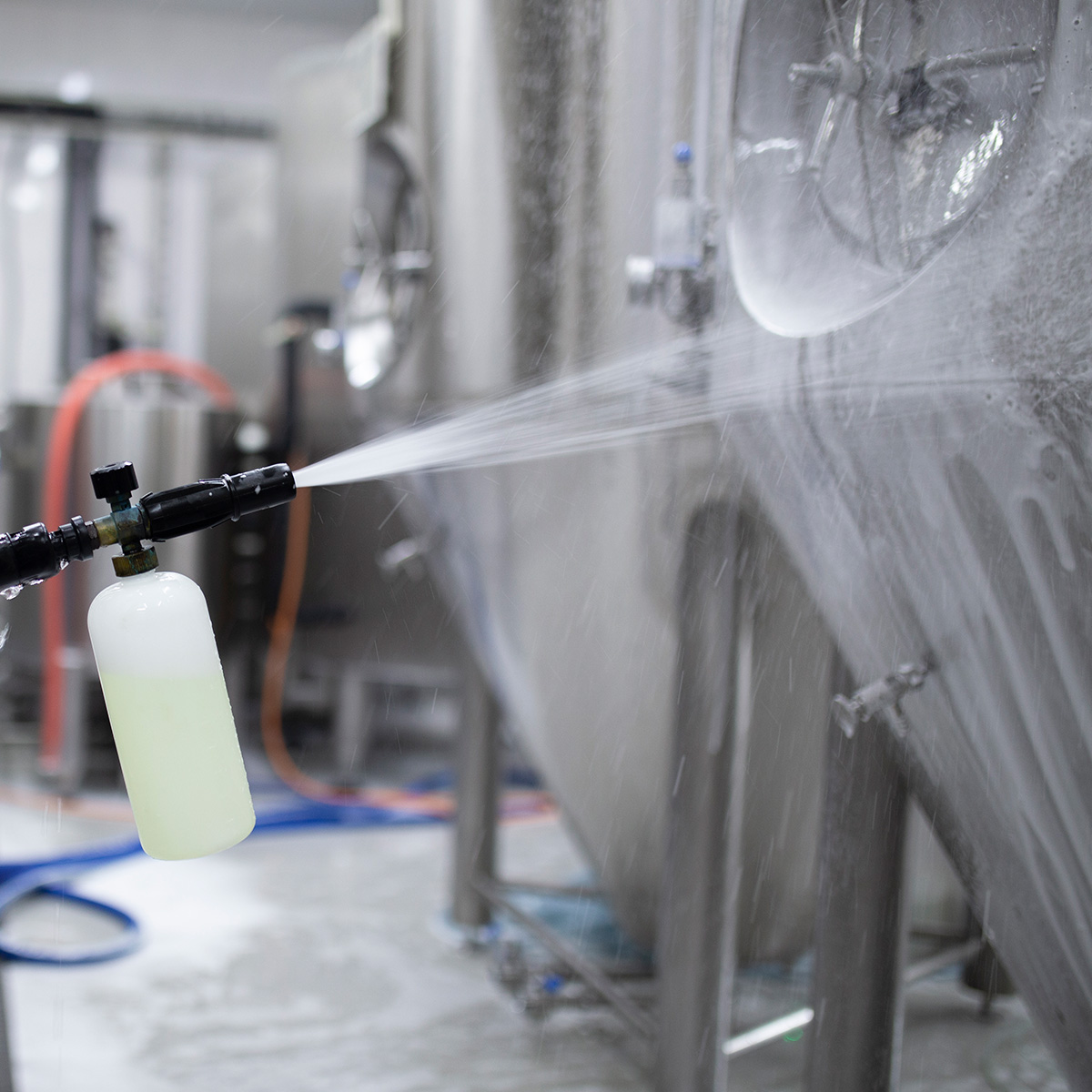
If OPC is not adequately controlled, water, microorganisms, and residues can spread through Airborne droplets, contact with surfaces, splashing from floors or drains. This increases the risk of cross-contamination between different hygiene zones.
Therefore, OPC in RTE facilities is not simply about making surfaces look clean, but about systematic risk control.
Key Risks QA Must Control During OPC in RTE Facilities
1) Risk of Cross-Contamination – OPC relies on water and mechanical action. Without proper control, splashes or aerosols from floors, drains, underneath machinery can easily reach product contact surfaces.
QA control principles should be clear zoning of production areas (Raw / Cooking / RTE). One-way cleaning flow (never from dirty areas back into RTE zones) and also avoid high-pressure water hoses in sensitive RTE areas
2) Risk of Chemical Residues
Many cleaning agents are designed to be highly aggressive to remove heavy soils, but are not suitable for RTE production environments.
Common risks include chemical residues on stainless steel surfaces, lingering chemical odors on equipment and chemical hazards identified under HACCP (Hazard Analysis and Critical Control Points)
QA responsibility have to clearly separate between Cleaning (soil removal) and Disinfection (microbial control) by select products that rinse easily and do not leave films or residues
3) Hidden Niches and Wet Areas: Invisible Sources of Contamination
In RTE facilities, contamination often does not originate from processing tables,
but from areas perceived as “low risk,” such as drains, under conveyors, seals, gaskets, wheels of carts and frequent hand contact points. If OPC does not adequately address these areas, microorganisms can migrate back into production zones.
How Bio-Based Surfactants Support Safer OPC in RTE Facilities
1) Effective Soil Removal with Less Aggressive Chemistry – bio-based surfactants penetrate and lift fats, proteins, sugars. This reduces the need for high-alkaline or strong acidic cleaners, lowering risks to equipment surfaces, operators also food contact areas
2) Reduced Risk of Chemical Residues –Bio-based surfactants typically rinse more easily than conventional surfactants, not leave persistent films or chemical residue and not impart chemical odors to food contact surfaces
This makes them more suitable for RTE environments, where residue control is critical.
3) Improved Compatibility with Wastewater Treatment Systems –from an environmental engineering perspective, aggressive cleaning chemicals can damage beneficial microorganisms in wastewater treatment systems which ause unstable BOD (Biochemical Oxygen Demand) and COD (Chemical Oxygen Demand) levels
Bio-based, biodegradable surfactants help reduce this downstream impact and support long-term environmental sustainability.
Cleaning in RTE food manufacturing is not only about visible cleanliness. It is about controlling invisible risks related to microbial contamination-chemical residues-environmental impact