


Posted on November 27, 2026 by Keeen
Restaurant Food Waste
Separate It Right, Change the Outcome
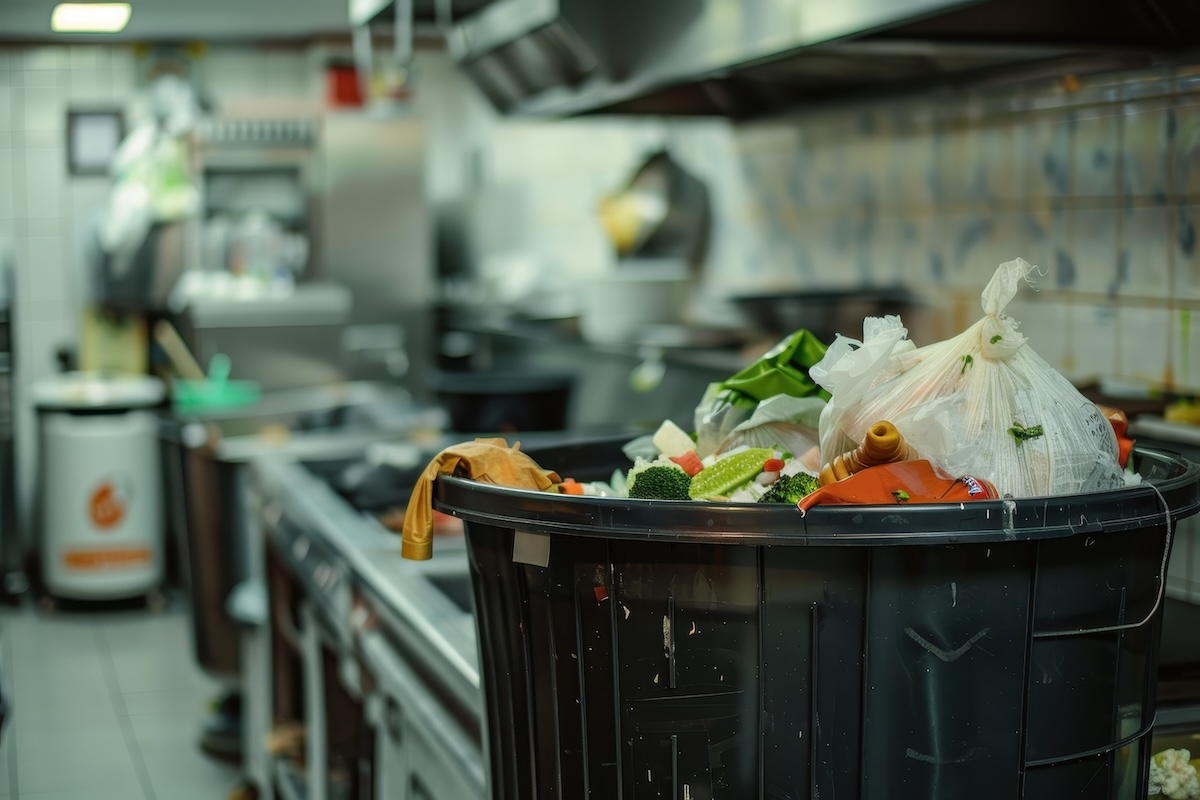
A single restaurant can generate 30–50 kg of food waste per day, much of which is still mixed with general waste without proper separation or treatment.
This is more than a waste-management issue. It represents a hidden operational cost that can affect hygiene, drainage systems, wastewater treatment, waste disposal costs, and the restaurant’s environmental performance.
Food Waste Is Bigger Than What Comes Back on the Plate
In food service operations, food waste is generated throughout the kitchen process—not only from leftovers returned by customers.
Typical sources include:
- Food preparation waste — vegetable and fruit peels, trimmings, and discarded ingredients
- Fats, oils and grease (F.O.G.) — cooking oil, animal fat, and grease washed from equipment
- Over-preparation and overproduction — food prepared but not served
- Plate waste — food left by customers and returned to the kitchen
When these waste streams are mixed together, they can create a chain of operational problems—from odors and pest attraction to clogged drains, overloaded grease traps, and higher disposal costs.
Three Types of Food Waste That Should Be Managed Separately
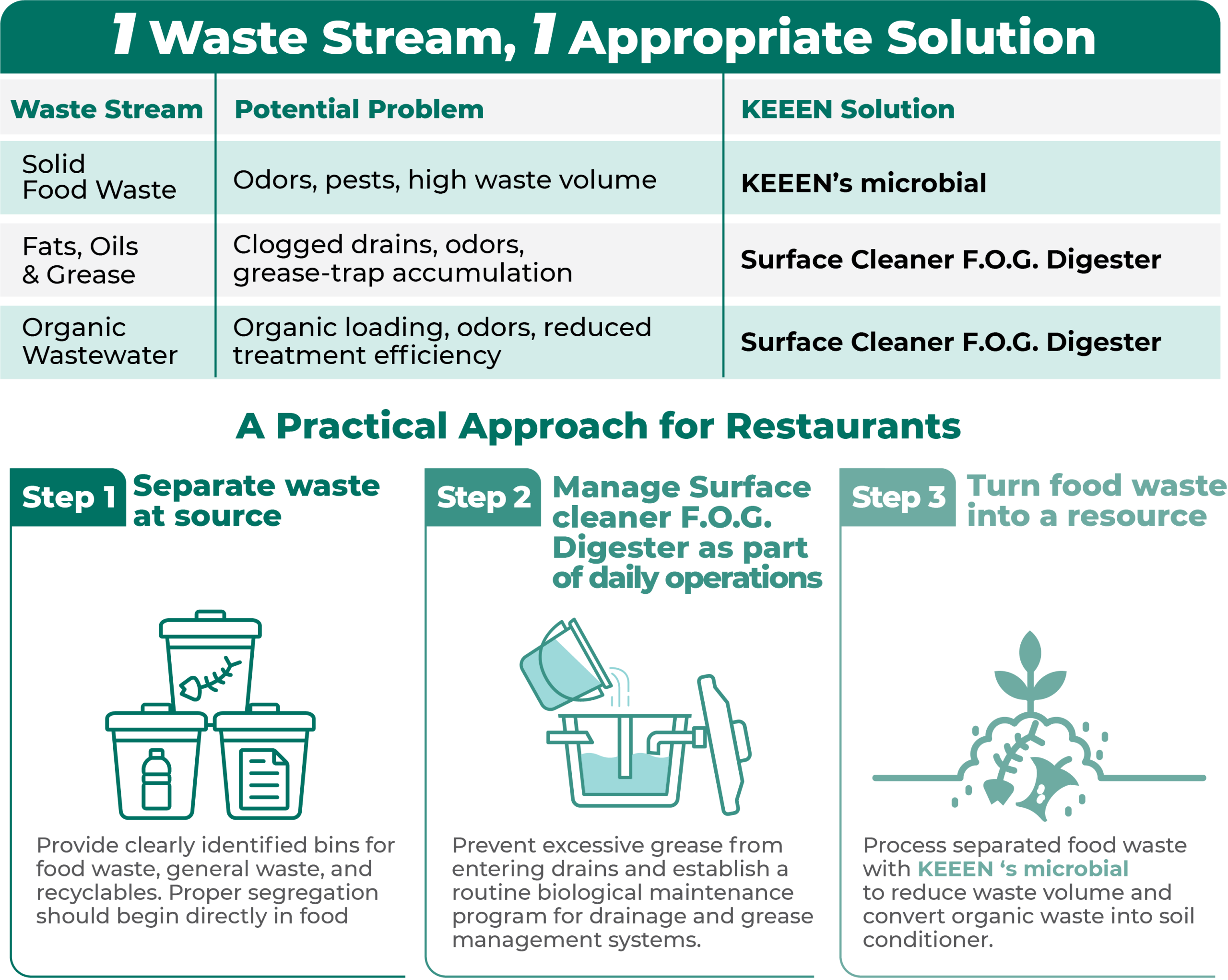
1. Solid Food Waste
Food scraps, preparation waste, and plate waste contain high levels of organic matter and moisture.
If improperly managed, they can rapidly decompose, generate odors, attract flies, cockroaches and rodents, and eventually contribute to methane generation when disposed of under anaerobic landfill conditions.
2. F.O.G. — Fats, Oils & Grease
Cooking oils, animal fats, and grease from plates and kitchen equipment can enter drainage systems during daily operations.
F.O.G. does not simply disappear after entering a drain. It can accumulate inside pipes and grease traps, contributing to blockages, strong odors, and increased grease-trap maintenance requirements.
3. Organic Wastewater
Dishwashing water, food preparation water, and wastewater containing organic residues can place additional organic loading on drainage and wastewater treatment systems.
Without appropriate management, these contaminants may contribute to odors and reduce overall wastewater treatment efficiency.
Why Food Waste Separation Makes a Difference
Reduce Waste Disposal Costs
Food waste contains significant moisture and therefore adds considerable weight to general waste.
Separating and treating organic waste at source can reduce the amount of waste requiring off-site disposal and help businesses manage waste-related costs more effectively.
Control Odors and Pests at the Source
Food residues provide both nutrients and moisture for pests.
Removing and managing organic waste quickly helps eliminate the conditions that attract flies, cockroaches, rodents, and other pests—supporting better hygiene throughout the operation.
Protect Drains and Grease Traps
F.O.G. entering the drainage system can gradually accumulate on pipe surfaces and inside grease traps.
Managing grease at the source helps reduce excessive accumulation, minimize odor problems, and support more stable drainage performance.
Support Hygiene and Environmental Compliance
Effective waste management is an important component of food hygiene, sanitation, and environmental management systems.
A structured approach to waste segregation also supports operational readiness for hygiene inspections and food safety management requirements.
Strengthen ESG and Sustainability Performance
Food waste is increasingly viewed not only as waste, but as a resource that can potentially be recovered and returned to productive use.
For restaurants, hotels, and food service businesses, demonstrating how food waste is reduced, treated, or converted into useful resources can become part of a credible sustainability story
Closing the Food Waste Loop with KEEEN
KEEEN provides solutions designed to address different organic waste streams—from solid food waste to F.O.G. and organic residues within drainage systems.
KEEEN’s Microbial Solution: Turning Food Waste into Soil Conditioner
KEEEN’s Microbial Solution is a biological process that breaks down food waste and transforms it into a nutrient-rich Soil Conditioner using a food waste composter.
The process takes just 20–23 hours, converting food waste into a valuable soil conditioner that supports agricultural applications and promotes sustainable waste management.
Key outcomes include:
- More than 70% reduction in food waste volume
- Processing time of approximately 20–23 hours
- Operating cost of up to approximately THB 98/day
- Output can be used as soil conditioner or distributed for appropriate agricultural and landscaping applications
Suitable for restaurants, hotels, central kitchens, hospitals, schools, and facilities generating food waste every day.
Learn more about KEEEN Bio Composter
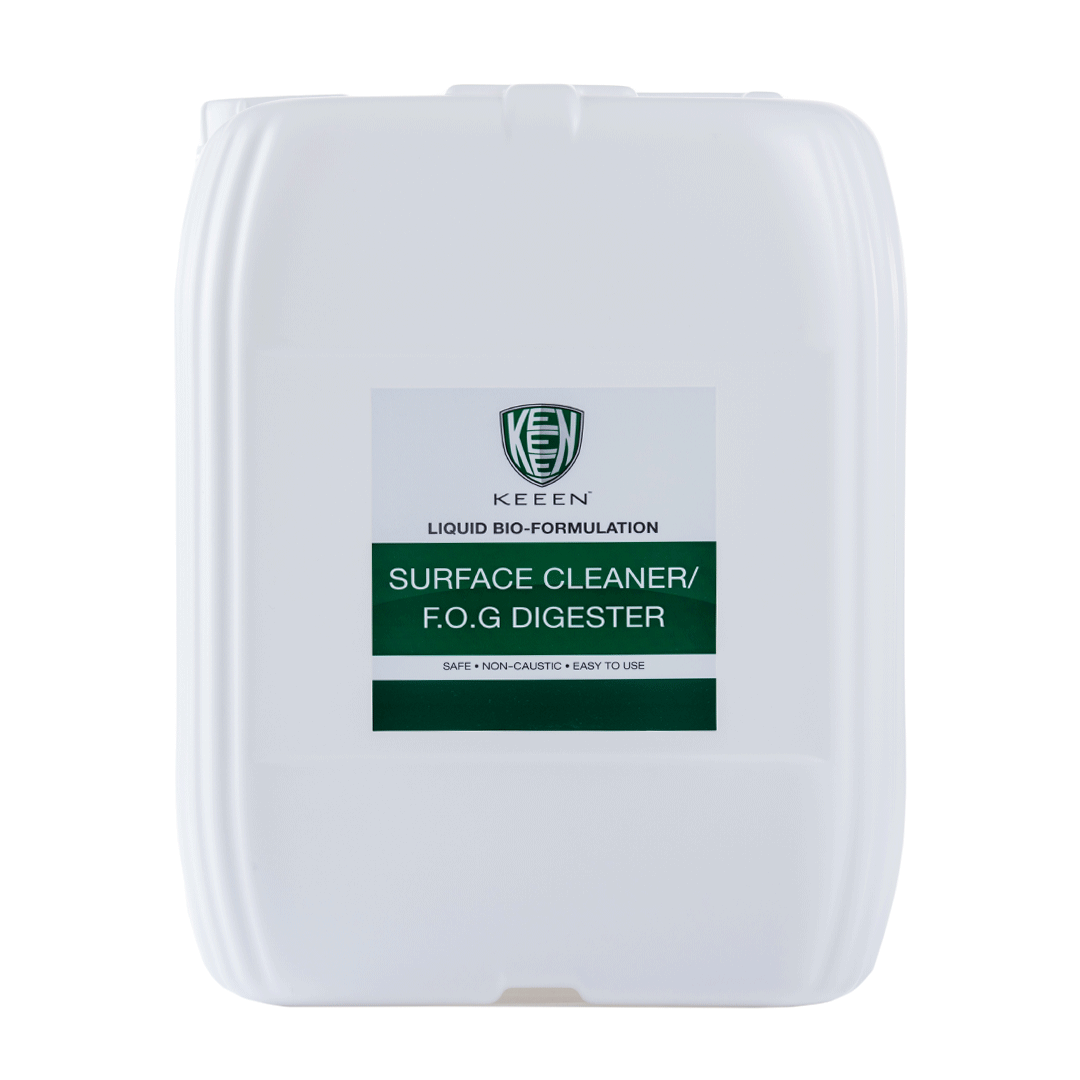
Surface Cleaner / F.O.G. Digester
Bio-Organic Technology for Fats, Oils & Grease Management
KEEEN Surface Cleaner / F.O.G. Digester combines selected microorganisms and high-performance biological components designed to help break down fats, oils, grease and organic residues in kitchen environments, drains, and grease management systems.
Key benefits:
- Helps break down accumulated F.O.G. in drains and grease traps
- Helps control odors associated with decomposing organic residues
- Supports wastewater treatment performance
- Neutral pH and designed to be non-corrosive under recommended conditions
For routine applications, the product can be diluted according to the recommended usage rate and incorporated into an appropriate kitchen and drainage maintenance program.
Learn more about Surface Cleaner / F.O.G. Digester
From Waste Cost to Resource Value
Proper food waste management is no longer only about cleanliness or waste disposal.
It is an operational strategy that can support better hygiene, lower waste volumes, improved drainage and wastewater management, pest prevention, and measurable sustainability initiatives.
By combining KEEEN Bio Composter for solid food waste with F.O.G. Digester for grease and organic residues, food service businesses can move toward a more integrated approach to food waste management—from the kitchen to the drainage system.
Separate at the source. Treat each waste stream appropriately. Turn waste into value.