


Posted on July 17, 2025 by Keeen
When Herbs Are Known for Antimicrobial Properties, Why Does Contamination Still Occur in Manufacturing ?
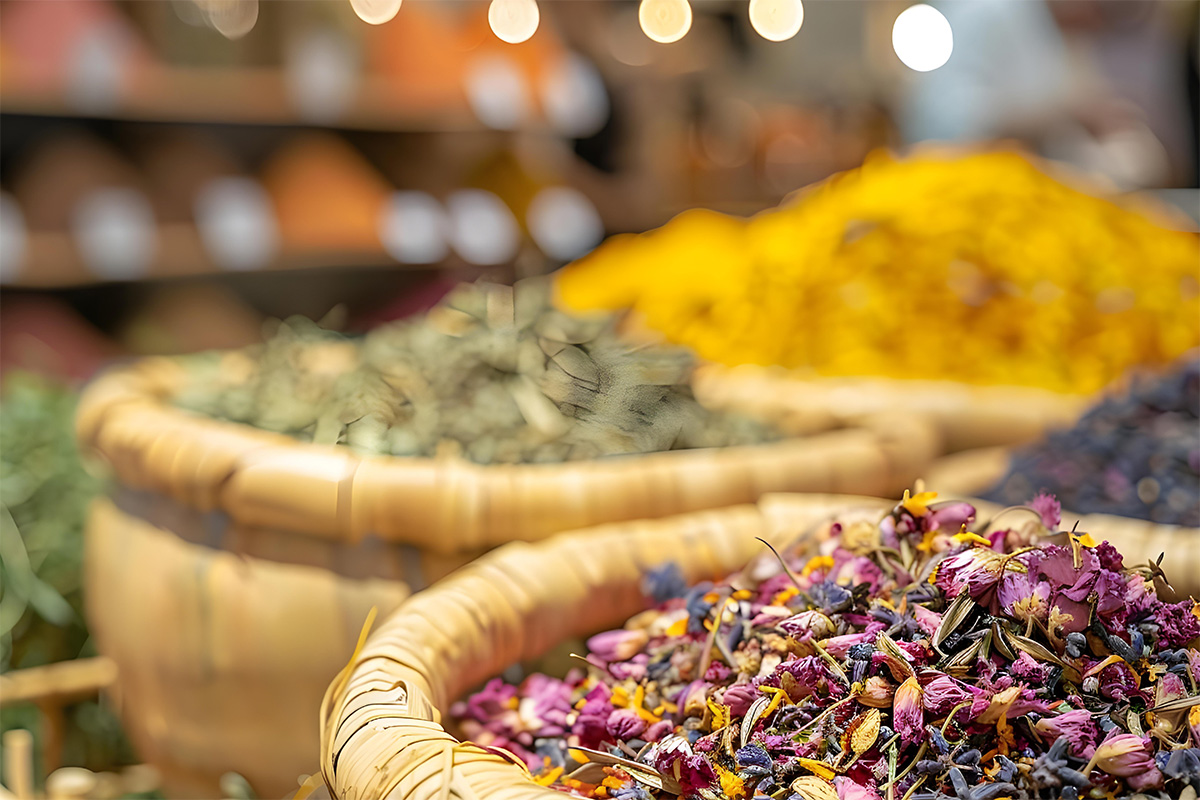
Many herbal materials, such as Karaboon, are widely recognized in traditional knowledge and scientific studies for their antibacterial and antifungal activity. This has led to a common assumption in herbal manufacturing that:
“If the raw material itself has antimicrobial properties, the risk of contamination during production should be low.”
However, this assumption does not align with modern consumer safety principles and is insufficient under the regulatory framework of the Thai Food and Drug Administration (Thai FDA).
In practice, the safety assessment of herbal products is not based solely on the intrinsic properties of raw materials. Instead, regulatory authorities place primary emphasis on process-based control systems, covering:
- Operators and personal hygiene
- Food-contact surfaces and equipment
- Production environment
- Cleaning and sanitation practices at every stage
This explains why contamination—such as microbiological hazards, mold growth, or cross-contamination—is still frequently detected, particularly in facilities that rely heavily on manual production processes and human handling.
Manual Herbal Production: The Reality of Contamination Risk
In reality, many herbal manufacturing facilities continue to operate under manual or semi-manual systems, including raw material sorting, drying, grinding and packaging. These processes depend largely on human labor and basic equipment, rather than fully automated machinery.
Under such conditions, standardized cleaning and hygiene programs become the most critical control point for contamination prevention—and one of the key focus areas during Thai FDA inspections of herbal manufacturing facilities.
-

BLOG2026-17_When-Herbs-Are-Known-02
-
BLOG2026-17_When-Herbs-Are-Known-03
-

BLOG2026-17_When-Herbs-Are-Known-04
1. Sources of Contamination Risk in Manual Production Systems
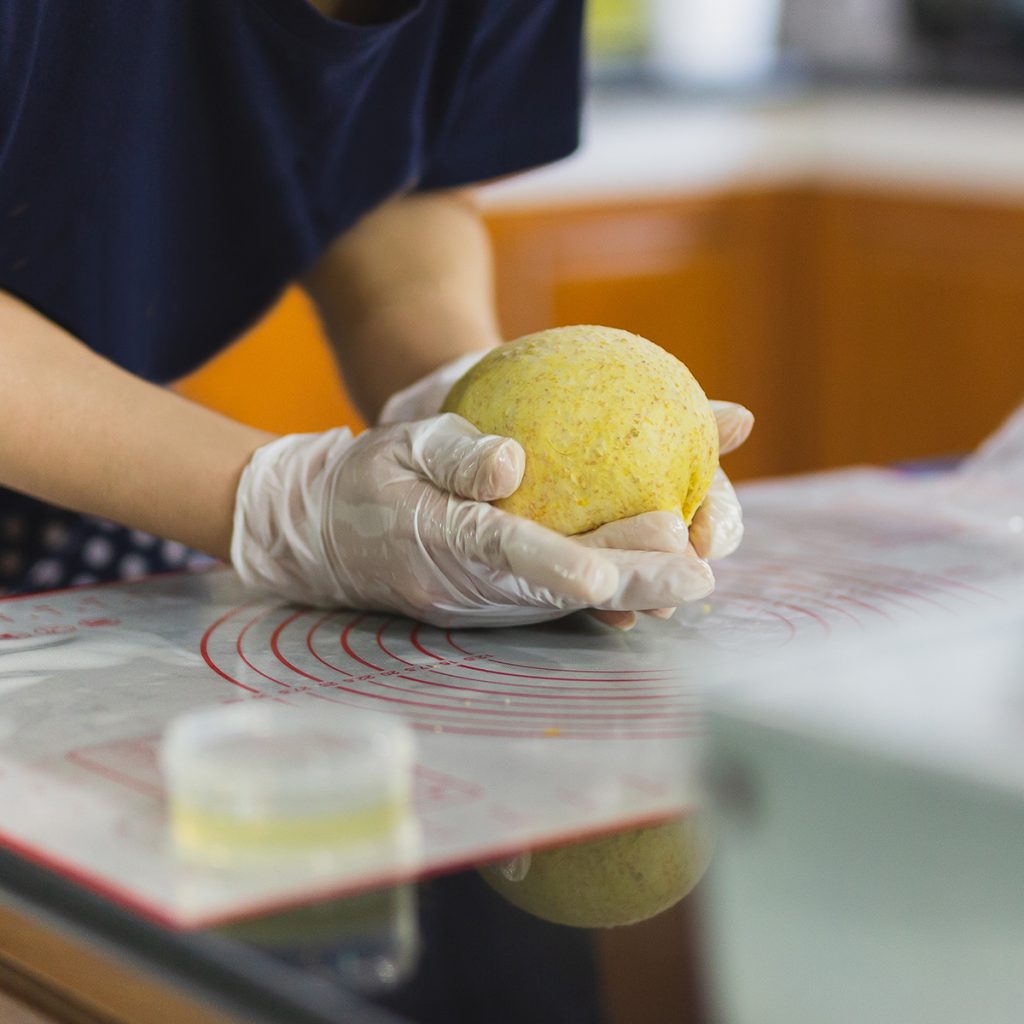
1.1 Operator Contamination : In manual operations, workers’ hands are the primary contact point between raw materials, equipment, packaging materials
Common risks include improper handwashing techniques, use of harsh detergents that cause skin irritation, leading to incomplete cleaning and also inconsistent cleaning practices between shifts
As a result, operators’ hands often become a major vector for cross-contamination.
1.2 Food-Contact Surfaces
Examples include sorting tables, drying trays, open grinders, and containers.
Common issues observed:
- Accumulation of organic residues
- Residual moisture in raw materials and surfaces
- Use of overly aggressive chemicals that leave residues
- Lack of preventive cleaning programs
Even when herbs possess antimicrobial properties, unclean surfaces serve as microbial reservoirs that herbal activity cannot control.
1.3 Lack of Standardization in Manual Workflows
Typical challenges include absence of clear cleaning SOPs, operators relying on personal habits rather than standardized procedures, changes in work shifts resulting in inconsistent hygiene levels and inability to clearly explain sanitation systems to auditors
This is why many facilities pass inspections once—but fail during subsequent audits.
2. Why Safe, Standard-Compliant Cleaning Products Matter in Herbal Manufacturing
In herbal factories, cleaning is not only about cleanliness—it must also ensure:
- Operator safety
- No chemical residues on raw materials or food-contact surfaces
- Compliance with Thai FDA requirements for pharmaceutical and herbal manufacturing facilities
Risks Associated with Conventional Cleaning Chemicals
- Strong chemicals causing skin irritation → incomplete use by workers
- Pungent odors → insufficient rinsing
- Lack of documented compliance with GHP or HACCP principles
- Difficulty in explaining chemical safety and hygiene controls to QA teams or auditors
3. The Correct Approach: A Full Cleaning Program as a Preventive Control
Herbal manufacturers that successfully upgrade their operations treat cleaning as a preventive control, not a corrective action.
The key principle is: Clean to prevent contamination from occurring, not to react after test results fail.
A structured cleaning program becomes an integral part of the overall contamination-control system.
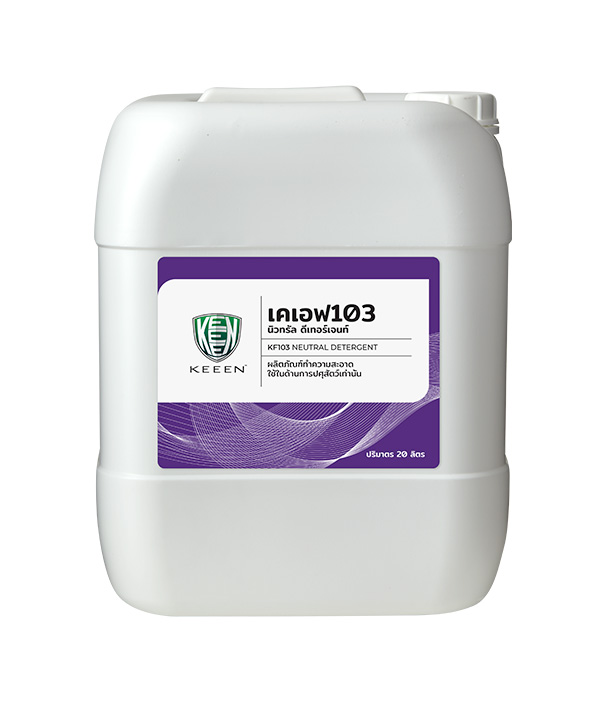
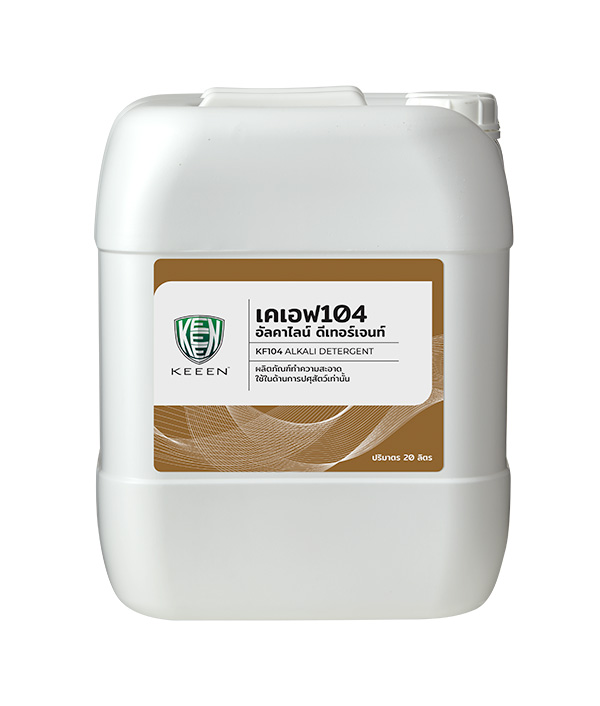
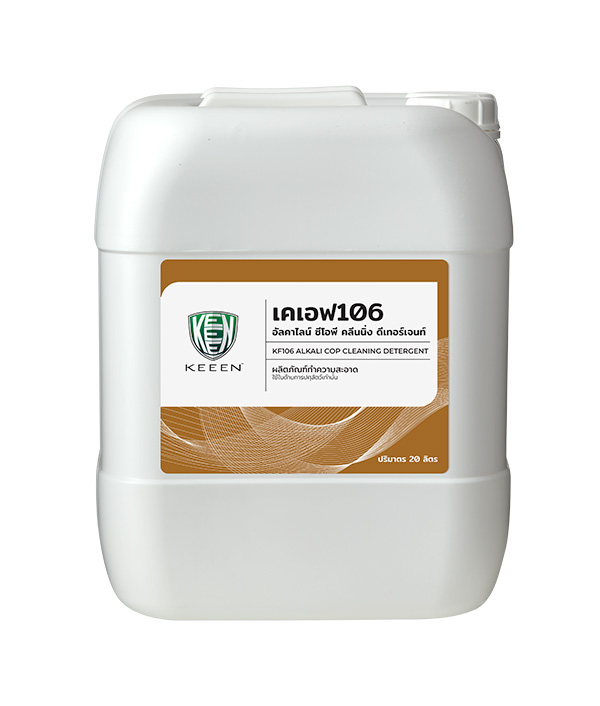
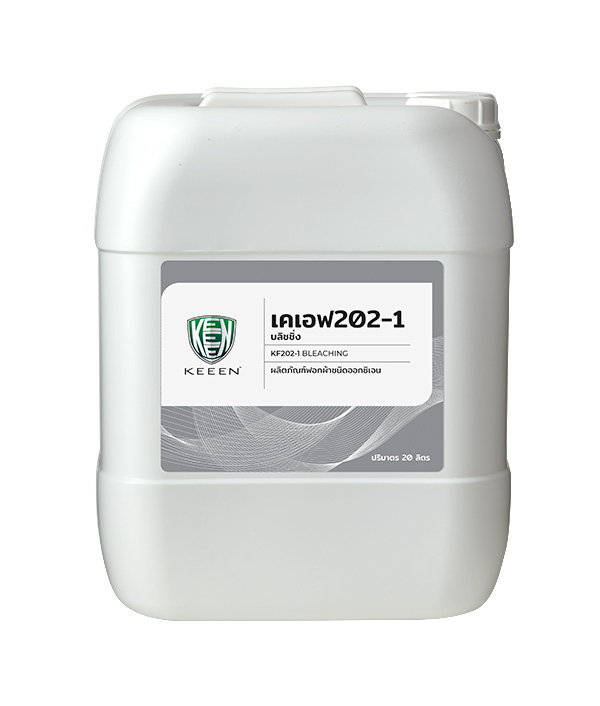
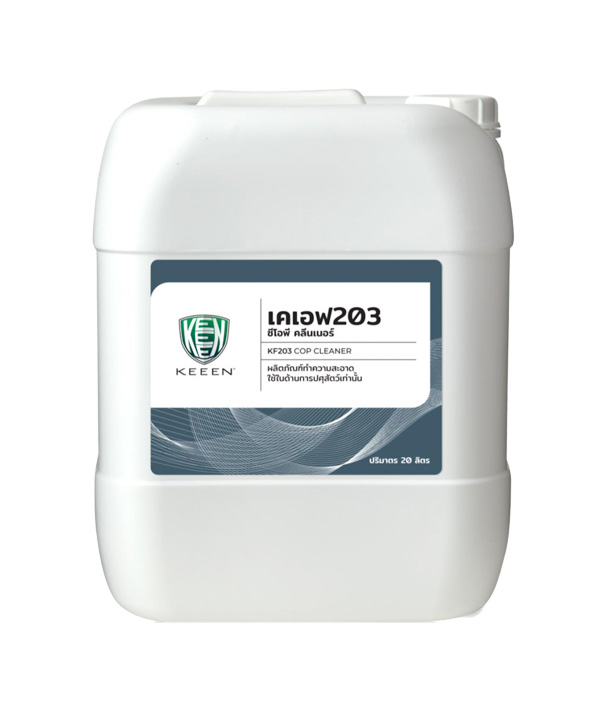
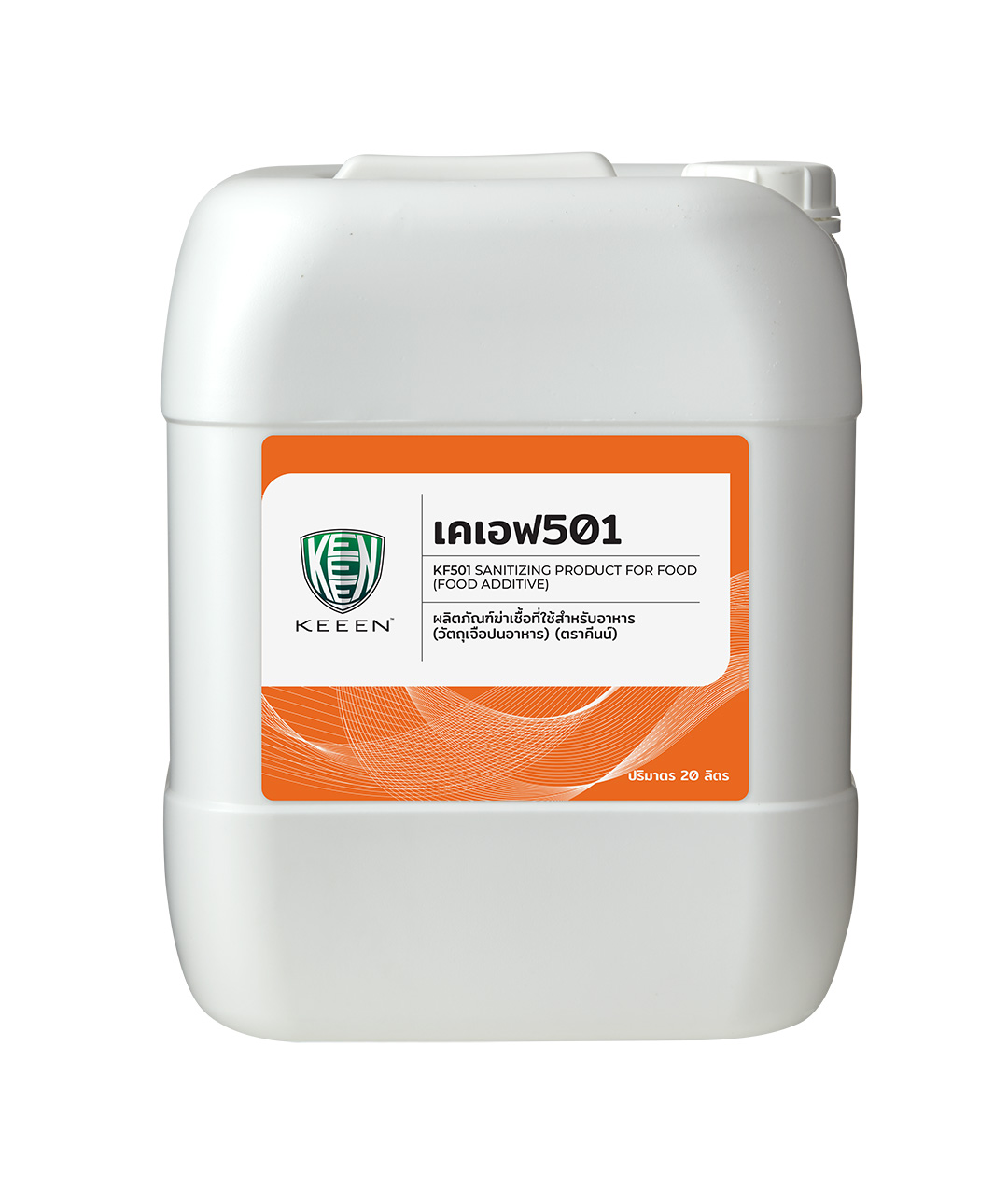
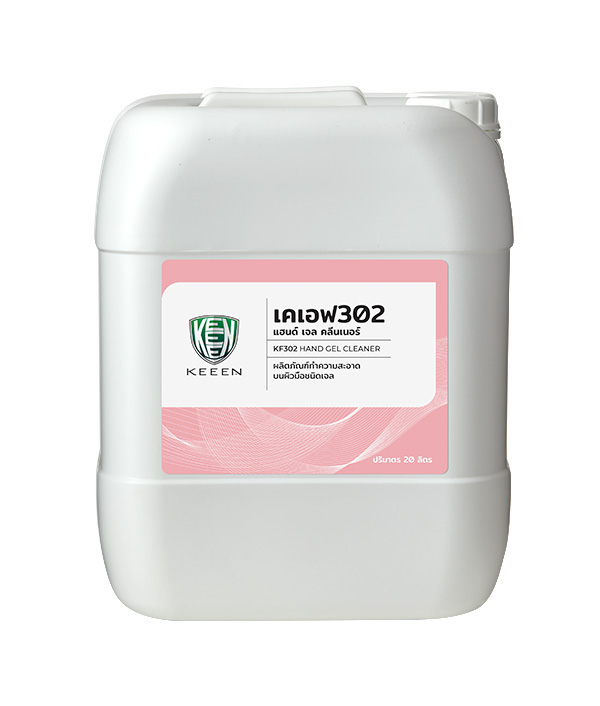
4. The Role of the KEEEN Cleaning Program for Manual Herbal Facilities
All cleaning solutions developed by KEEEN Biotech Group
are specifically designed to support real-world herbal manufacturing environments, especially manual operations.
The KEEEN Cleaning Program emphasizes:
- Plant-based, bio-derived cleaning agents
- Rapid surface antimicrobial action
- Protection of equipment and surfaces without corrosion
- Improved hygiene standards for both operators and facilities
An added benefit is automatic alignment with environmental performance standards, supporting sustainability goals as a natural outcome of proper cleaning system design.
4.1 Safe for Operators with Bio-based / water-based formulations, non-corrosive, non-irritating, reduces resistance and non-compliance among workers
4.2 Designed for Manual Cleaning that suitable for handwashing, tools, tables, and trays, no need for automated equipment, easy to apply consistently across all shifts
4.3 Low Residue Risk by easy-rinse formulations, does not interfere with herbal raw materials and fully aligned with Food Safety, GHP, and HACCP principles
4.4 Audit-Ready System which supported by scientific rationale, easily integrated into SOPs and training programs lastly enables factories to control systems, not just inspection results
5. From Cleaning Practices to Consumer Trust
Today’s consumers increasingly value – Safety , Natural processes, Reduced reliance on harsh chemicals and plus with Long-term sustainability
Selecting safe, standard-compliant cleaning solutions tailored for herbal raw materials is not a cost—it is an investment in brand credibility and long-term trust.
In manual herbal manufacturing, cleaning is the first line of defense against contamination. While herbs may have antimicrobial properties, only a controlled, safe, and auditable hygiene system ensures sustainable compliance.
KEEEN is not merely a product supplier—it is a partner in Food & Herbal Safety,
supporting Thai herbal manufacturers in building safer, more stable, and future-ready operations.
Contact us to design your KEEEN Cleaning Program:
📧 info@keeen.co.th