


Posted on March 20, 2026 by Keeen
⚙️ Pasteurization: Why Food Businesses Must Focus on Equipment and Cleaning Systems
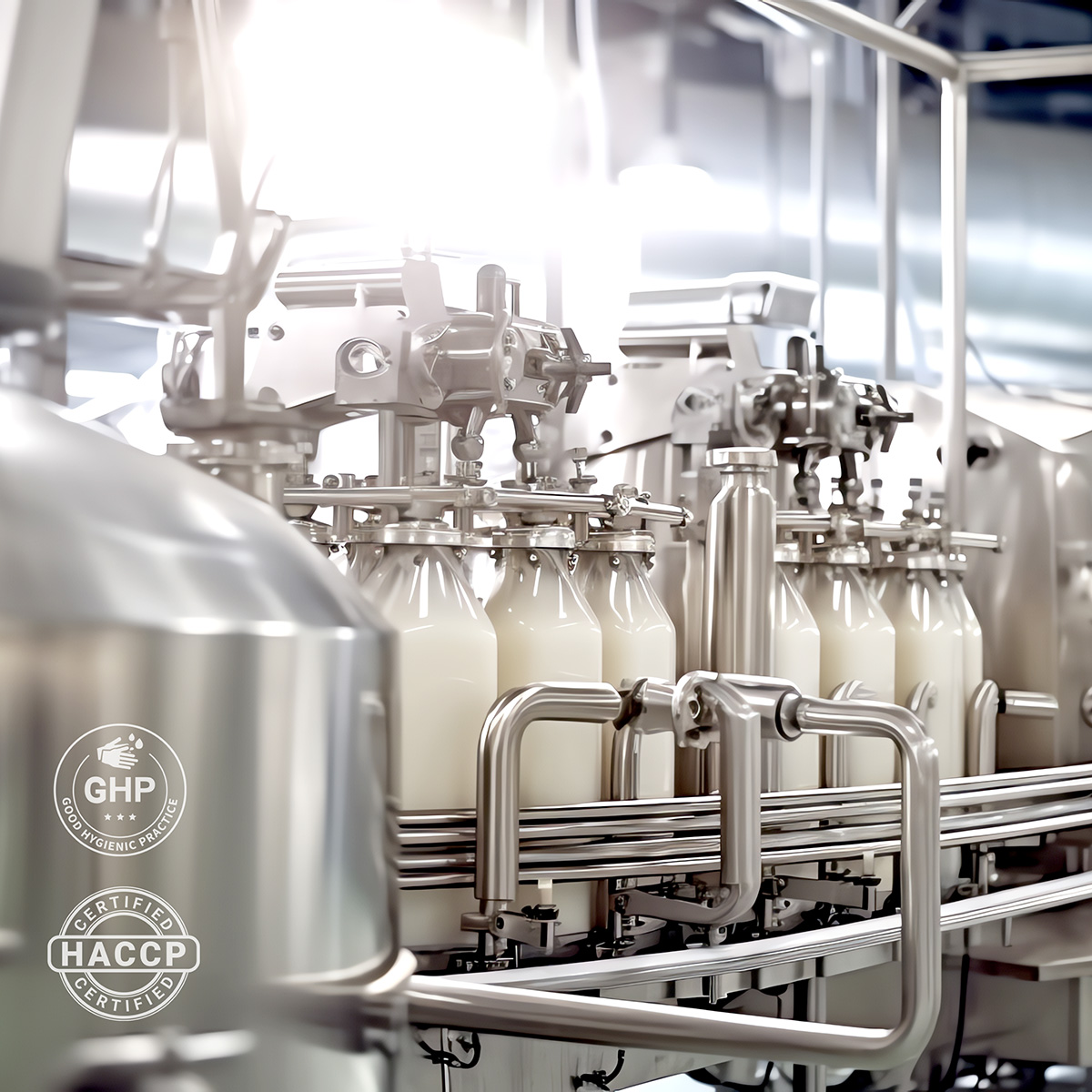
📌 Pasteurization and Its Critical Role in Food Production
Pasteurization is a cornerstone process in the food and beverage industry. From dairy plants, juice factories, and breweries to ready-to-eat food producers, this heat treatment process ensures pathogen elimination and extends product shelf life without compromising quality.
However, while pasteurization enhances food safety, it can also cause hidden challenges for equipment and cleaning systems. These issues, if overlooked, can lead to higher operational costs and increased food safety risks.
🌟 Key Problems Pasteurization Causes for Equipment and Systems
-
BLOG2026-07_Pasteurization-Why-Food-BU-Must-Focus-02
-
BLOG2026-07_Pasteurization-Why-Food-BU-Must-Focus-03
-
BLOG2026-07_Pasteurization-Why-Food-BU-Must-Focus-04
-
BLOG2026-07_Pasteurization-Why-Food-BU-Must-Focus-05
❌ 1. Heat Fouling & Scaling
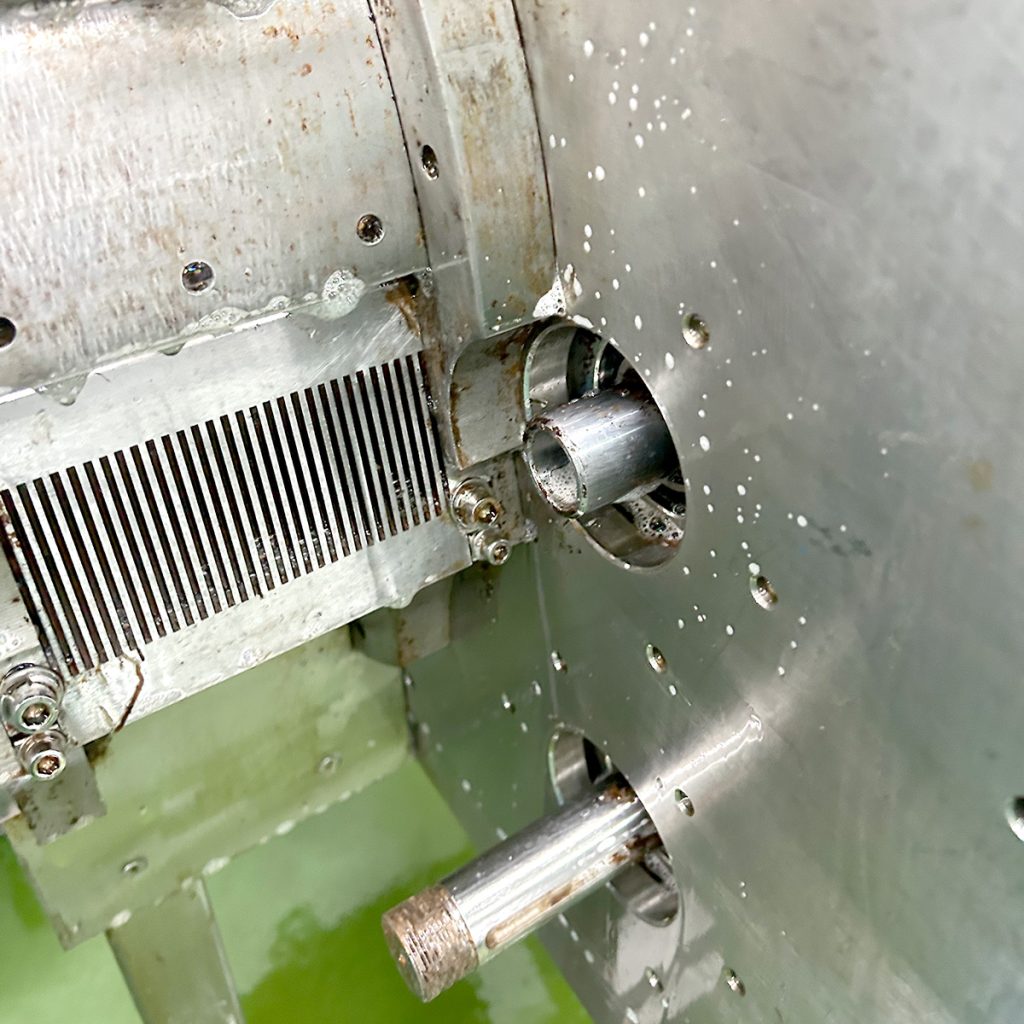
Protein, fat, and mineral deposits (e.g., calcium, magnesium) tend to accumulate on surfaces of heat exchangers and pipes under high temperatures.
📉 Impact:
- ⚠️ Reduced heat transfer efficiency
- 📈 Increased energy consumption to maintain target temperatures
- 🛑 Potential shutdowns if fouling leads to overheating or damage
❌ 2. Corrosion of Equipment
Harsh cleaning agents like caustic soda or strong acids are often used post-pasteurization to remove residues. But these chemicals can:
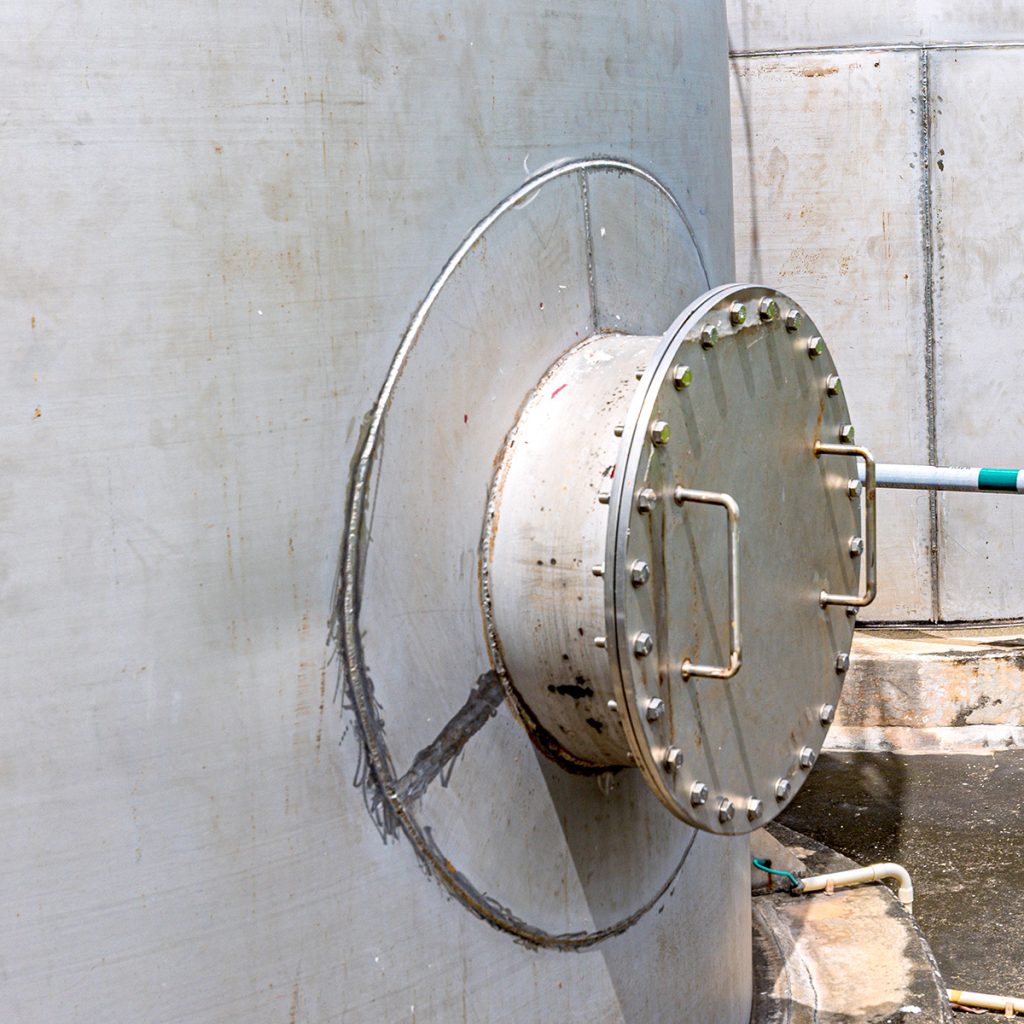
- ⚠️ Cause pitting corrosion on stainless steel surfaces
- ⚠️ Accelerate wear on seals and joints
- 📉 Lead to frequent part replacements and higher maintenance costs
❌ 3. Cross-Contamination Risks
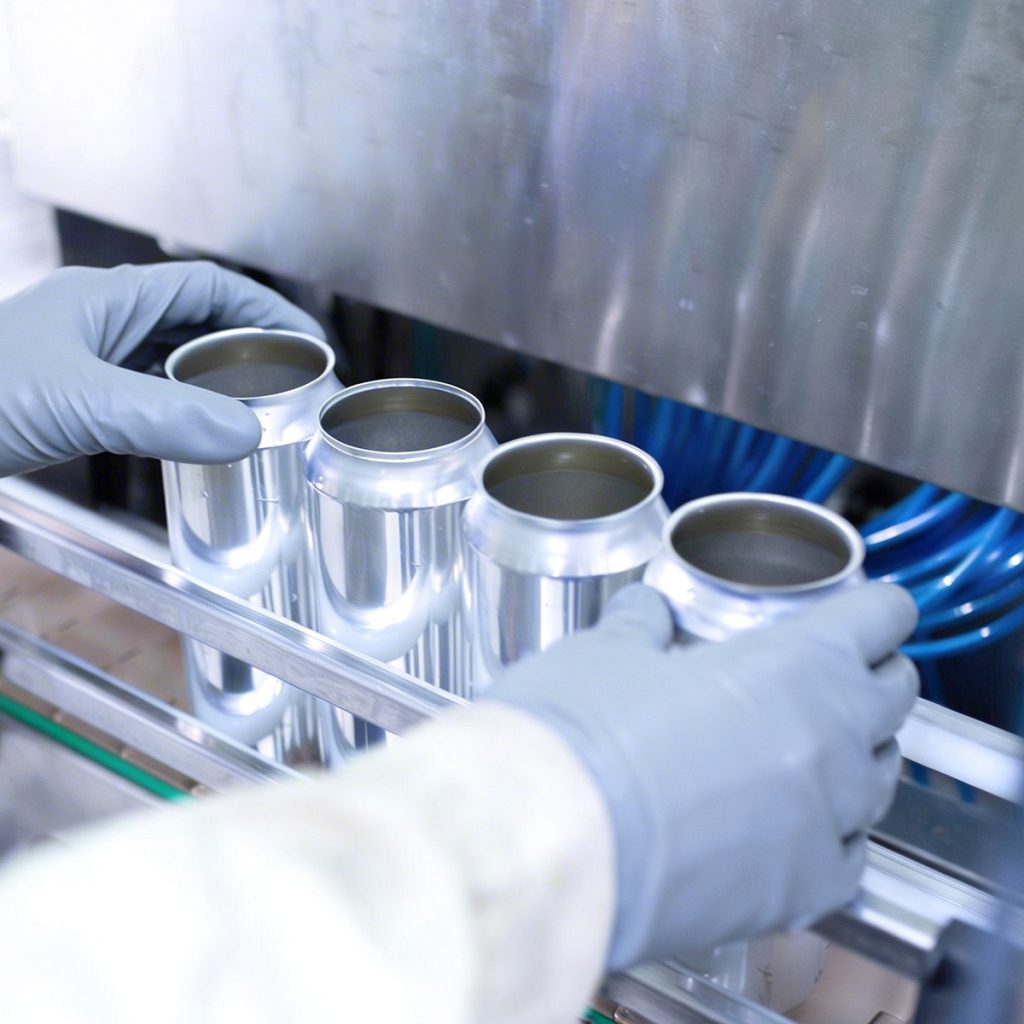
If the Cleaning-In-Place (CIP) system fails to clean thoroughly, residual proteins and fats on equipment surfaces and pipes can harbor pathogens such as Listeria monocytogenes.
📉 Impact:
- ⚠️ Increased risk of product recalls due to contamination
- 📉 Damaged brand reputation and loss of consumer trust
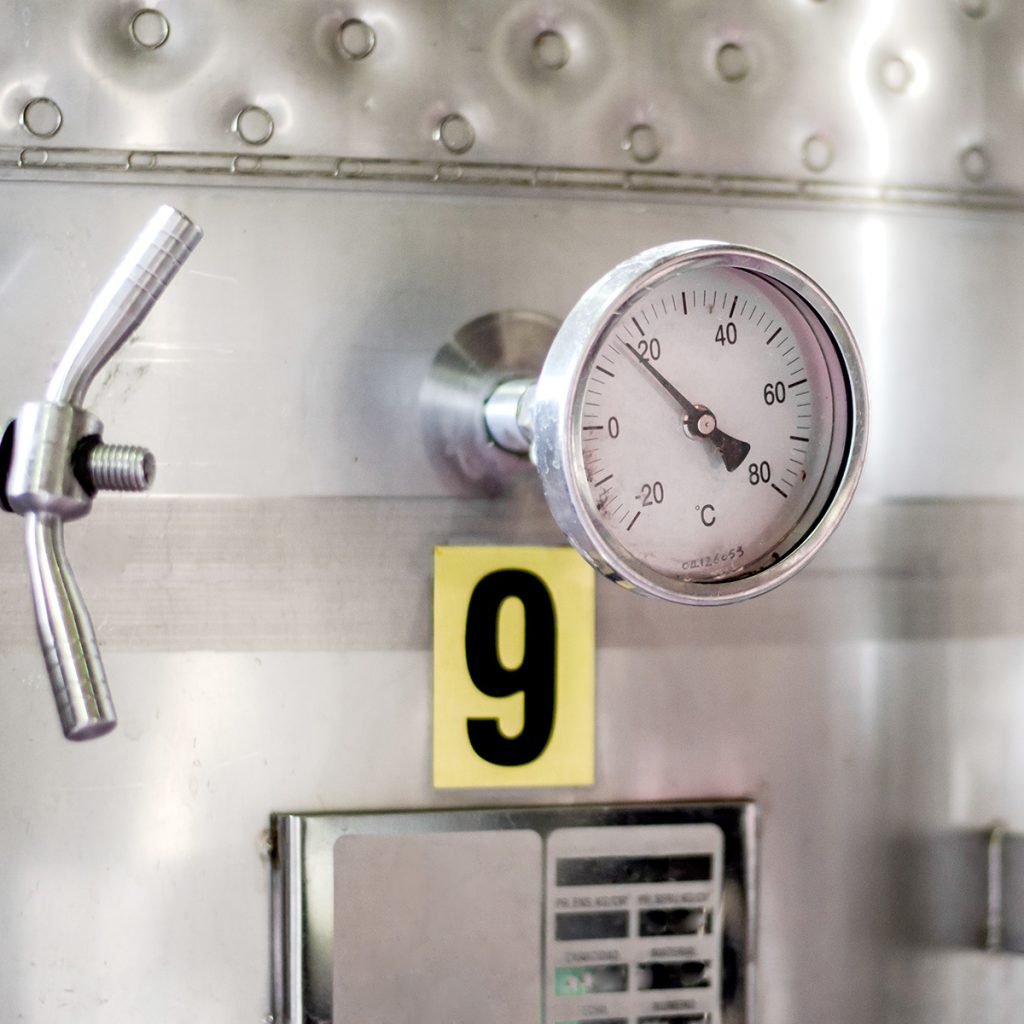
❌ 4. Unstable Temperature and Pressure Control
Aging equipment or poor maintenance can result in fluctuations in heat and pressure.
📉 Impact:
- ⚠️ Inconsistent pasteurization, leaving some products underprocessed
- 📉 Survivability of harmful microorganisms and uneven product quality
🌱 KEEEN’s Bio-Based Technology: The Solution to Equipment Challenges
✅ Replace Harsh Chemicals with Bio-Based Cleaners
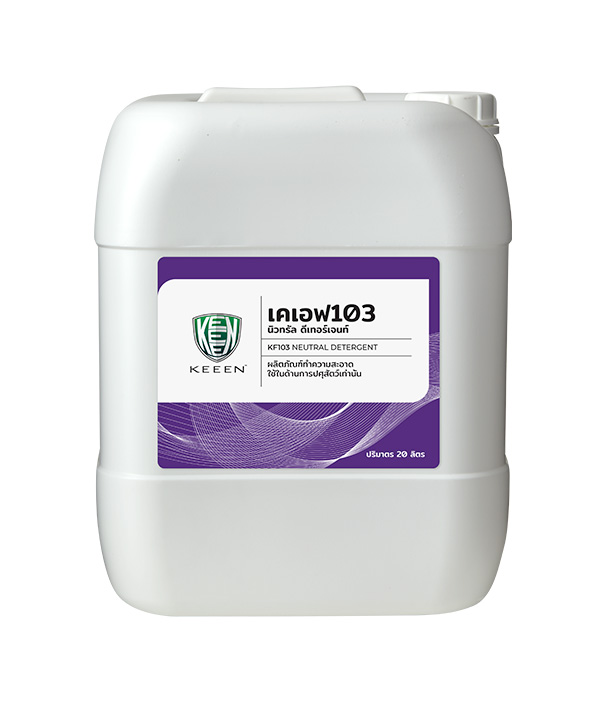
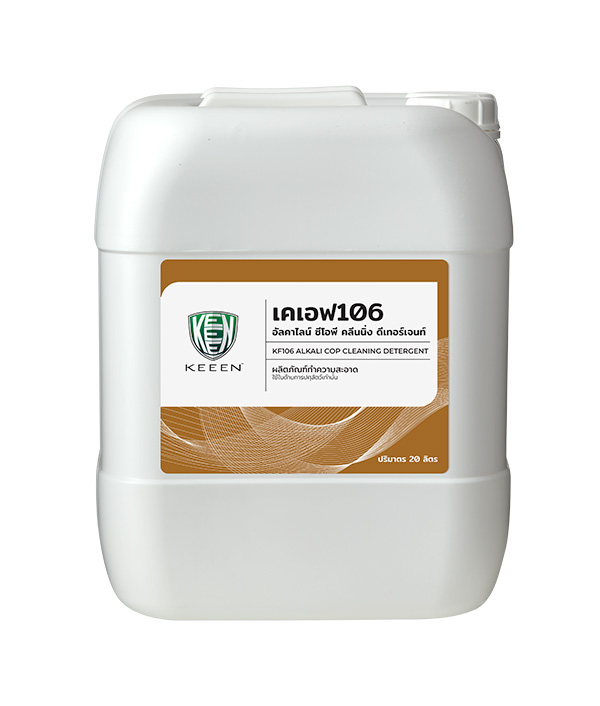
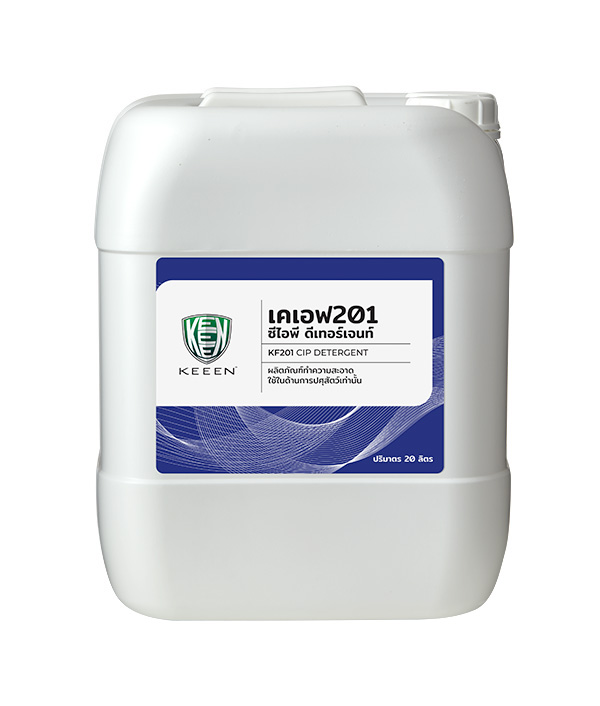
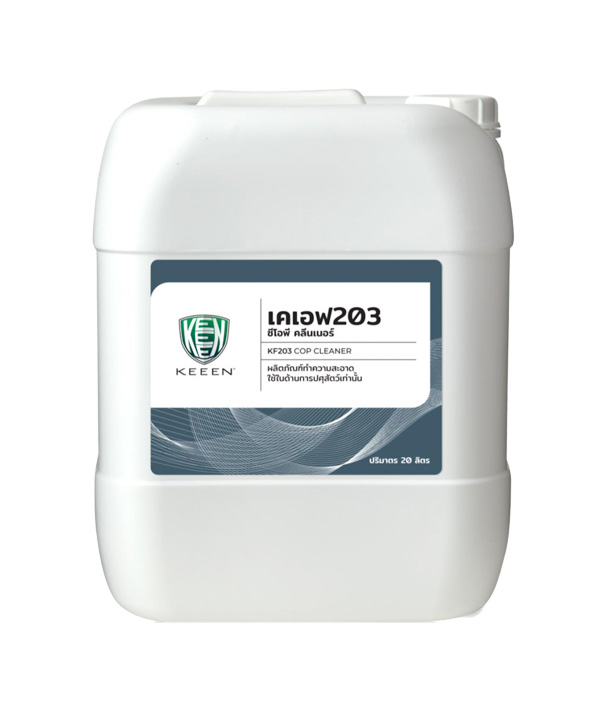
KEEEN Green Hygiene Solutions offer plant-derived, enzyme-enhanced Bio-Based products that:
🌿 Efficiently break down proteins, fats, and mineral scale
🌿 Protect metal surfaces by preventing corrosion
🌿 Low-foaming formulas make rinsing faster and save water in CIP systems
✅ Extend Equipment Lifespan with Non-Corrosive Cleaning
Unlike aggressive chemical cleaners, KEEEN’s formulations preserve the integrity of stainless steel, seals, and gaskets, reducing wear and prolonging the service life of your pasteurization system.
✅ Improve Food Safety Standards
KEEEN’s products are:
🎯 Food Contact Safe (NSF Certified) – suitable for direct food processing areas
🎯 Carbon Footprint Certified – contributing to your business’s sustainability goals
🎯 Designed to maintain hygienic conditions without leaving harmful residues
🌟 Why KEEEN’s Bio-Based Solutions Are Superior
🎯 Bio-Based Formula: Safer for workers and the environment
🎯 Non-Corrosive: Protects and extends the life of processing equipment
🎯 Sustainable Impact: Helps reduce greenhouse gas emissions from cleaning operations
🎯 Cost-Effective: Minimizes chemical and water usage in CIP systems
💡 The Bottom Line: Pasteurization Requires Care for Both Food and Equipment
While pasteurization is critical for food safety, failing to care for the systems and equipment behind it can lead to hidden costs and risks to product quality.
Switching to KEEEN Bio-Based Cleaning Solutions is a smarter choice for food businesses seeking safer, more sustainable, and cost-effective operations.
🔗 Interested in a Bio-Based Cleaning program for your food processing plant? Contact KEEEN at info@keeen.co.th