


Posted on November 13, 2025 by Keeen
Pests & Crawling Animals A Hygiene Warning Sign You Shouldn’t Ignore
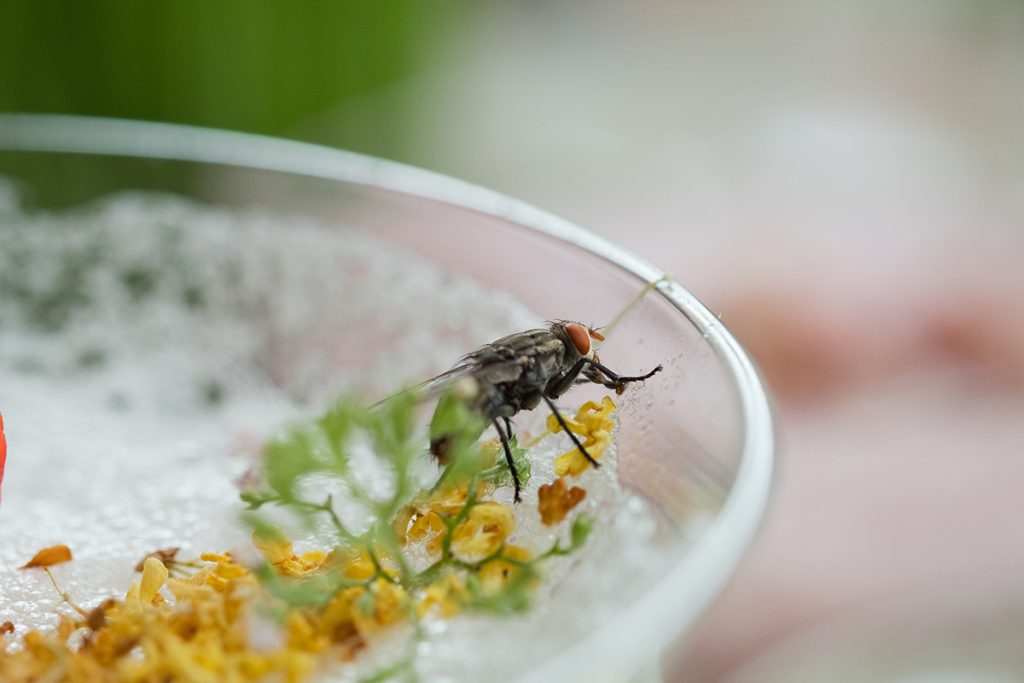
If you see cockroaches, ants, or flies in a kitchen, it may be more than a pest problem—it can be a warning sign that food residues, moisture, or hygiene gaps remain in the environment.
Pests Are Attracted for a Reason
Cockroaches, ants, flies, rodents, and other pests naturally search for food, water, moisture, and shelter. In a commercial kitchen, several conditions can attract them:
- Grease and food residues on floors, counters, and equipment
- Moisture or standing water, especially around drains and equipment
- Organic buildup and biofilms on inadequately cleaned surfaces
- Residual food odors, even when contamination is not visible
Pest activity should therefore be treated as a hygiene warning sign that requires investigation—not simply pest elimination.
What Can Different Pests Tell You?
🪳 Cockroaches
Cockroaches are commonly associated with areas containing food residues, grease, moisture, and shelter. Check floor joints, drains, cracks, and underneath kitchen equipment.
🐜 Ants
Ant trails can indicate accessible sugar, sauces, beverages, or other food residues. Their movement may help identify areas requiring closer inspection and cleaning.
🪰 Flies
Flies can be attracted to decomposing organic matter, food waste, drains, and wet areas. Frequent fly activity around food preparation zones should trigger an immediate hygiene inspection.
🦎 Geckos and other small animals
These animals often follow insects as a food source. Their presence may therefore indicate existing insect activity within or around the facility.
Why “Looks Clean” Is Not Enough
A kitchen may appear visually clean while still containing microscopic or difficult-to-see residues.
Routine wiping may not adequately remove:
- Biofilms or microbial buildup
- Thin grease films on surfaces
- Organic residues inside joints and floor gaps
- Moisture underneath cabinets and heavy equipment
This is why professional kitchen hygiene requires more than visual inspection. Cleaning must remove soils and organic matter, while sanitizing or disinfection—where required—provides an additional level of microbial control.
Break the Cycle with Systematic Surface Hygiene
Effective pest prevention should combine cleaning, sanitation, moisture control, waste management, structural maintenance, and professional pest management where necessary.
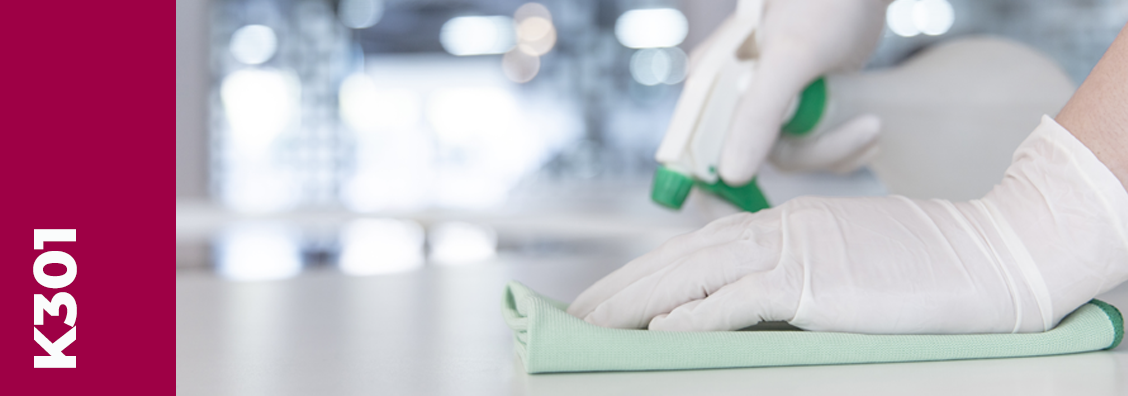
K301 — Multi-Hard Surface Cleaner & Disinfectant
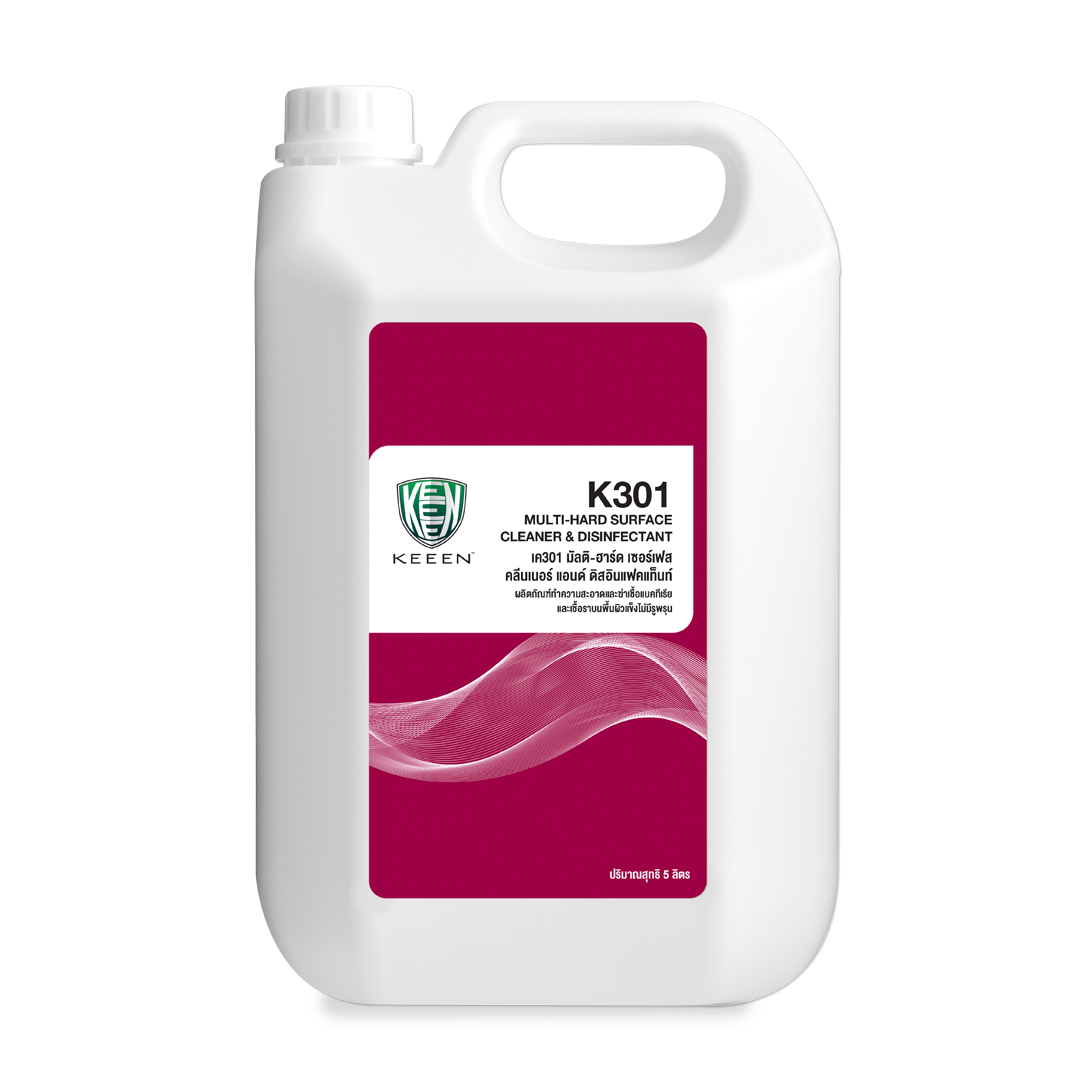
K301 combines cleaning and disinfection for applicable hard surfaces. Its formulation helps remove grease, protein residues, organic soils, and odor sources, while supporting microbial control.
Suitable for: Walls, counters, sinks, preparation areas, kitchen equipment, and applicable hard surfaces.
Hygiene role: Helps remove organic residues that may contribute to odors and conditions attractive to pests.
🔗 View K301 Product Information
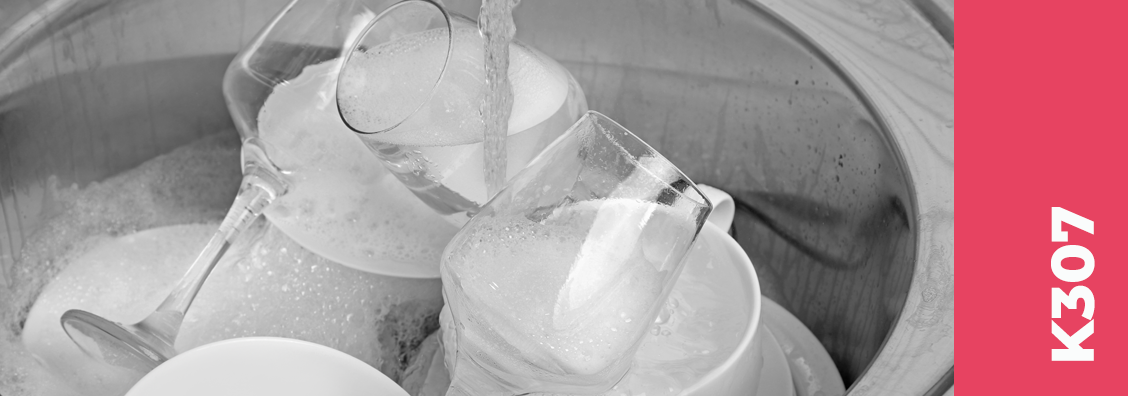
K307 — Quat Plus Sanitizer
K307 is a Quaternary Ammonium-based sanitizer designed for applicable food-contact equipment and surfaces, such as cutting boards, knives, utensils, tongs, and preparation tables.
Application: Dilute at 1:200 and apply according to the specified contact time and product instructions. Rinse as required before use.
Hygiene role: Sanitizing properly cleaned food-contact surfaces helps control microorganisms and maintain hygiene standards in food preparation areas.
🔗 View K307 Product Information
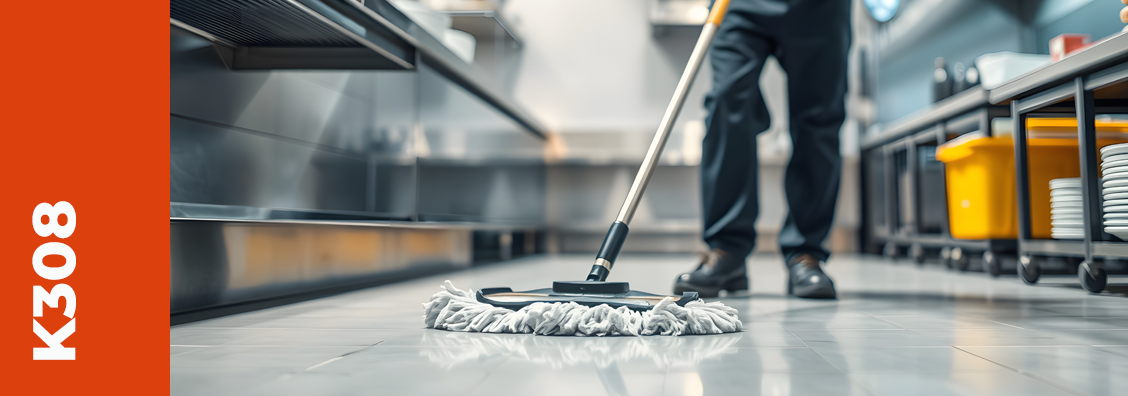
K308 — Floor & Hard Surface Cleaner with Sanitizer
K308 combines cleaning and sanitizing in one process for suitable floors and non-porous hard surfaces.
Application: Dilute at 1:60, apply thoroughly, allow the recommended contact time, then rinse and dry according to product instructions.
Hygiene role: Helps remove grease, organic residues, and microbial contamination from floors—particularly around corners, equipment, and other difficult-to-clean areas.
🔗 View K308 Product Information
Daily Hygiene Routine
After kitchen operations:
- Use K301 on appropriate counters, walls, and kitchen surfaces.
- Clean floors with K308, paying particular attention to corners, joints, and underneath equipment.
- Use K307 for applicable cutting boards, utensils, and food-contact surfaces.
Weekly Deep Cleaning:
Move movable equipment to clean underneath, inspect corners and drains, remove accumulated grease and organic matter, and thoroughly clean frequently overlooked surfaces.
Immediate Warning Signs Take corrective action when you notice:
- Cockroaches, ants, or increased pest activity
- Persistent grease or food residues
- Unpleasant or stale food odors
- Standing water or continuously damp areas
Why KEEEN?
KEEEN provides professional hygiene solutions designed to combine effective cleaning, microbial control, operational efficiency, and environmental responsibility.
Rather than treating individual surfaces separately, KEEEN supports a systematic hygiene approach covering food-contact surfaces, preparation areas, equipment, floors, and hard surfaces throughout the kitchen.

When Pests Appear, Investigate the Root Cause
Pest activity should not be treated as a cleaning issue alone. It can indicate a combination of food availability, moisture, sanitation gaps, structural entry points, or inadequate pest controls.
The most effective approach is to remove the conditions that allow pests to survive: food residues, grease, moisture, waste, and accessible shelter.
With K301 + K307 + K308, KEEEN provides a structured surface hygiene solution—from preparation counters and utensils to floors and hard surfaces—helping professional kitchens strengthen Food Safety, hygiene control, and pest-prevention programs.
KEEEN | Bio-Organic Innovation for Professional Hygiene