


Posted on September 18, 2026 by Keeen
When Facing Hydrogen Sulfide (H₂S) from a Closed Wastewater Treatment System
Worker safety must come before system recovery
In many organizations—especially food processing plants, large commercial buildings, and shopping malls—
hydrogen sulfide (H₂S), commonly known as rotten egg gas, is often discussed in terms of odor complaints or wastewater treatment performance.
In reality, however, the group most directly affected is the operators—the people who work near treatment tanks, utility rooms, and enclosed system areas on a daily basis.
This article does not revisit the causes of H₂S formation or system design failures.
Instead, it focuses on a more critical question:
What should operators do when they encounter H₂S, and how severe can the risks become—especially in closed, indoor wastewater treatment systems?
A smell that should never be considered “normal”
Hydrogen sulfide is a toxic gas with a particularly deceptive characteristic.
At low concentrations, it produces a strong and recognizable rotten egg odor.
As concentrations increase, however, H₂S rapidly paralyzes the sense of smell.
The result is dangerous:
operators may stop smelling the gas entirely, while the risk is actually increasing.
This is why relying on smell as a detection method is one of the most hazardous misconceptions in wastewater operations.
From an occupational health perspective, H₂S does far more than cause eye irritation or dizziness.
It interferes with cellular respiration, can cause sudden loss of consciousness, and—at sufficiently high concentrations—can be fatal within minutes.

What operators should do immediately when H₂S is detected
The first priority is not identifying the system failure.
The first priority is self-protection.
When an operator detects a rotten egg odor, work should stop immediately, and the operator should withdraw to an area with adequate ventilation.
Continuing work “just to check quickly” or “because the task is almost finished” represents a high-risk behavior that has contributed to many serious accidents.
The next step is to notify supervisors or the safety team and restrict access to the area so others do not enter unknowingly.
Critically, operators should not open tank covers, attempt to restart equipment, or operate electrical devices in the affected area.
In many real incidents, severe outcomes were caused not by the gas alone, but by human behavior—curiosity, urgency, or the desire to fix the problem quickly.
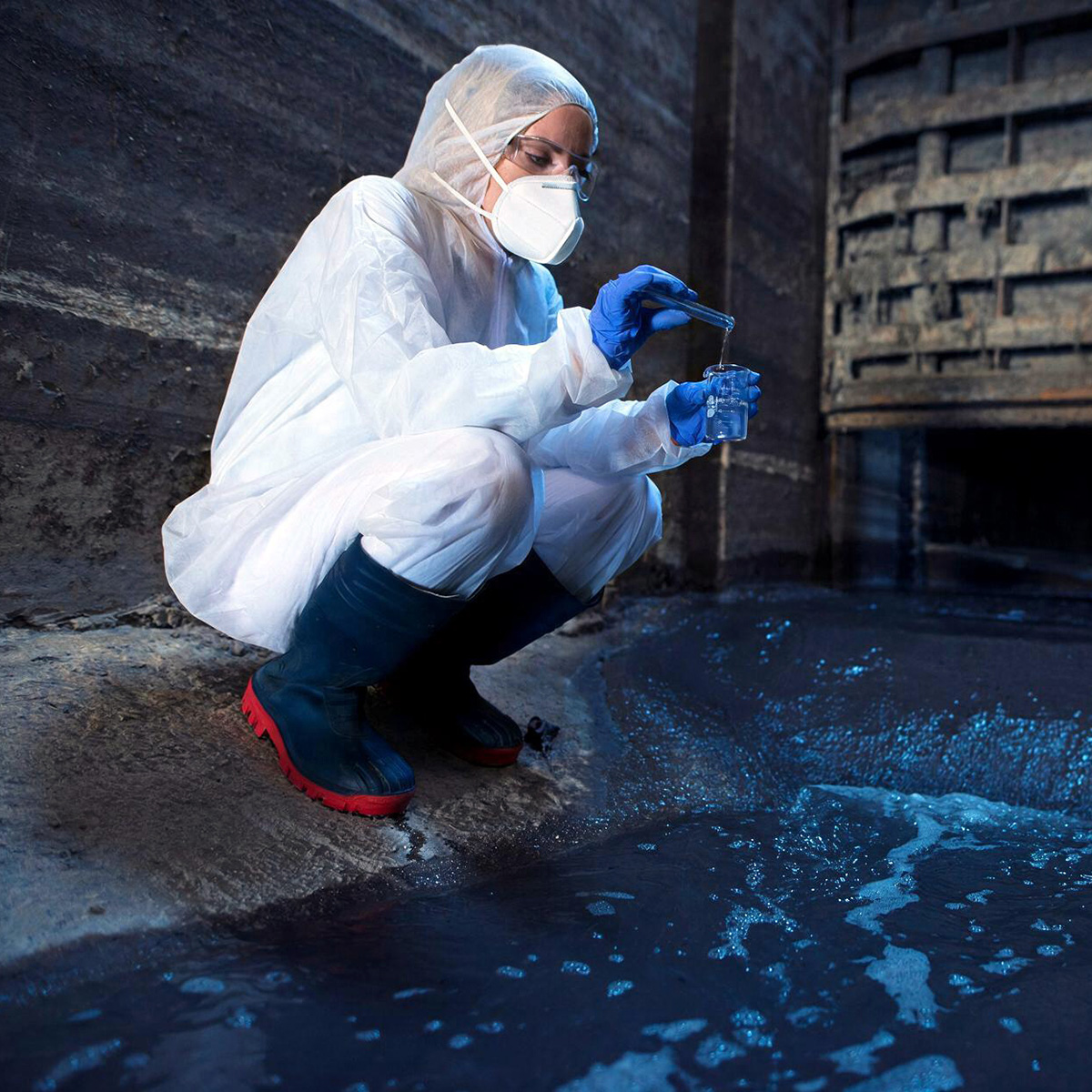
Personal protection is more than wearing a mask
For personnel who work directly with wastewater treatment systems, a personal gas detector is not optional equipment—it is a basic safety requirement.
At minimum, it should be capable of measuring H₂S concentration and oxygen levels.
When working near a potentially contaminated area, standard air-filtering masks are often insufficient.
At elevated gas concentrations, self-contained breathing apparatus (SCBA) is required, as it is specifically designed for life-threatening environments.
One key message that must be clearly communicated to operators is this:
PPE is not meant to help you “endure” the hazard.
It exists to help you exit the area safely.
Increased severity when wastewater systems are located indoors
Indoor or enclosed wastewater treatment systems significantly increase overall risk.
In addition to H₂S accumulation, these environments may also contain other gases such as methane or organic vapors, particularly when the system is failing.
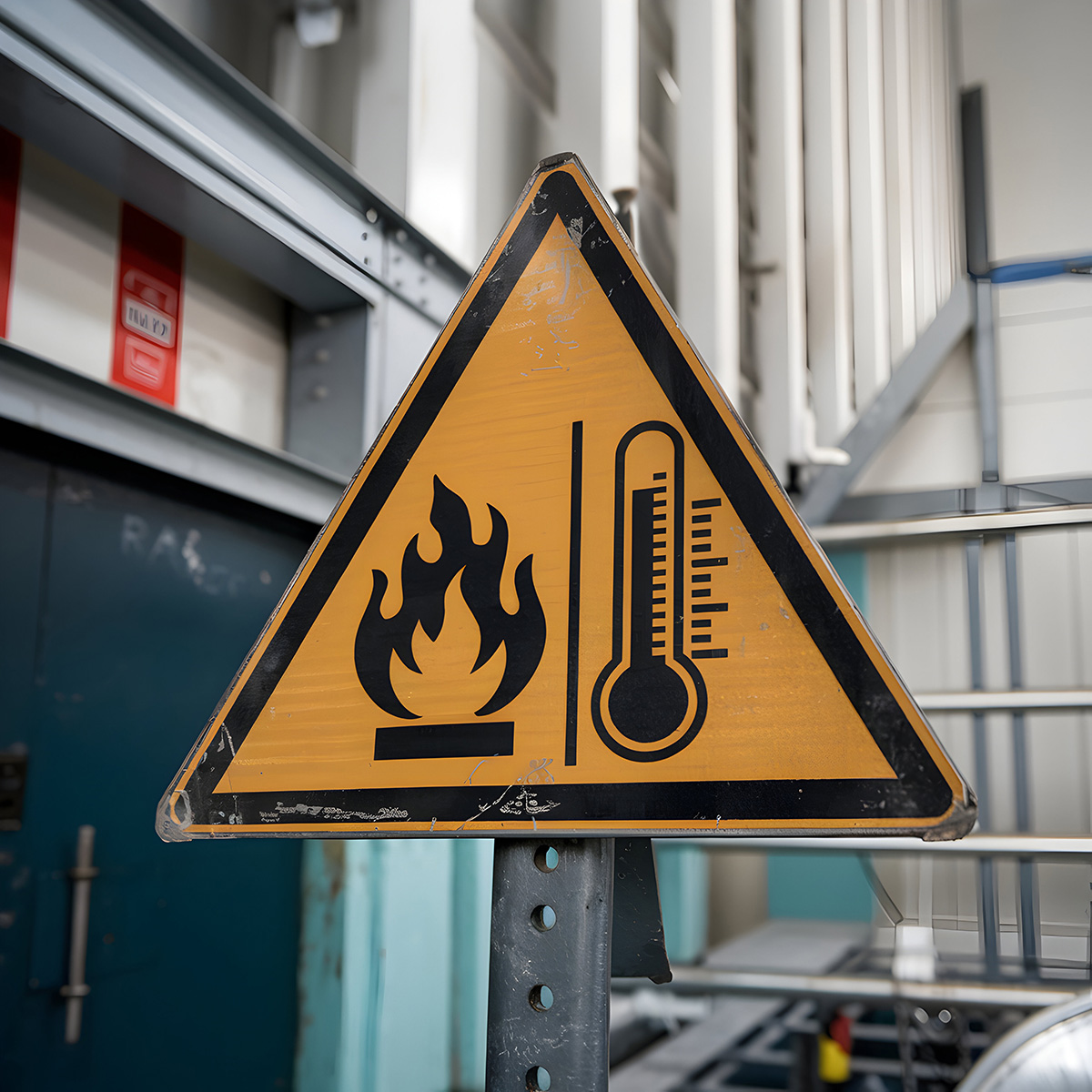
When flammable gases accumulate in confined spaces, even a small ignition source can trigger a serious incident.
Light switches, motors, pumps, electrical equipment, or even static electricity generated by body movement can become sources of ignition.
For this reason, closed wastewater treatment areas should not be treated as simple technical rooms.
They must be managed with the same rigor as confined spaces and potentially explosive atmospheres.
The organization’s role in protecting operators
Operator safety should never depend solely on individual experience or intuition.
Organizations must establish clear procedures for responding to abnormal odors or gas readings and train employees to recognize when to retreat, not just when to repair.
Installing fixed gas detection systems in enclosed treatment areas, using equipment suitable for hazardous environments, and integrating wastewater operations with safety and facility management teams are all essential preventive measures.
These actions are far more effective—and far less costly—than responding after an accident has occurred.
Hydrogen sulfide is not merely an indicator that a wastewater treatment system is malfunctioning.
It is a direct warning of immediate danger to human life.
When operators encounter this situation, the priority is not restoring the system as quickly as possible.
The priority is to stop, withdraw, and protect—before irreversible loss occurs.
Wastewater systems can be rehabilitated when root causes are addressed, supported by routine monitoring of parameters such as BOD and COD, and by using high-quality microbial products to maintain biological stability.
What should never be treated as a cost of problem-solving is the safety of the operators themselves.
Engaging qualified experts to address the issue systematically helps prevent hidden costs, secondary damage, and potentially severe consequences that far outweigh the effort of doing it right from the start.