


โพสต์ลง 31 กรกฎาคม 2569 โดย คีนน์
มาตรฐานโรงงานแปรรูปพริกแห้ง ปลอดเชื้อราและมั่นใจต่อผู้บริโภค
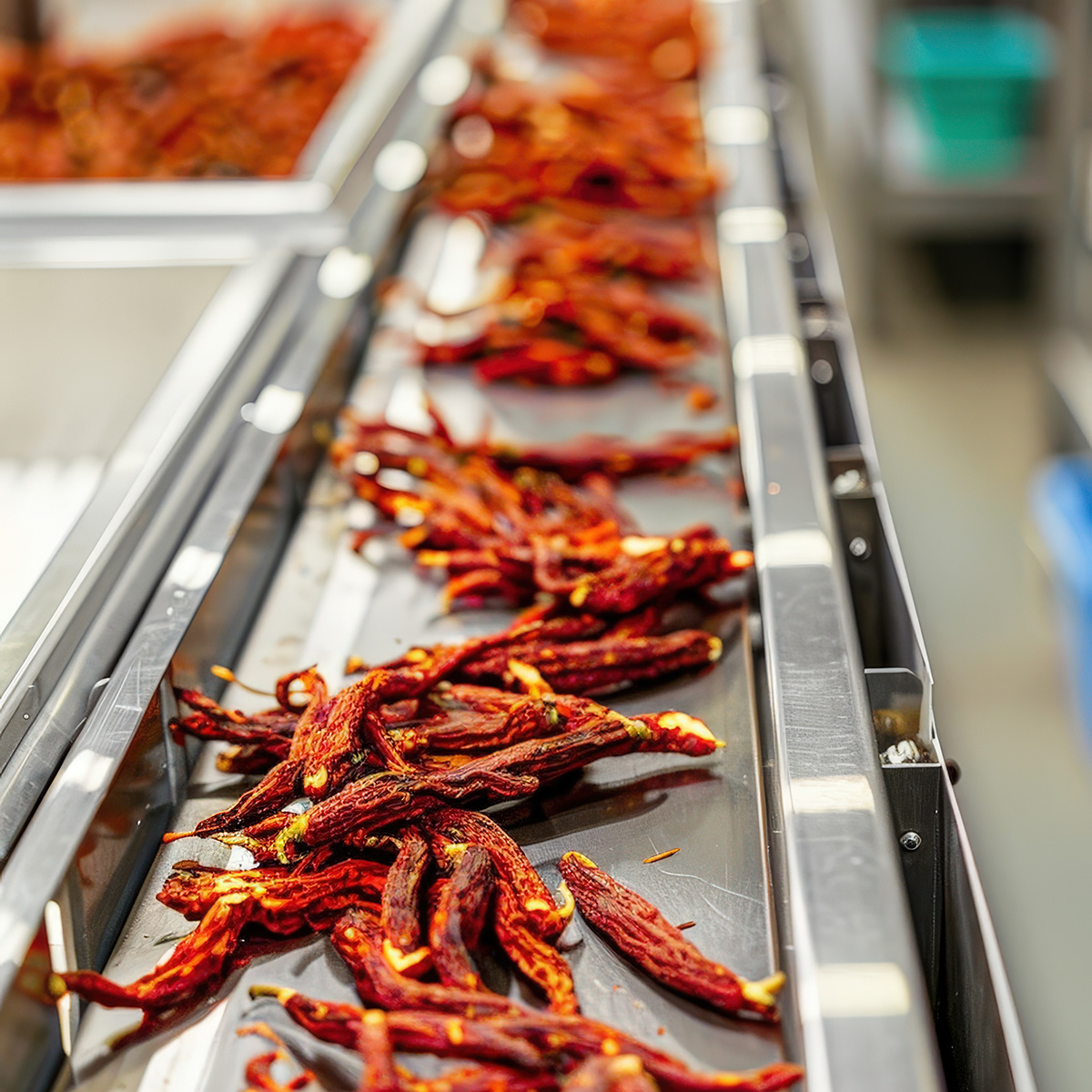
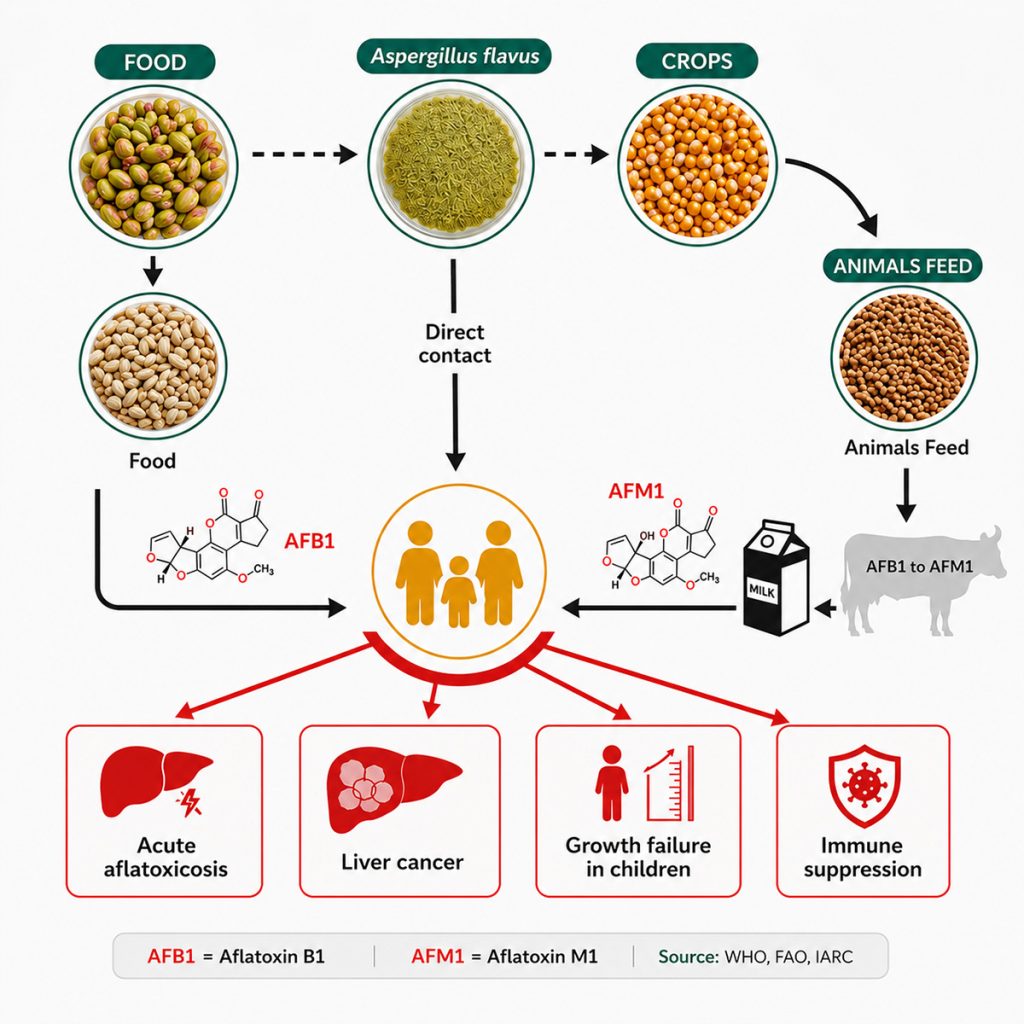
พริกแห้งเป็นวัตถุดิบที่อยู่คู่กับอุตสาหกรรมอาหารมาอย่างยาวนาน แต่ในเชิงความปลอดภัยอาหาร พริกแห้งกลับเป็นหนึ่งในวัตถุดิบที่ผู้เชี่ยวชาญให้ความสำคัญเป็นพิเศษ เนื่องจากมีความเสี่ยงสูงต่อการปนเปื้อนเชื้อรา โดยเฉพาะเชื้อราในกลุ่มที่สามารถสร้าง “อะฟลาทอกซิน” ซึ่งเป็นสารพิษที่ไม่ถูกทำลายด้วยความร้อนจากการปรุงอาหาร และมีผลกระทบต่อสุขภาพในระยะยาว หากเข้าสู่ร่างกายในปริมาณสะสม
คำถามสำคัญสำหรับโรงงานแปรรูปพริกแห้งจึงไม่ใช่เพียง “ทำอย่างไรให้พริกดูสะอาด” แต่คือ “ต้องปลอดภัยในระดับใดจึงเพียงพอสำหรับผู้บริโภค” และ “ความปลอดภัยนั้นสามารถพิสูจน์และควบคุมได้จริงหรือไม่”
ความปลอดภัยของพริกแห้ง ไม่ใช่เรื่องปลายทาง แต่เริ่มตั้งแต่ต้นน้ำ
ในทางปฏิบัติ เชื้อราไม่ได้เกิดขึ้นเฉพาะในโรงงาน แต่เริ่มสะสมตั้งแต่ช่วงหลังการเก็บเกี่ยว การตาก การขนส่ง และการเก็บรักษาวัตถุดิบ หากพริกสดหรือพริกแห้งเคยผ่านสภาวะความชื้นสูง แม้ในระยะเวลาสั้น สปอร์เชื้อราสามารถคงอยู่และพร้อมเจริญเติบโตได้ทันทีเมื่อมีสภาพแวดล้อมเหมาะสม
ดังนั้น โรงงานที่ต้องการควบคุมความเสี่ยงอย่างจริงจัง จะไม่มองวัตถุดิบเป็นเพียง “ของที่รับมาแล้วจัดการต่อ” แต่จะให้ความสำคัญกับการคัดเลือกแหล่งที่มา การกำหนดเกณฑ์การรับวัตถุดิบ และการปฏิเสธวัตถุดิบที่มีความเสี่ยงตั้งแต่แรก เพราะการคัดทิ้งในจุดเริ่มต้น มีประสิทธิภาพมากกว่าการพยายามแก้ไขเมื่อเชื้อราเริ่มเกิดขึ้นแล้ว
มาตรฐานโรงงานแปรรูปพริกแห้ง ต้องควบคุมอะไรบ้างในเชิงระบบ
โรงงานแปรรูปพริกแห้งที่มีความพร้อมด้าน Food Safety จะต้องมีระบบสุขลักษณะและการผลิตที่ดีเป็นพื้นฐาน ไม่ว่าจะเป็นความสะอาดของอาคาร พื้น ผนัง อุปกรณ์ การระบายอากาศ และสุขอนามัยของพนักงาน แต่สำหรับพริกแห้ง สิ่งที่ต้องให้ความสำคัญเป็นพิเศษ คือ “การควบคุมความชื้นและฝุ่น”
ฝุ่นในโรงงานแปรรูปเครื่องเทศไม่ใช่เพียงสิ่งสกปรกทั่วไป แต่เป็นพาหะสำคัญของสปอร์เชื้อรา หากพื้นที่ผลิตมีฝุ่นสะสม ระบบระบายอากาศไม่เหมาะสม หรือมีความชื้นแฝงอยู่ในอากาศ เชื้อราสามารถแพร่กระจายและปนเปื้อนได้ง่าย แม้ตัวผลิตภัณฑ์จะผ่านการทำให้แห้งแล้วก็ตาม
ในระดับที่สูงขึ้น โรงงานจำเป็นต้องมีการวิเคราะห์อันตรายที่เจาะจงกับพริกแห้ง โดยมองเชื้อราและอะฟลาทอกซินเป็นอันตรายหลัก การวิเคราะห์นี้จะทำให้โรงงานเข้าใจว่า ขั้นตอนไหนคือจุดเสี่ยงจริง และขั้นตอนไหนต้องถูกควบคุมอย่างเข้มงวดเป็นพิเศษ ไม่ว่าจะเป็นช่วงรับวัตถุดิบ การทำให้แห้ง หรือการเก็บรักษาระหว่างกระบวนการผลิต
-
BLOG2026-19_Standards-for-Dried-Chili-Processing-Plants-1
-
BLOG2026-19_Standards-for-Dried-Chili-Processing-Plants-2
การทำให้แห้ง คือหัวใจของการป้องกันเชื้อรา
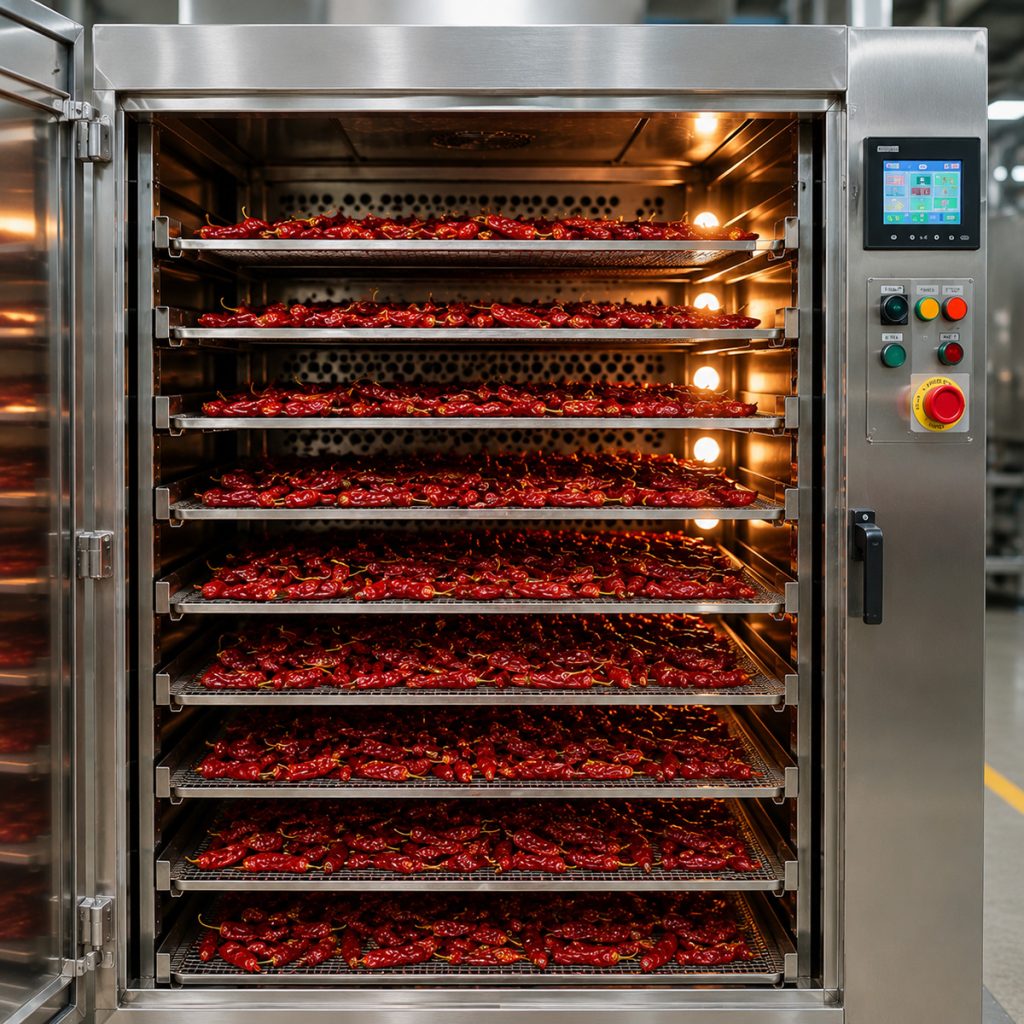
แม้พริกแห้งจะดูเหมือนเป็นวัตถุดิบที่ “แห้งอยู่แล้ว” แต่ในเชิงเทคนิค ความแห้งต้องถูกนิยามด้วยค่าความชื้นที่วัดได้ ไม่ใช่การประเมินด้วยสายตาหรือสัมผัส การทำให้แห้งที่ไม่สม่ำเสมอ หรือการอบที่ควบคุมอุณหภูมิและเวลาไม่ได้ อาจทำให้บางส่วนของพริกยังมีความชื้นหลงเหลือ ซึ่งเพียงพอให้เชื้อราเจริญเติบโตได้ในระยะต่อมา
โรงงานที่มีมาตรฐานสูงจึงต้องควบคุมกระบวนการทำให้แห้งอย่างเป็นระบบ มีการกำหนดช่วงอุณหภูมิและเวลาที่เหมาะสม ตรวจวัดความชื้นของผลิตภัณฑ์จริง และบันทึกข้อมูลไว้เป็นหลักฐาน ไม่ใช่เพียงเพื่อการผลิต แต่เพื่อการตรวจสอบย้อนกลับและการยืนยันความปลอดภัยต่อคู่ค้าและผู้บริโภค
การล้างและการจัดการน้ำ ต้องไม่สร้างความเสี่ยงใหม่
ในบางกระบวนการ พริกแห้งอาจผ่านการล้างหรือการลดฝุ่นก่อนการแปรรูป การล้างในโรงงานจึงต้องถูกออกแบบอย่างระมัดระวัง ใช้น้ำที่ได้มาตรฐานน้ำบริโภค หลีกเลี่ยงการแช่น้ำนาน และต้องมีขั้นตอนทำให้แห้งทันทีหลังการล้าง หากการล้างถูกใช้โดยไม่มีระบบควบคุม อาจกลายเป็นการเพิ่มความชื้นให้ผลิตภัณฑ์ และสร้างความเสี่ยงเชื้อราแทนที่จะลดความเสี่ยง
-
BLOG2026-19_Standards-for-Dried-Chili-Processing-Plants-3
-
BLOG2026-19_Standards-for-Dried-Chili-Processing-Plants-4
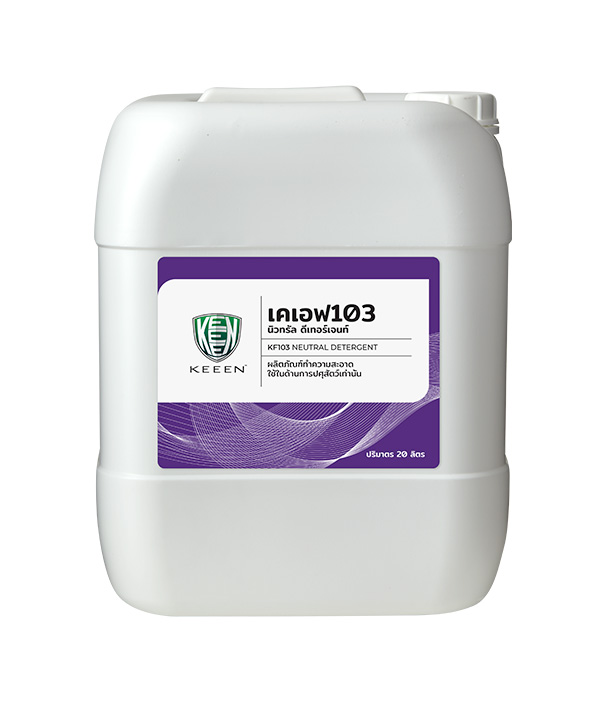
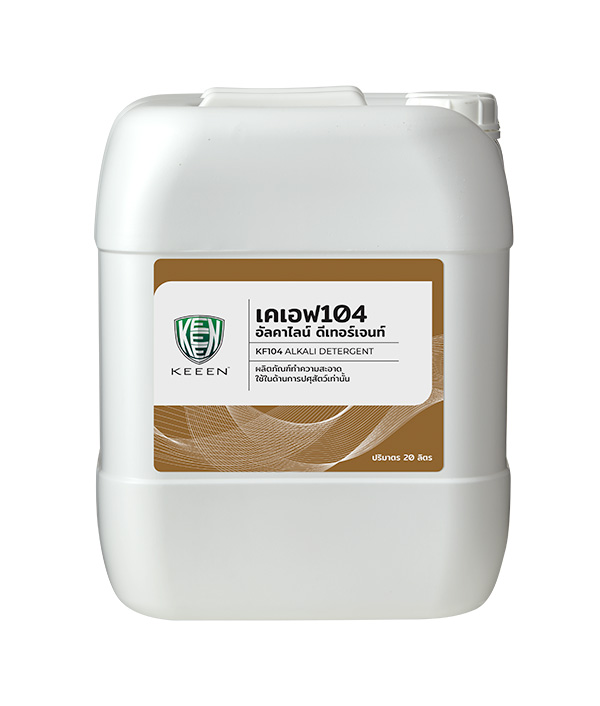
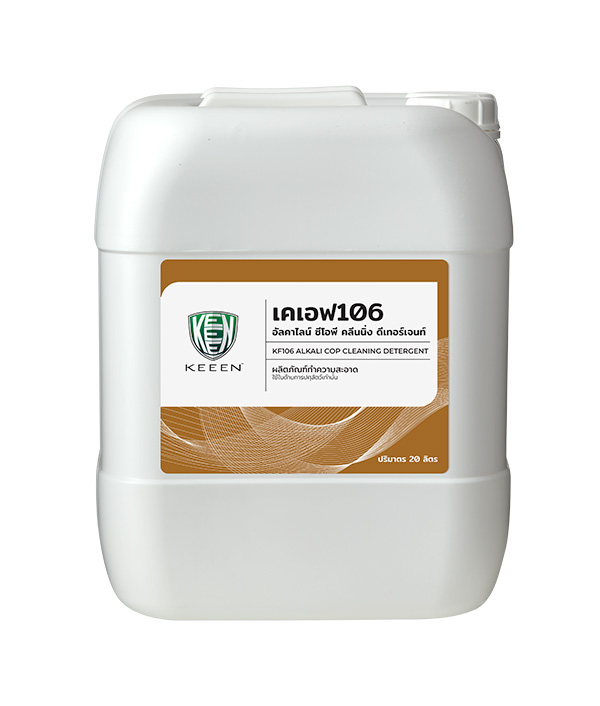
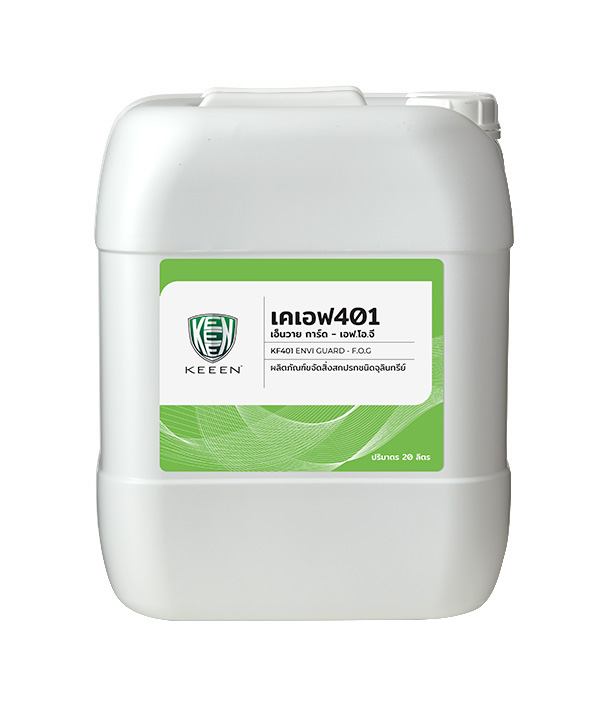
นอกจากนี้ การเลือกใช้สารช่วยล้างหรือสารทำความสะอาด ต้องคำนึงถึงความปลอดภัยต่ออาหาร เป็นมาตรฐานตรงกันกับโรงงานอาหารโดยตรง ปลอดภัยต่อผู้ปฏิบัติงาน และระบบน้ำเสียของโรงงาน เพื่อไม่ให้เกิดสารตกค้างหรือผลกระทบต่อสิ่งแวดล้อมในระยะยาว
การเก็บรักษาและโลจิสติกส์ คือด่านสุดท้ายที่ห้ามมองข้าม
แม้กระบวนการผลิตจะควบคุมได้ดีเพียงใด หากการจัดเก็บและขนส่งไม่เหมาะสม ความเสี่ยงเชื้อราสามารถกลับมาได้อีก พื้นที่จัดเก็บพริกแห้งต้องควบคุมความชื้นอย่างสม่ำเสมอ บรรจุภัณฑ์ต้องป้องกันความชื้นและอากาศ และระบบการจัดการสินค้าในคลังต้องสามารถติดตามย้อนกลับได้เป็นราย lot เพื่อรองรับการเรียกคืนสินค้า หากเกิดเหตุผิดปกติ
มาตรฐานความปลอดภัยของพริกแห้ง ที่เพียงพอสำหรับผู้บริโภค
ในมุมของอุตสาหกรรมอาหาร คำว่าเพียงพอ ไม่ได้หมายถึงแค่ “ผ่านการตรวจครั้งเดียว” แต่หมายถึงระบบที่สามารถควบคุมความเสี่ยงได้อย่างต่อเนื่อง ลดโอกาสการเกิดปัญหาในระยะยาว และไม่ผลักภาระความเสี่ยงไปให้ผู้บริโภคปลายทาง
โรงงานแปรรูปพริกแห้งที่มีมาตรฐานสูง จะสามารถอธิบายได้อย่างชัดเจนว่า พริกของตนปลอดภัยอย่างไร ควบคุมความเสี่ยงจุดใด และมีข้อมูลใดรองรับ ไม่ใช่เพียงเพื่อการตรวจประเมิน แต่เพื่อสร้างความเชื่อมั่นให้กับตลาดและผู้บริโภคอย่างแท้จริง
การทำให้พริกแห้งปลอดจากเชื้อรา ไม่ใช่เรื่องของขั้นตอนใดขั้นตอนหนึ่ง แต่เป็นผลลัพธ์ของการออกแบบระบบการผลิตทั้งหมด ตั้งแต่วัตถุดิบ กระบวนการทำให้แห้ง สุขลักษณะโรงงาน การจัดการน้ำ ไปจนถึงการเก็บรักษาและขนส่ง
มาตรฐานความปลอดภัยที่ดี ไม่เพียงปกป้องผู้บริโภค แต่ยังช่วยยกระดับความน่าเชื่อถือของโรงงาน ลดความเสี่ยงทางกฎหมาย และสร้างความยั่งยืนให้กับอุตสาหกรรมอาหารในระยะยาว
ขอคำปรึกษาเพื่อการวางระบบอย่างถูกต้อง ได้มาตรฐานความปลอดภัย ด้วยการวางระบบ KEEEN Cleaning Program เพื่อให้การจัดการถูกต้องเสียแต่วันนี้ ส่งต่อการผลิตอาหารปลอดภัยกว่าสู่ผู้บริโภค