

Posted on February 6, 2026 by Keeen
Extending the Shelf Life of Fruits & Vegetables reducing Waste to Lower Costs – Improve Efficiency
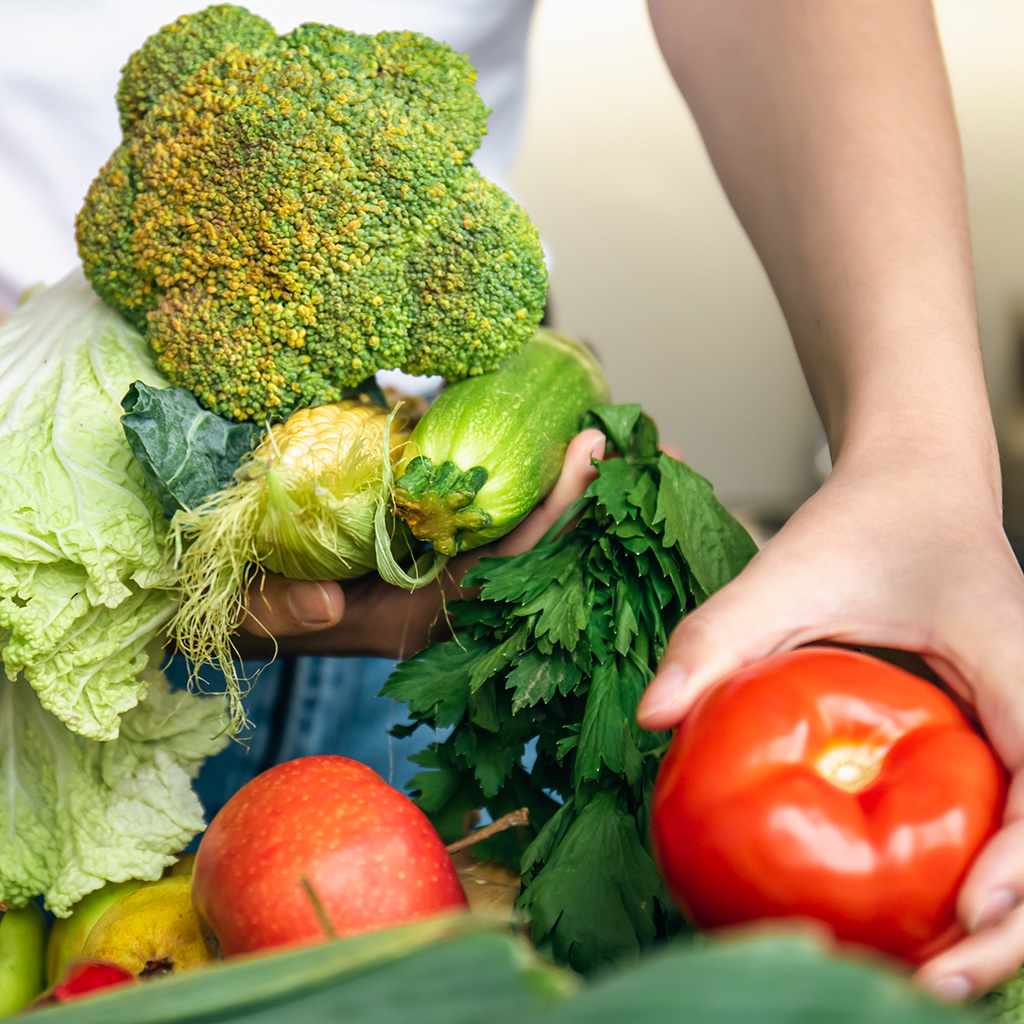
In the restaurant business, controlling the cost of raw materials, especially fruits and vegetables, is one of the major challenges. Fruits and vegetables are fragile and have a limited shelf life, which leads to high losses due to spoilage or deterioration. This results in increased raw material costs and additional waste management expenses that are inevitable for restaurants.
Economic Impact of Spoiled Fruits and Vegetables Waste
Loss of Raw Material Value
A survey of medium-sized restaurants found that the average loss of fruits and vegetables ranges from 10-20% of the total raw material value. The majority of spoilage is caused by:
- Improper storage conditions
- Inefficient stock management
- Delays in using raw materials in the production process
Example calculation:
A restaurant has a monthly fruit and vegetable budget of 100,000 THB
- With a 15% loss, the spoilage cost is 15,000 THB per month
- Reducing the loss to 10% lowers the loss by 5,000 THB per month, or 60,000 THB annually
Waste Management Costs for Organic Waste
The discarded fruits and vegetables not only represent lost raw materials but also incur additional costs such as:
- Waste transportation fees
- Organic waste disposal and treatment fees
- Labor costs for waste handling and segregation
These costs average about 15-25% of the organic waste value.
From the previous example:
If the waste value is 15,000 THB, the waste management cost is approximately 3,000 THB (20%).
If waste is reduced to 10,000 THB, waste management costs drop to 2,000 THB, saving 1,000 THB monthly.
Factors Affecting the Shelf Life of Fruits & Vegetables
Temperature and Humidity
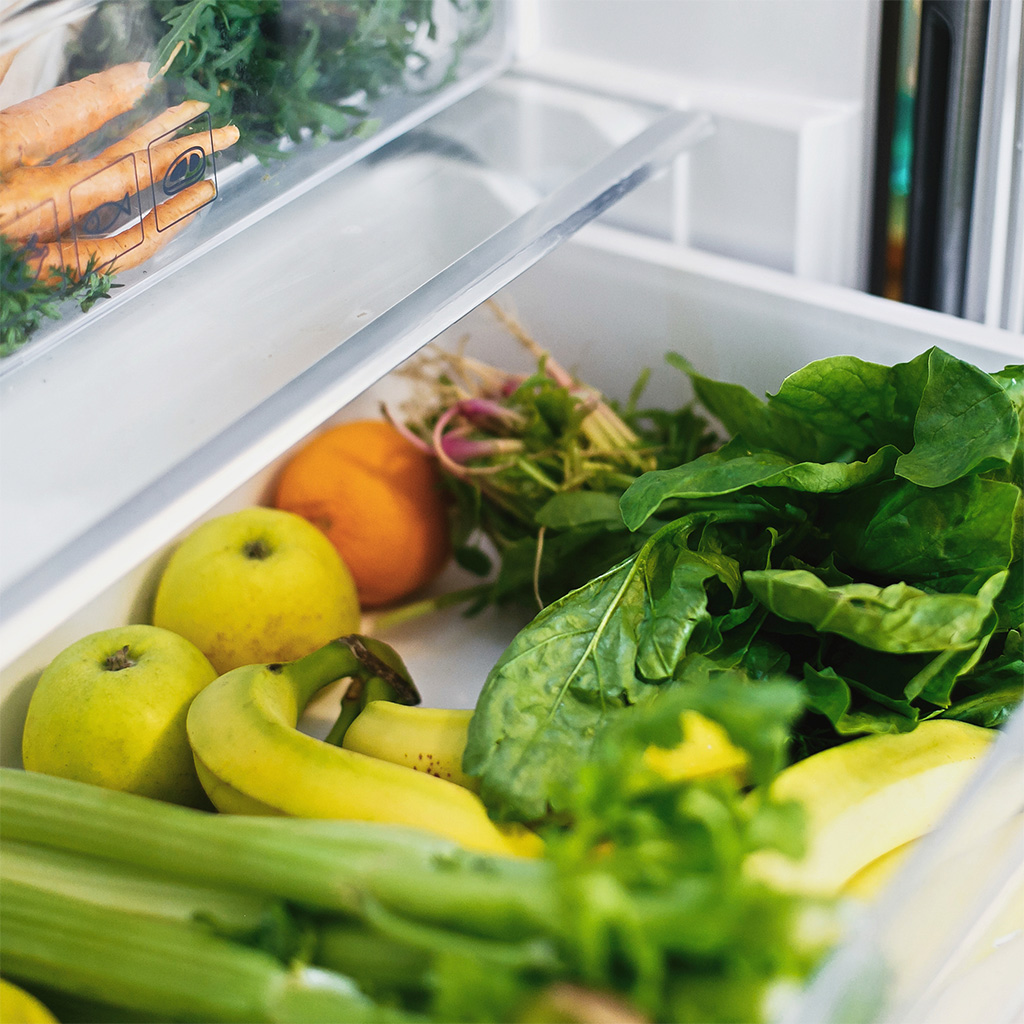
Fruits and vegetables are sensitive to extreme temperatures. Suitable storage temperatures vary by type, for example:
- Leafy greens like lettuce should be stored at 0-4°C with high relative humidity (90-95%)
- Some fruits such as mangoes or bananas should be stored at 13-15°C to avoid chilling injury
Improper temperature and humidity accelerate spoilage.
Ethylene Gas
Certain fruits and vegetables emit ethylene gas, a plant hormone that promotes ripening and deterioration. Storing ethylene-producing and ethylene-sensitive produce together shortens shelf life significantly.
Microbial Contamination
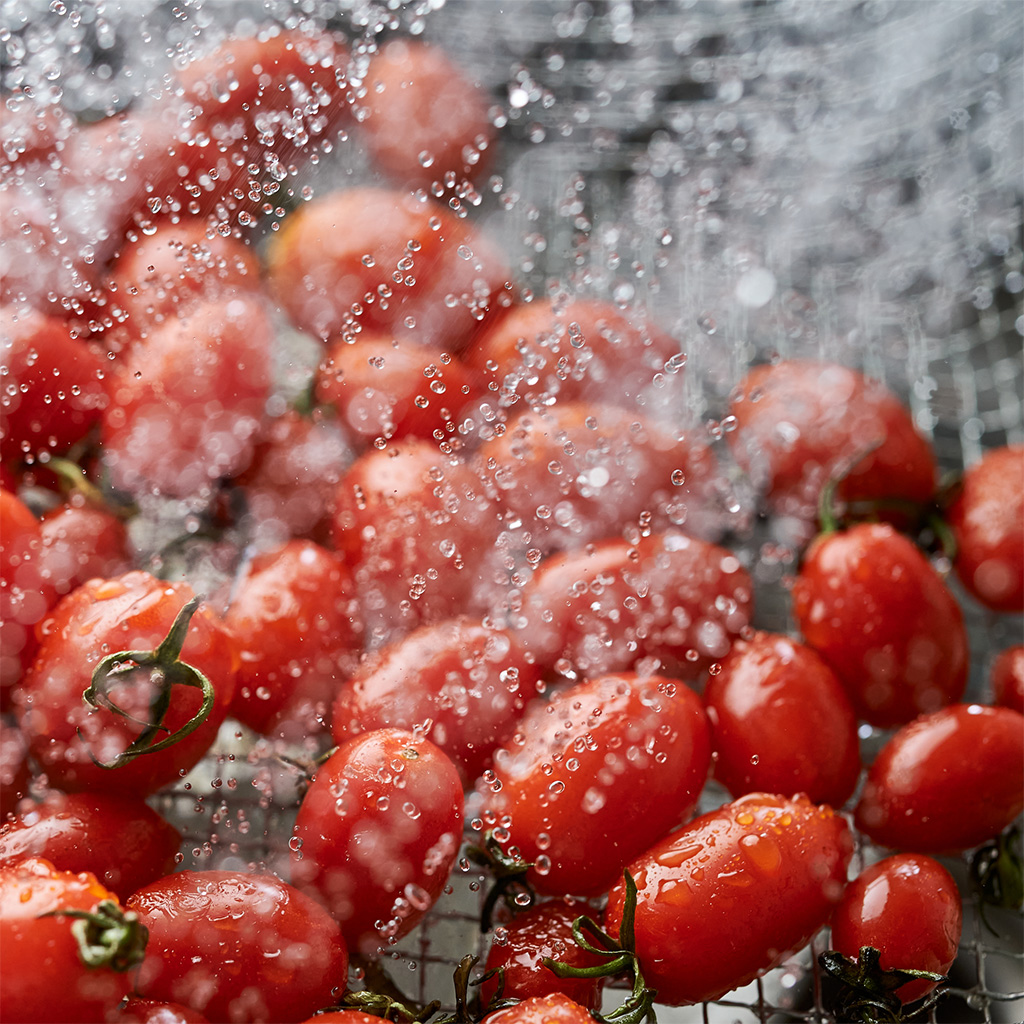
Fungi and bacteria are key contributors to spoilage. High humidity and contamination from surfaces or equipment promote rapid microbial growth.
Practices and Technologies to Extend Shelf Life and Reduce Waste
- Controlled Storage Environment
- Regulate temperature and humidity according to produce type
- Separate produce by ethylene production and sensitivity
- Use packaging that controls air and moisture, such as Modified Atmosphere Packaging (MAP)
- Biological and Innovative Products
- Use advanced innovations like superoxide ion particles, a combination of hydrogen peroxide and acetic acid, certified as Food Grade, to maintain freshness
- Use natural antimicrobial extracts such as mangosteen peel or herbal extracts
- Efficient Stock Management
- Implement FIFO (First In, First Out) in all stages
- Plan procurement and usage based on actual demand
- Conduct regular quality inspections of raw materials
- Value-Added Processing to Minimize Loss
- Process near-expiry produce by boiling, blanching, chopping, or making sauces to extend usability
- Repurpose leftover ingredients in other menu items to reduce direct waste
-
BLOG2026-03_Extending-the-Shelf-02
-
BLOG2026-03_Extending-the-Shelf-03
-
BLOG2026-03_Extending-the-Shelf-04
-

BLOG2026-03_Extending-the-Shelf-05
Economic Benefits Example from Implementation
| Item | Before Implementation | After Implementation | Cost Savings |
|---|---|---|---|
| Produce Loss Rate | 15% (15,000 THB) | 10% (10,000 THB) | 5,000 THB |
| Organic Waste Management | 3,000 THB | 2,000 THB | 1,000 THB |
| Total Cost Reduction | – | – | 6,000 THB/month |
This also reduces risks related to quality and hygiene, which can impact the business in the long term.
Extending the shelf life of fruits and vegetables and reducing spoilage waste are essential strategies to lower raw material costs and waste management expenses in the restaurant business. Combining scientific knowledge, innovative technology, and good management practices enhances operational efficiency and builds sustainable business growth.