

Posted on December 12, 2025 by Keeen
Cleaning Vegetables and Fruits
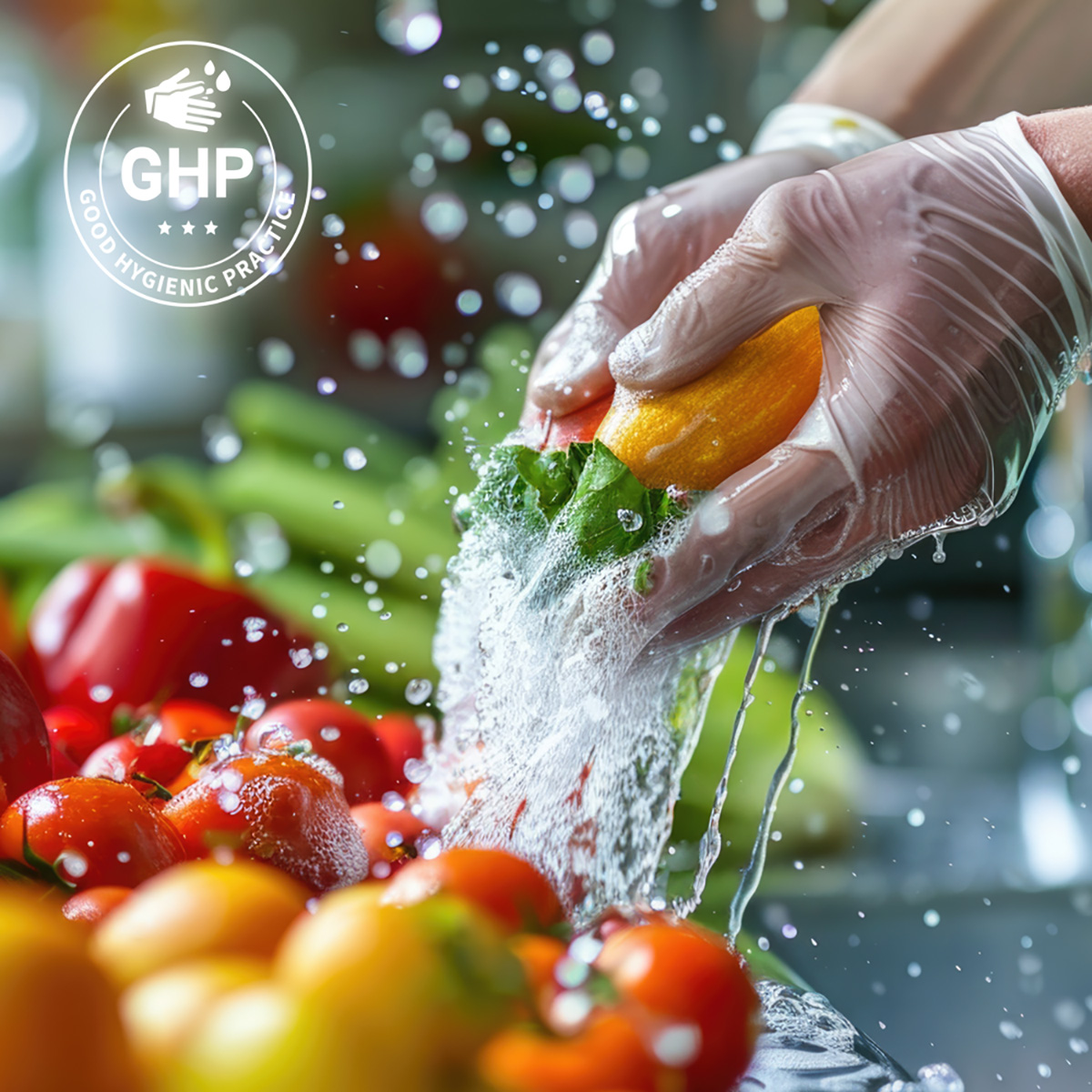
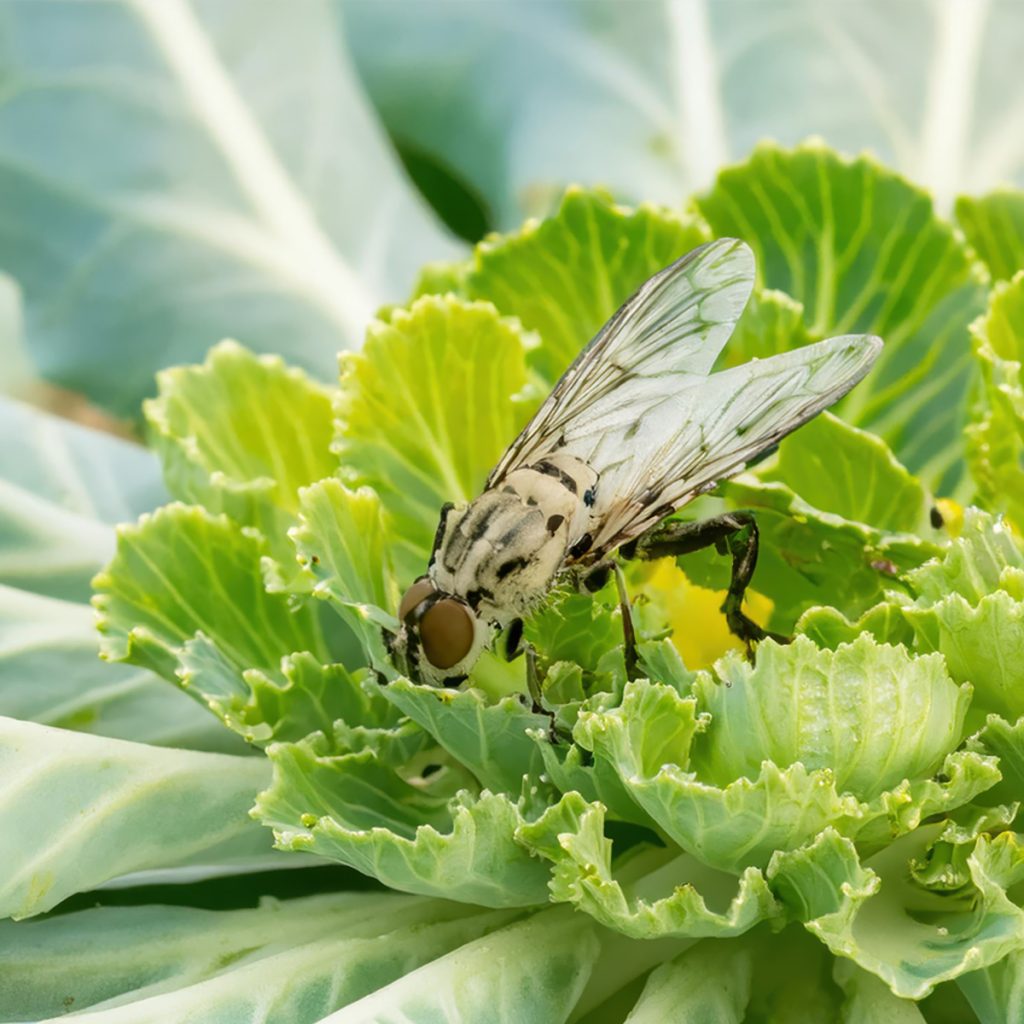
Vegetables and fruits are essential ingredients in food production. From growing and harvesting to cleaning and processing, they follow strict standards like HACCP or GMP to ensure safety and quality. This includes controlling the use of fertilizers and pesticides.
However, it’s impossible to completely remove all germs and pesticide residues. Contamination can happen at any stage, such as during handling, transport, or cleaning. If left unchecked, it can lead to problems like failed export inspections, food safety issues for consumers, and difficulties in managing food later on.
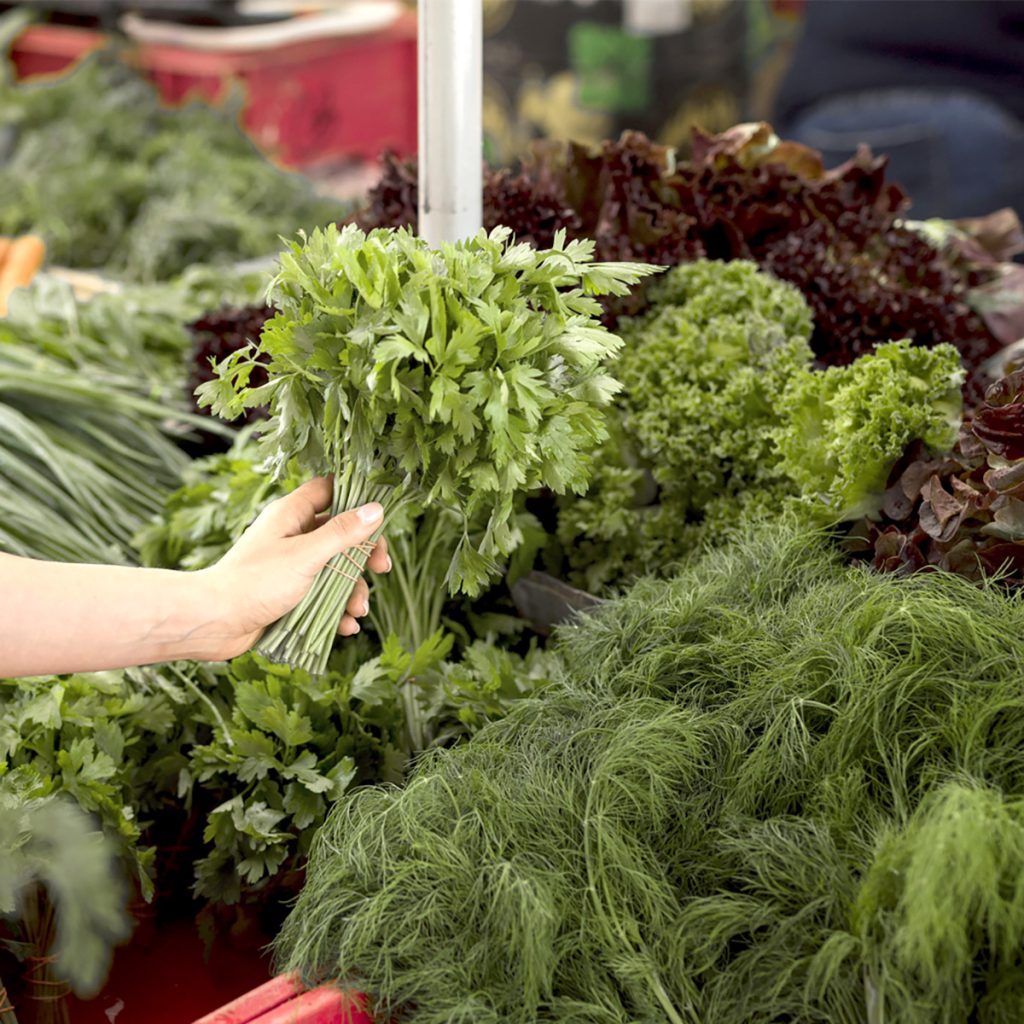
“Vegetables and fruits must be thoroughly washed and cleaned to eliminate contaminants such as soil-borne germs, contact-related pathogens, and pesticide residues before being mixed with other ingredients in the production process.”
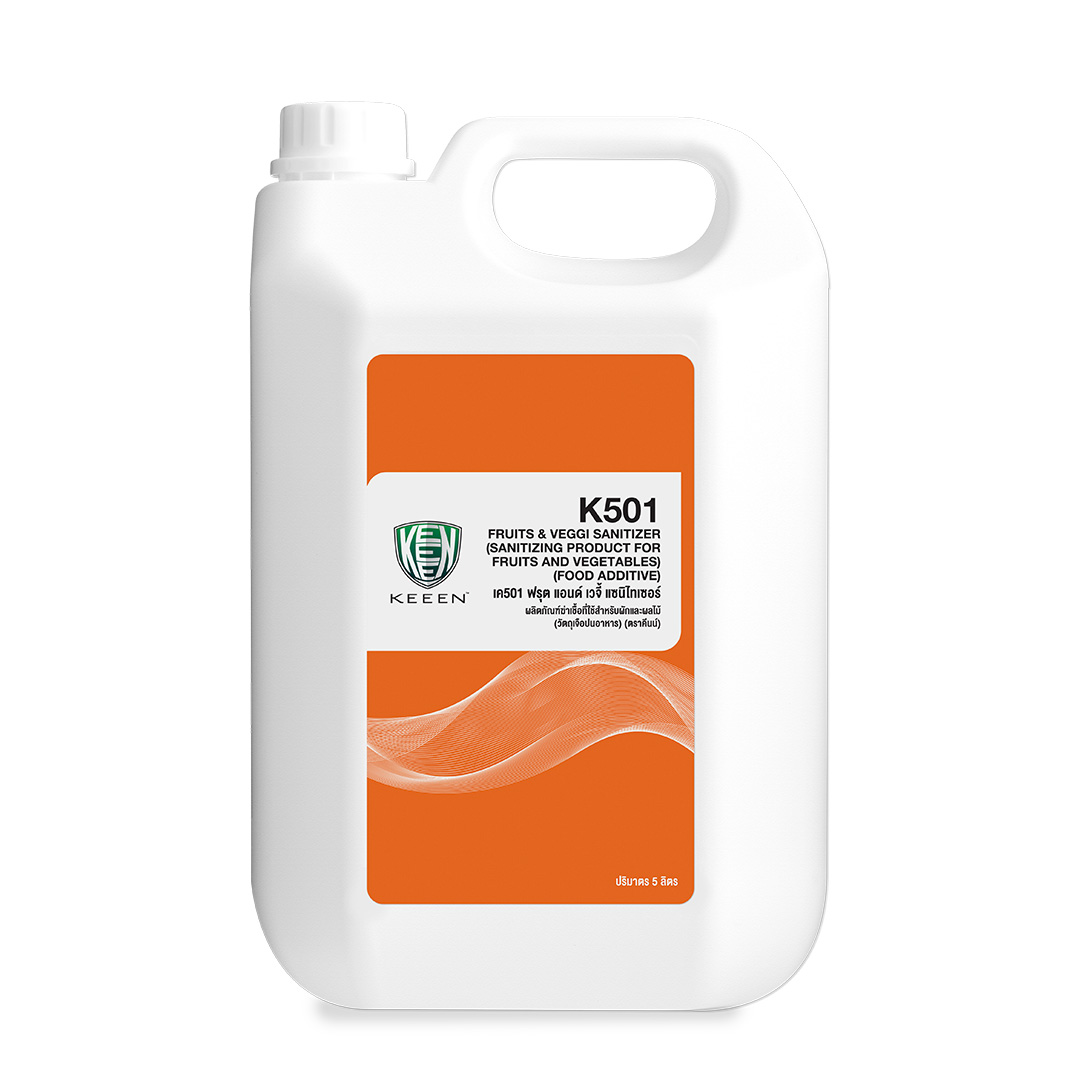
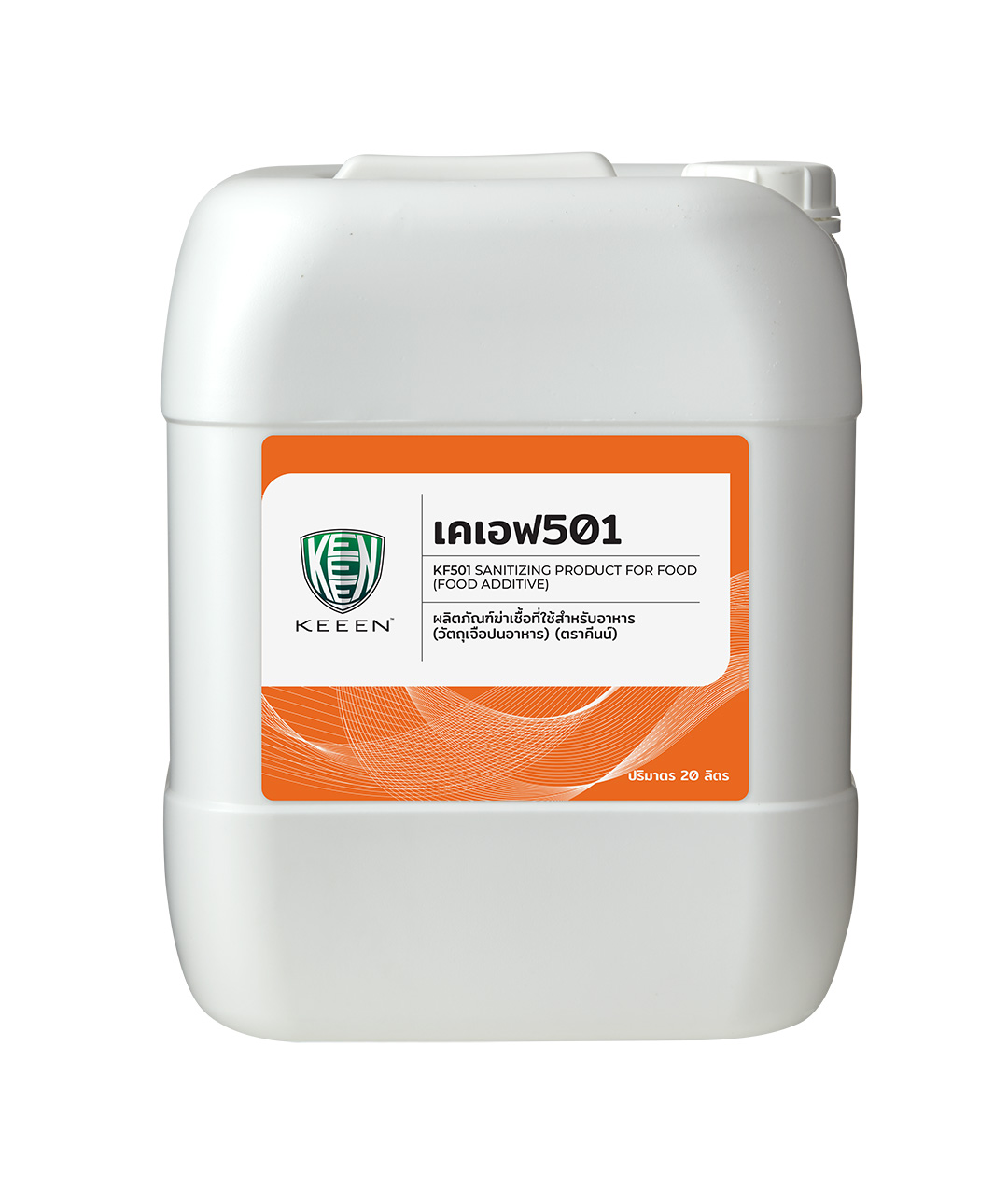
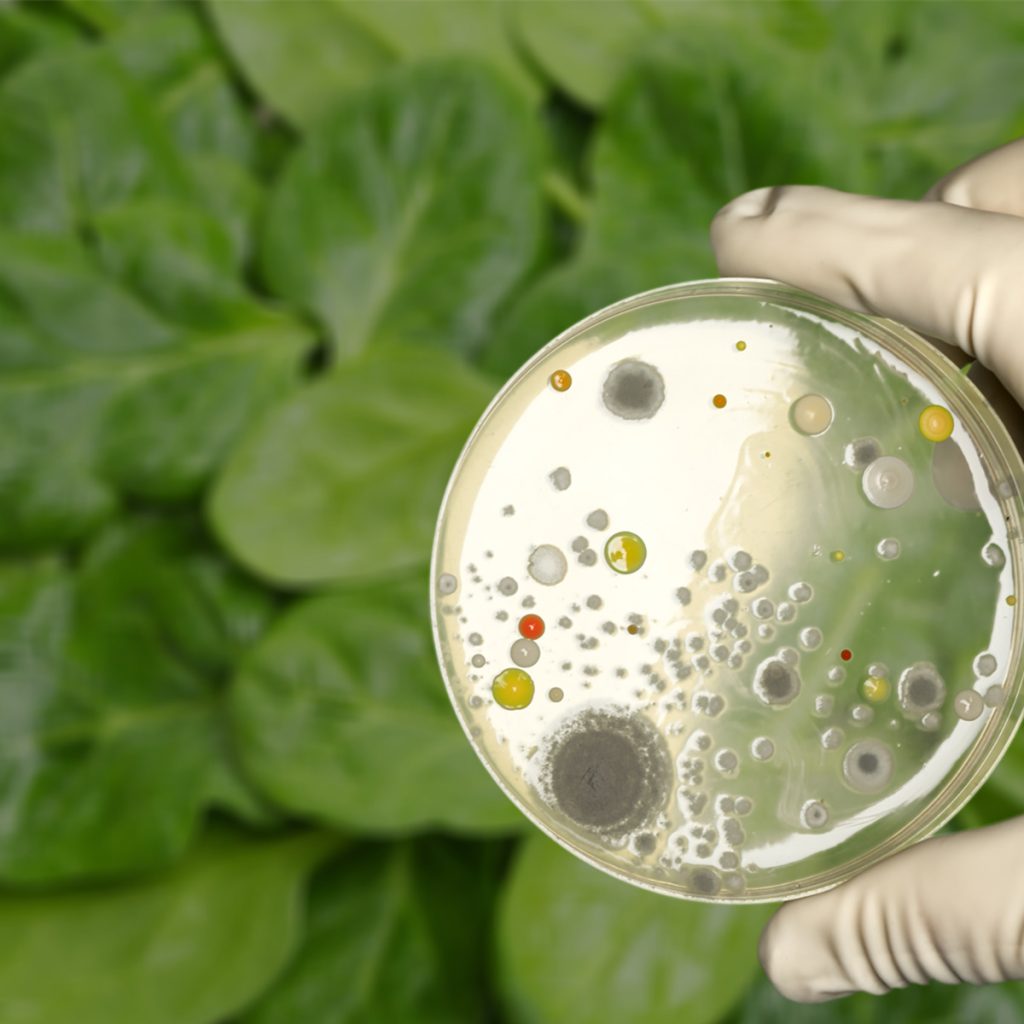
The superoxide ion innovation combines Hydrogen Peroxide and Acetic Acid, creating a powerful solution for breaking down particles and rapidly reducing the accumulation of various pathogens. It is especially effective against disease-causing bacteria such as Salmonella and Staphylococcus, which can lead to diarrhea and vomiting.
This innovation is also effective in removing pesticides commonly found in fruits and vegetables, including:
- Carbofuran: Used to control worms and aphids.
- Methomyl: Targets a wide range of insects.
- Dicrotophos: Effective against sucking, boring, or chewing insects on crops.
- EPN: A chemical base often mixed with other pesticides.
-
BLOG2025-28_Cleaning-Vegetables-02
-
BLOG2025-28_Cleaning-Vegetables-03
-
BLOG2025-28_Cleaning-Vegetables-04
This breakthrough provides a safe and efficient way to enhance food safety and reduce pesticide residues in produce.
“One innovation that tackles pathogens and pesticides, extends the shelf life of fruits and vegetables, minimizes spoilage, and helps reduce production costs.”
Why Avoid Using Chemicals to Disinfect Vegetables and Fruits in Production?
- Chemical Residue: Chemicals may not be completely washed off, leading to residue remaining on the produce.
- Excessive Use: Overuse of chemicals can create harmful toxins.
- Skin and Eye Irritation: Chemicals can cause irritation when in contact with skin or eyes, especially for workers with sensitive skin or allergies.
- Inhalation Risks: Breathing in volatile chemicals can irritate the respiratory system.
- Nutrient Loss: Chemicals can damage vitamins and nutrients in fruits and vegetables, reducing their nutritional value.
Environmental Impact: Chemicals can contaminate water sources when wastewater is released, harming aquatic life and ecosystems.