

Posted on February 20, 2026 by Keeen
Challenges in Managing Wet Waste
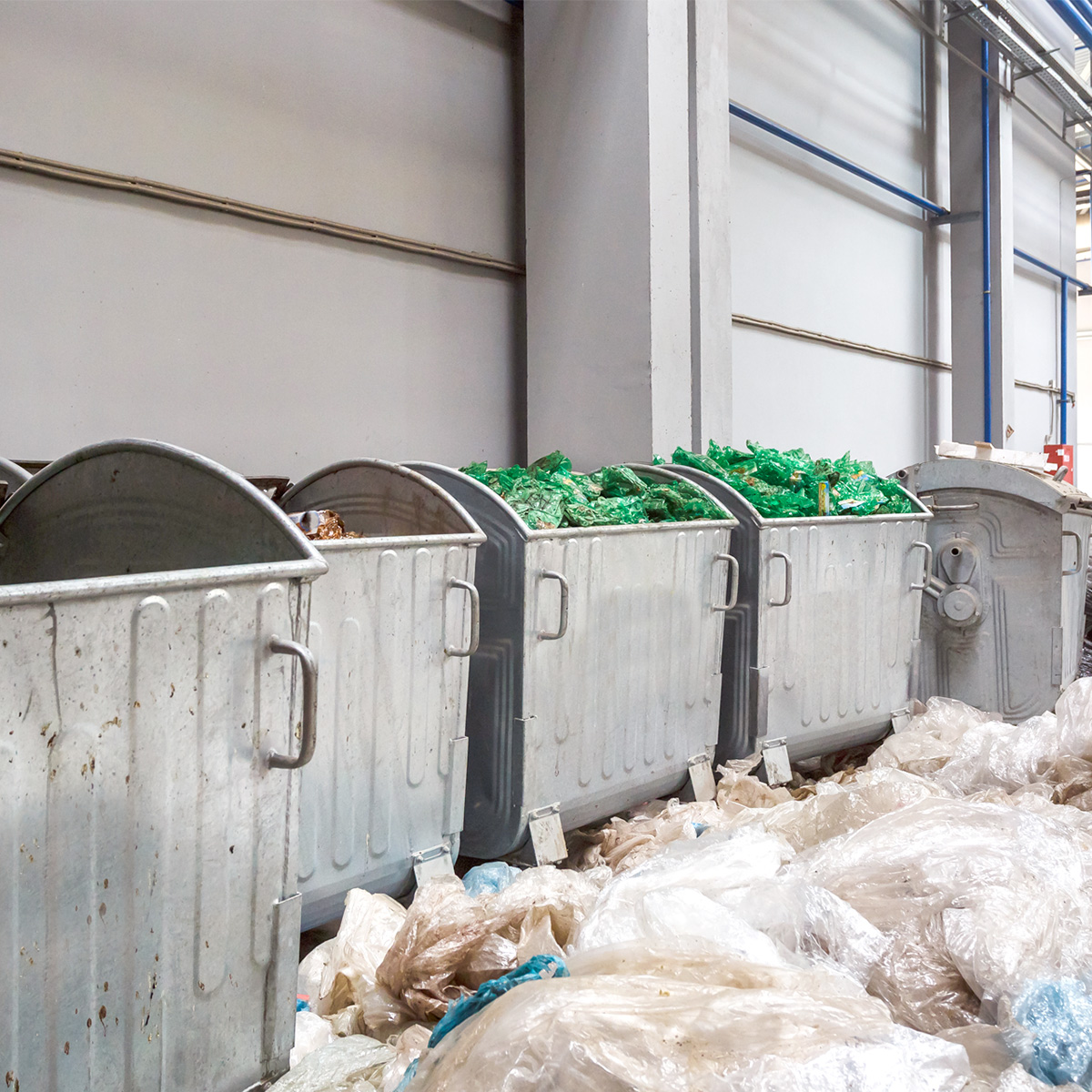
Wet waste poses problems at every scale—from household kitchens to office buildings, shopping malls, community areas, and especially markets, which are major hubs of activity. You’ll often find that odors from decaying organic matter create air-quality issues, compromise hygiene, and attract disease vectors such as rodents and cockroaches, all of which increase the risk of direct or indirect pathogen transmission.
Source of Odor
Food scraps, fruit and vegetable peels, and animal-derived residues in a high-moisture, poorly ventilated environment are broken down by anaerobic bacteria, releasing objectionable gases for example Hydrogen sulfide (H₂S) “rotten egg” odor, Ammonia (NH₃) pungent, urine-like smell, Volatile fatty acids (VFAs): sour/putrid notes
Temperature is a key factor controlling these microbial processes. In cool climates, lower heat and humidity slow the growth of odor-producing bacteria and the generation of these gases.
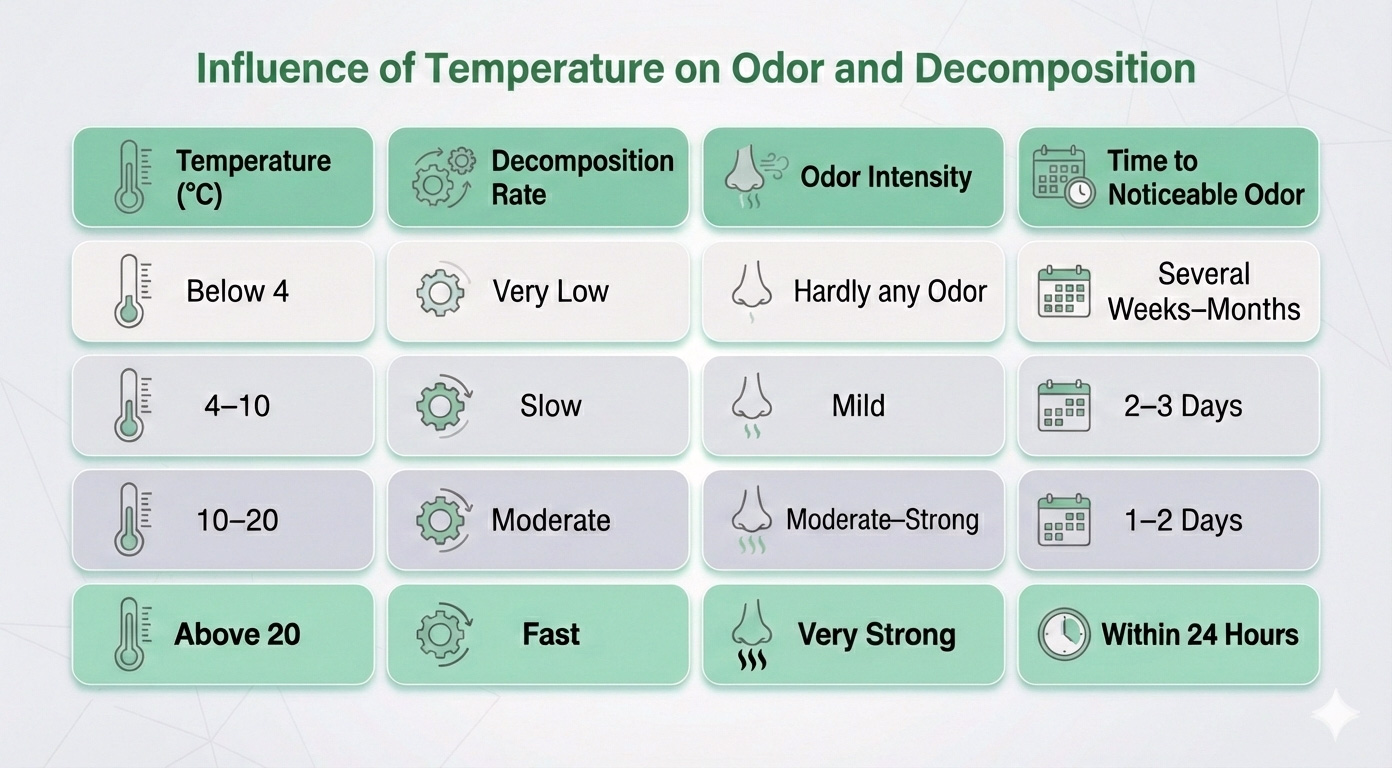
| Temperature (°C) | Decomposition Rate | Odor Intensity | Time to Noticeable Odor |
|---|---|---|---|
| Below 4 | Very slow | Almost no odor | Weeks to months |
| 4–10 | Slow | Mild | 2–3 days |
| 10–20 | Moderate | Moderate to strong | 1–2 days |
| Above 20 | Fast | Very strong | Within 24 hours |
Other factors that accelerate odor formation include accumulated wash-water from dish- and utensil-rinse stations pooling in floor drains, creating a breeding ground for bacteria. Inadequate ventilation, which traps odorous gases. Mixed waste streams (combining food scraps with damp paper or textiles), stimulating diverse microbial communities and complex odors. Extended storage times—letting wet waste sit beyond 24–48 hours intensifies decay and odor release
Recommendations for Odor Control
- Temperature Control
Maintain the wet-waste room at 4–10 °C using fans or air-conditioning to slow microbial activity. - Humidity Management
Improve air exchange and use drip trays to capture rinse-water before it seeps into drains. - Frequent Disposal
Even in cool conditions, remove wet waste every 48–72 hours to prevent long-term buildup. - Bio-Based Odor Treatment
Apply KEEEN’s bio-enzymatic odor neutralizer—augmented microbes and proprietary enzymes that target the root causes of odor even at low temperatures.
A New Paradigm for Sustainable Waste-Room Management
KEEEN’s solution goes beyond odor removal. It represents a “new way of thinking,” turning wet-waste rooms into predictable, controllable systems that reduce odor pollution and foster a healthier environment for everyone.