



Posted on May 29, 2025 by Keeen
Biomass/Waste Plastic Conversion

Bio-oil, obtained from pyrolysis or the conversion of biomass/plastic waste, has potential applications in various industrial and energy sectors. However, its uses depend on the quality of bio-oil and any necessary upgrading after production.
🌱 Main Applications of Bio-oil
1️.Energy Fuel
- 🔥 Direct combustion
Used as fuel in boilers, industrial furnaces, or biomass power plants to produce heat or electricity.
✅ Advantage: Reduces dependency on fossil fuels.
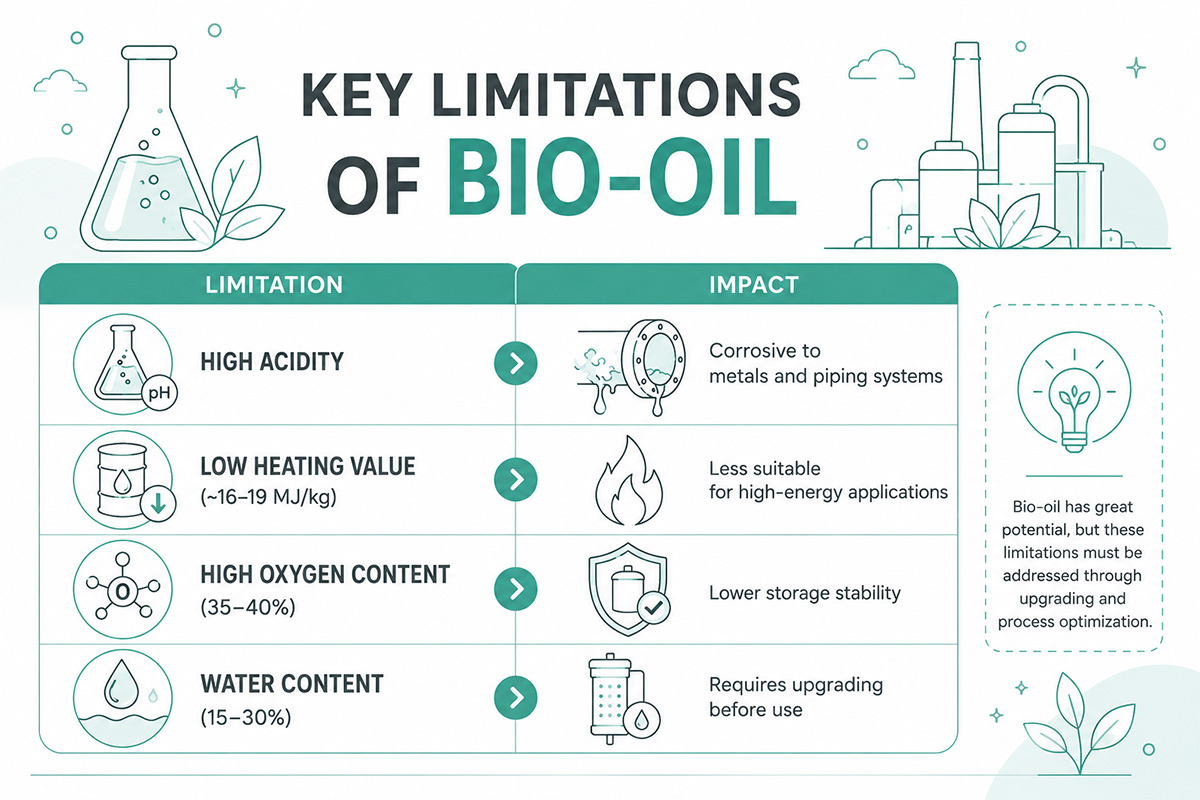
⚠️ Limitation: Bio-oil has a low heating value, high oxygen content (~35-40 wt%), and acidity, which may require equipment modifications before use. - ⛽ Transportation fuel
After upgrading via hydrogenation or hydrodeoxygenation (HDO), bio-oil can become green diesel or green gasoline, comparable in quality to fossil fuels.
✅ Example: Neste (Finland) has developed biofuels for aviation from bio-oil.
⚠️ Limitation: Requires additional refining systems and has high costs.
2️. Chemical Feedstock
- 🧪 Production of value-added chemicals such as:
- Phenol, Acetic acid, Furfural, Hydrocarbons (BTX: Benzene, Toluene, Xylene)
- Used in plastics, rubber, paint, and solvent industries.
✅ Suitable for bio-oil that has undergone fractionation to separate specific compounds.
⚠️ Requires precise separation technology such as membrane or supercritical extraction.
3️. Biochemical Industry
- 🌾 Soil and fertilizer enhancers
Certain bio-oils contain organic acids and phenolic compounds that help balance soil pH and enhance nutrient absorption. - 🌱 Bio-pesticides or plant growth promoters
Derived from pyrolysis compounds like levoglucosan.
4️. Material Production
- 🏭 Bio-asphalt and bio-bitumen
Bio-oil can blend with bitumen to reduce petroleum use in road construction.
✅ Example: In Europe, bio-oil is used for road building to support a circular economy. - 🪵 Bio-composites
Used in furniture, plywood, and construction materials requiring bio-based resins as binders.
5️. Heavy Oil Substitute
- 🚢 Can replace bunker oil or heavy fuel oil for ships in some cases, especially when co-processed with crude oil.
- ✅ Reduces sulfur content in fuel, aligning with IMO (International Maritime Organization) standards of ≤ 0.5% sulfur.
🚩 Key Limitations of Bio-oil
📈 Market Overview & Growth Trends
- 2024-2025 Market Size: The pyrolysis oil market reached USD 360 million (2024) and is projected to grow to USD 500–622 million by 2025 (sources: UnivDatos, Reports and Insights, Archive Market Research, Allied Market Research).
- Globally (including biomass and plastic feedstock), the market was estimated at USD 433 million in 2024, expected to surge to USD 700 million by 2033, growing at a CAGR of approximately 5–6%.
- CAGR (Compound Annual Growth Rate): Ranges between 4–5%, with some reports noting as high as 15–19%, depending on market scope.
Bio-oil acts as a “bridge” converting waste materials into high-value energy, chemicals, and construction materials.
It is applicable in thermal energy, fuels, chemical feedstocks, and even material production, but requires quality upgrading to be viable for large-scale industrial use.