


Posted on April 17, 2025 by Keeen
♻️ New Solutions for Community Landfill Management
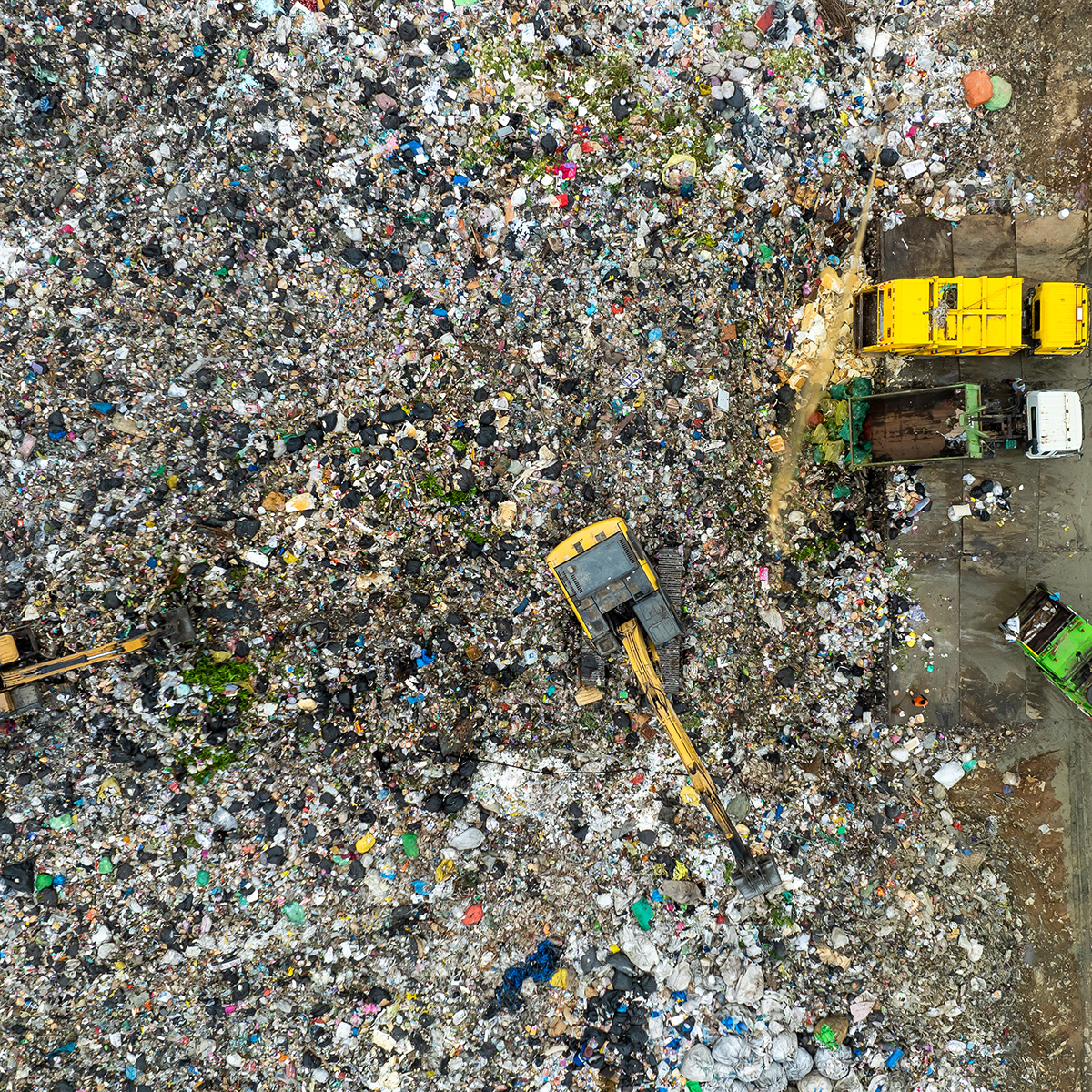
🗑️ What is a Community Landfill?
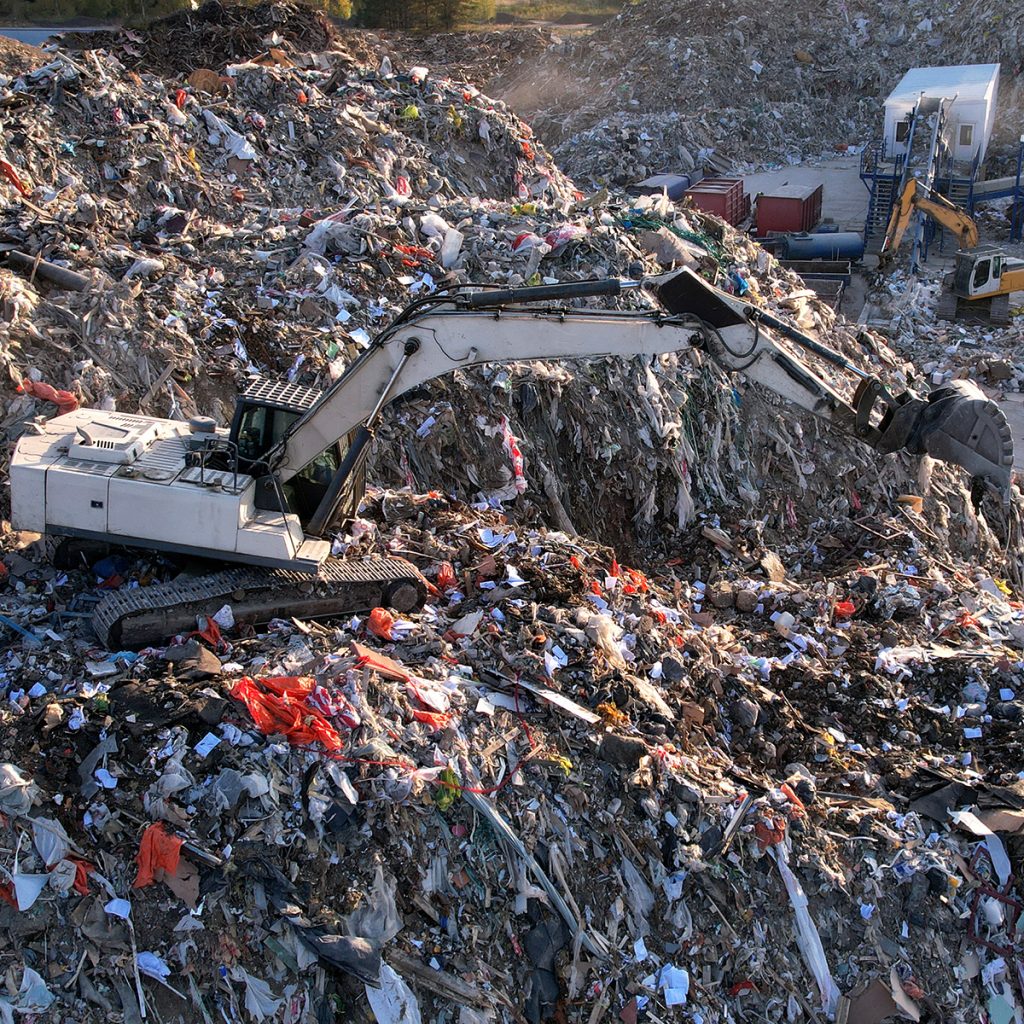
A community landfill (Municipal Waste Landfill) is a local waste disposal site, typically overseen by sub-district administrative organizations or municipalities. Most sites rely on simple burial (open dumping) methods due to low costs and convenience. However, over time, these methods have become the main source of expanding environmental pollution.
🔍 Where Do the Problems Begin?
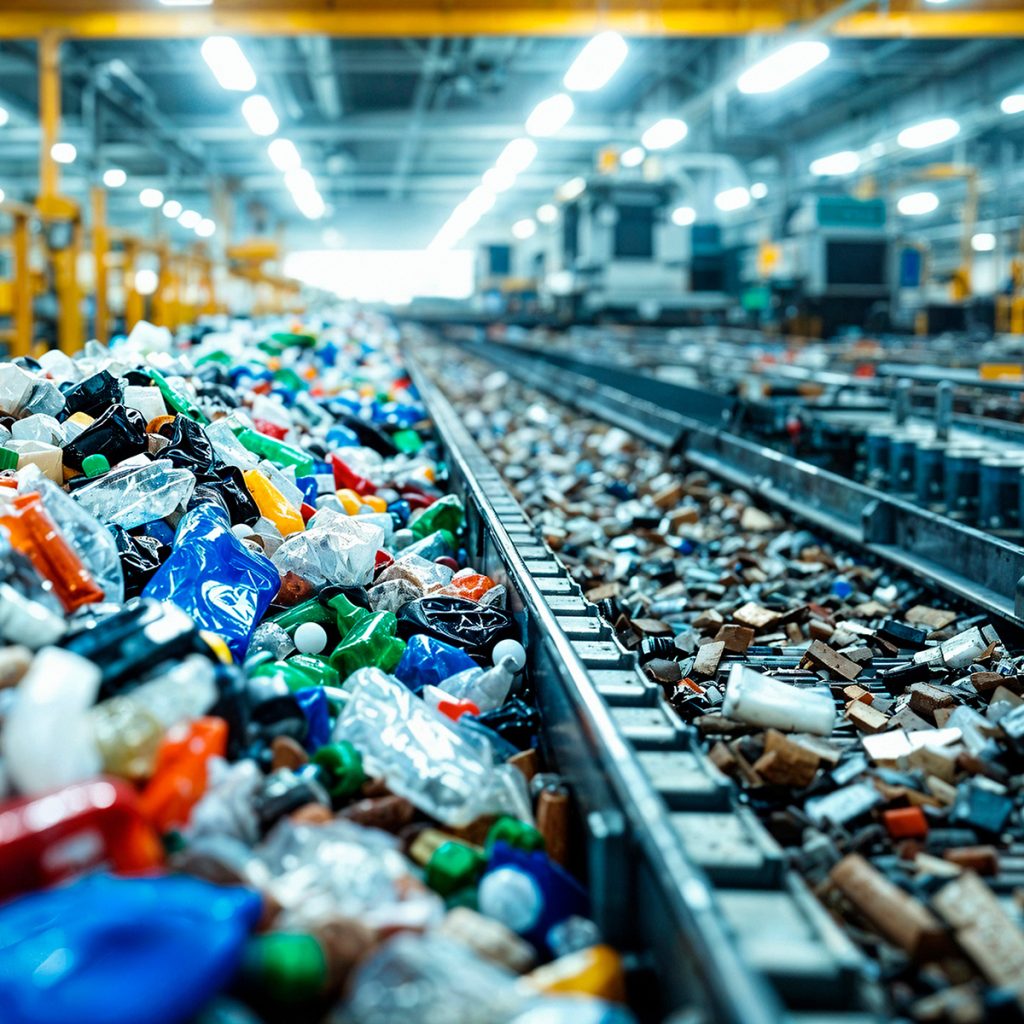
1. Lack of waste separation at source. Organic and inorganic waste are mixed. As organic matter decomposes, it releases foul odors and gases, and when hazardous waste like batteries, fluorescent lamps, or chemicals are mixed in, toxic contamination arises.
2. Open dumping without protective layers. Many landfills lack geomembrane liners, causing leachate (toxic wastewater) to seep into the soil and underground water, worsening odorous emissions.
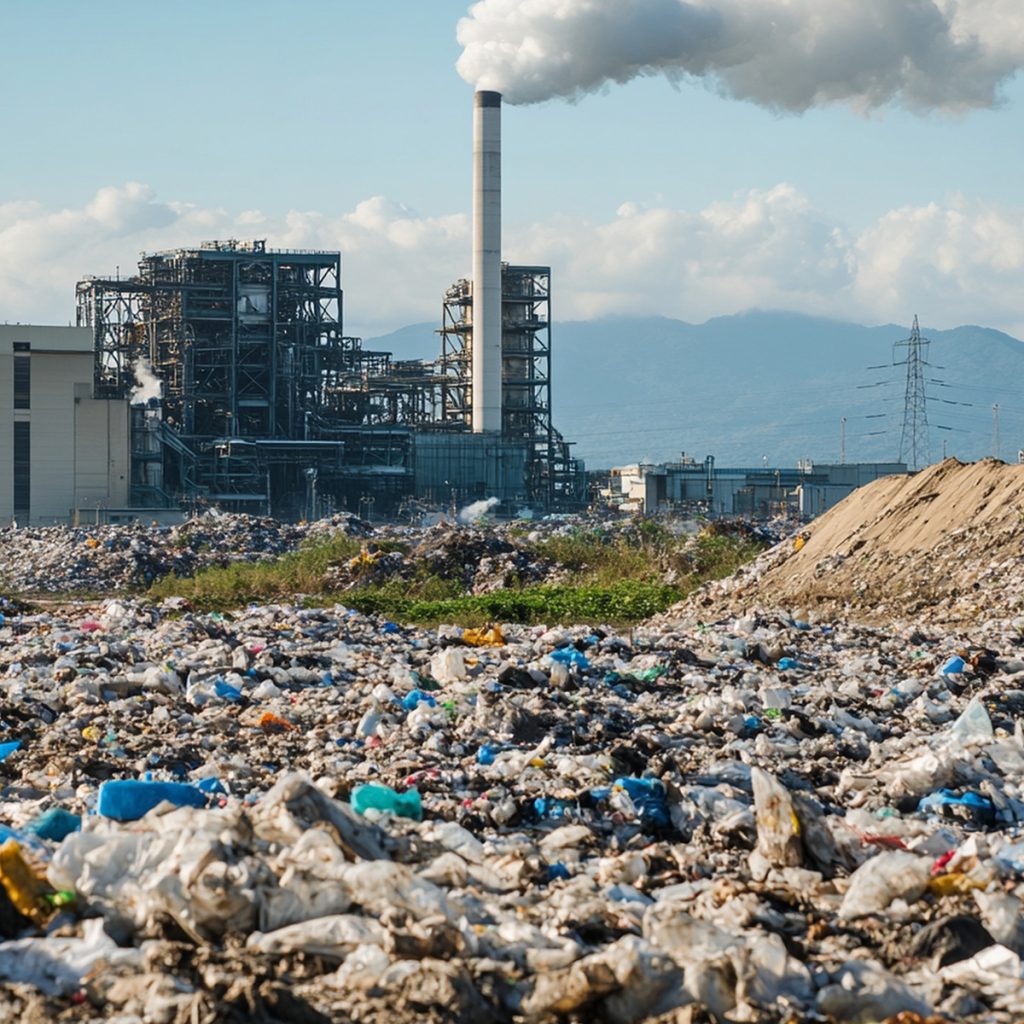
3. No odor or gas treatment systems. Anaerobic decomposition of organic matter in these landfills releases gases like hydrogen sulfide (H₂S), ammonia (NH₃), and methane (CH₄), creating odors that can spread 1–2 km from the site.
-
BLOG2026-09_New-Solutions-for-Community-Landfill-MNM-02
-
BLOG2026-09_New-Solutions-for-Community-Landfill-MNM-03
-
BLOG2026-09_New-Solutions-for-Community-Landfill-MNM-04
🦠 Widespread Impacts ✅ Environmental Impact, leachate contaminates groundwater and natural water sources. Air pollution from both foul odors and airborne microorganisms. Methane gas (CH₄) emissions significantly contribute to global warming. ✅ Health Impact, respiratory problems from toxic gas inhalation. Breeding grounds for flies, rats, and disease-spreading insects. Decline in mental well-being and quality of life in surrounding communities. ✅ Economic Impact, surrounding areas become deteriorated zones. Property values decrease.The image of municipalities and local authorities is damaged.
🛠️ Why Have Traditional Solutions Failed? Even though there have been efforts like using EM (Effective Microorganisms), upgrading to Sanitary Landfills. Establishing waste sorting centers. However problems persist due to inconsistent or unsustained policy implementation. Generic odor control products not tailored to landfill conditions (e.g. EM can’t control high H₂S levels). Also lack of budget and skilled personnel and low community engagement due to lack of knowledge and lack of visible results.
🌱 A New Approach: Biological Odor Control with KEEEN

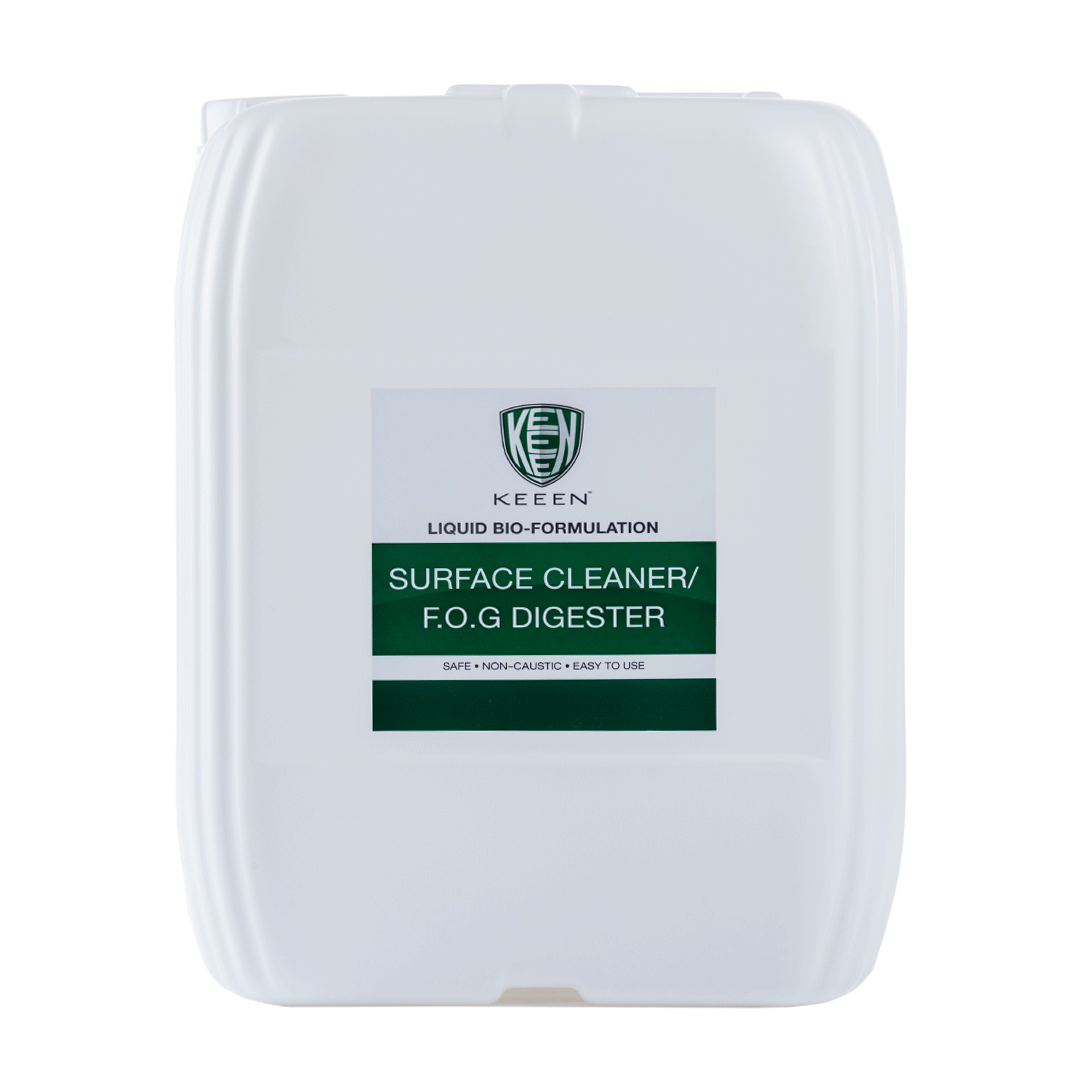
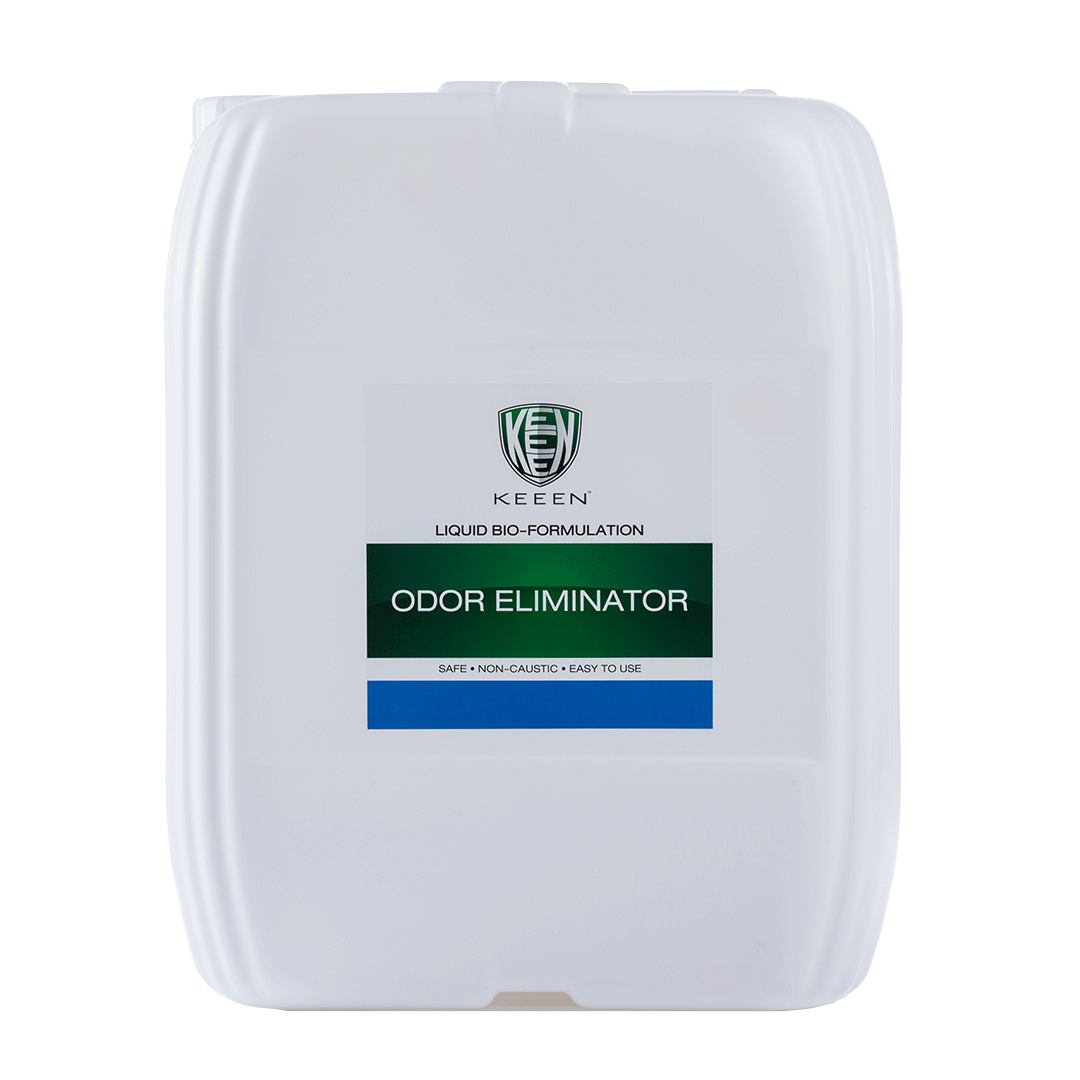
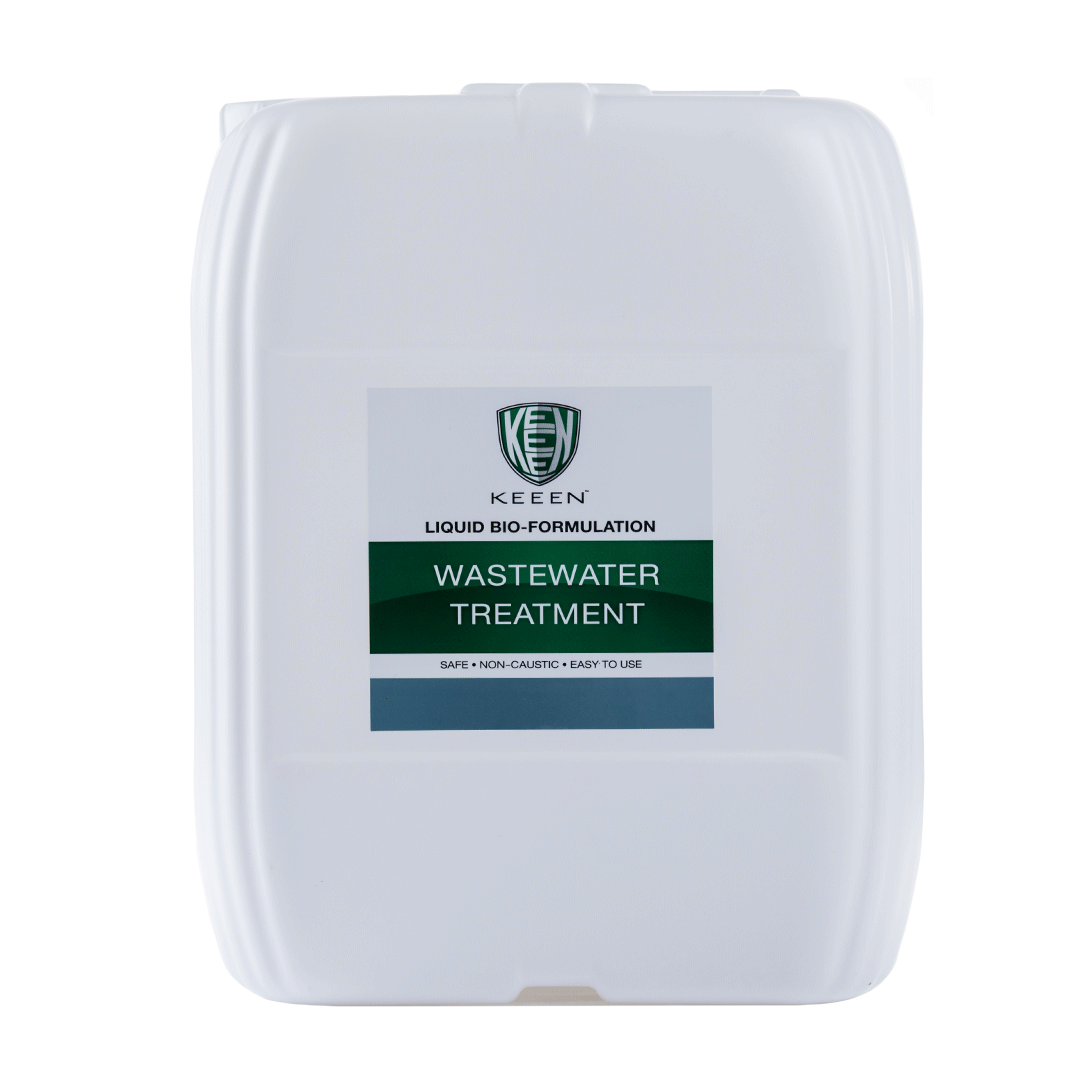
✅ KEEEN’s Solution – our innovation based on Augmented Microbes technology, is a smarter way to manage landfill pollution.
🔬 How it Works by utilizes selected microbial strains that digest organic matter and reduce foul-smelling gases. Then breaks down hydrogen sulfide, ammonia, and volatile organic compounds (VOCs), not a masking agent — it eliminates odor at the source.
🧪 How to Use : Mix with water and spray on areas with organic waste, such as wet garbage piles. Suitable for use in compost pits, leachate collection areas, pipelines, or landfill dikes. Effectively controls odor within 24 hours.
📊 Results: Noticeable odor reduction in a single day. Reduces complaints and potential lawsuits from nearby residents. Increases public trust in government and municipal landfill operators.
🔄 Real Use Cases : examples of successful applications include Praeksa Municipal Waste Center (Samut Prakan), Phra Phutthabat Municipality Landfill (Saraburi), Songkhla Waste-to-Energy Plant Project
📝 Rethinking Waste for Sustainable Management
As long as we rely on outdated landfill practices, odor, wastewater, and environmental pollution will persist. It’s time to adopt modern, sustainable solutions involving both technology and community cooperation.
KEEEN products are more than just odor eliminators — they represent a new mindset for turning decomposing waste into controllable, eco-safe systems, helping to improve the environment and public health.