


Posted on April 3, 2025 by Keeen
Burnt-On Residues on Foodservice Equipment Surfaces
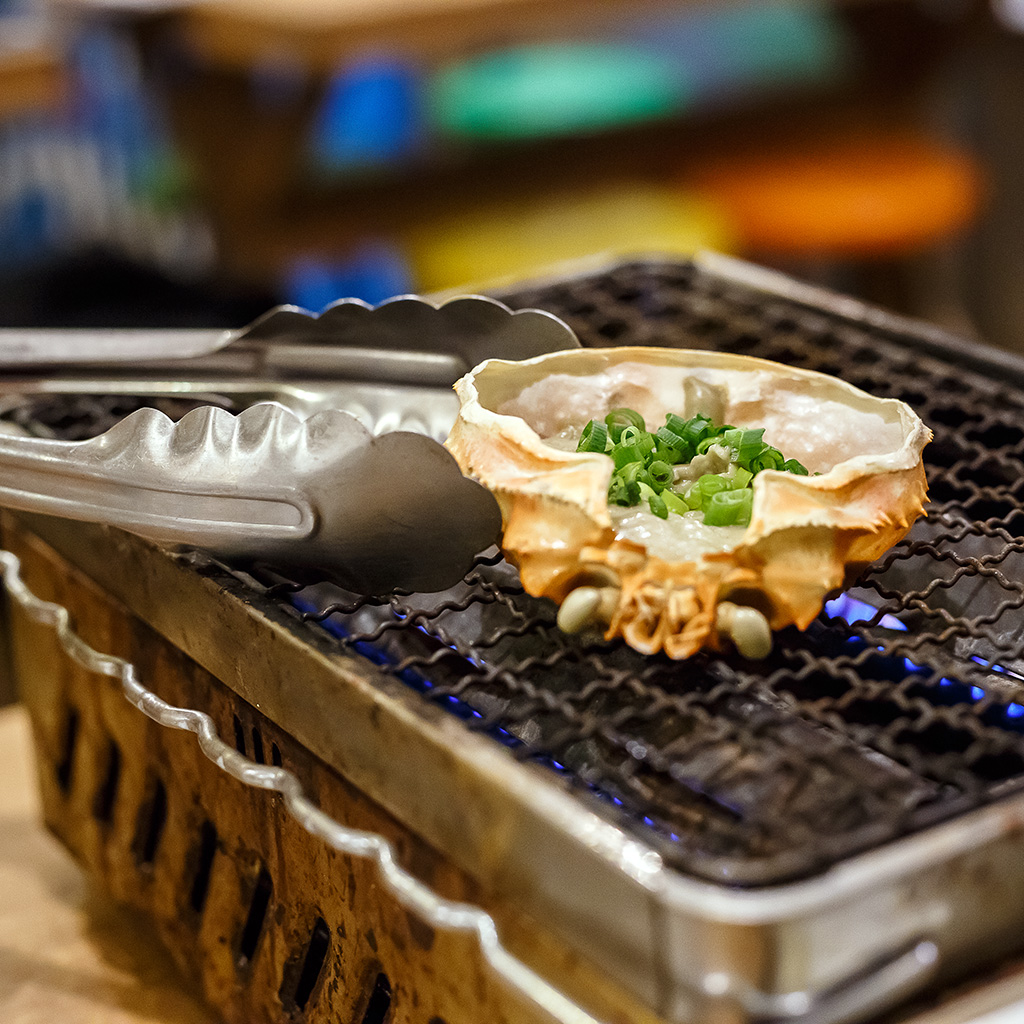
In the foodservice industry—whether in restaurants, industrial kitchens, food trucks, or deep-fry operations—heated equipment such as skillets, grills, ovens, broilers and fryers frequently develop burnt-on residues. These deposits arise when proteins, fats and carbohydrates are exposed to high temperatures, forming stubborn carbonized layers that cling to surfaces, generate off-flavors, impair equipment efficiency and even pose hygiene risks. Here, we explore the underlying science, the operational and safety impacts, and propose a systematic, sustainable cleaning approach.
Causes of Burnt-On Residues
- Maillard Reaction
A chemical reaction between amino acids and reducing sugars under heat. Below about 140 °C it creates desirable color and aroma, but at higher temperatures carbonized particles form that adhere tenaciously to surfaces. - Lipid Polymerization
Fats and oils exposed to prolonged heat undergo oxidative breakdown and recombine into tough, polymeric films that resist removal. - Layering Effect
Fresh residues build up atop incompletely removed layers, increasing overall thickness and making each subsequent cleaning more difficult.
Impacts on Equipment and Hygiene are Reduced Heat Transfer Efficiency
Burnt-on layers act as thermal insulators, slowing cooking times and increasing energy consumption. Material Degradation Frequent use of harsh acid cleaners or concentrated caustic solutions (e.g., sodium hydroxide) accelerates corrosion of stainless steel and other metals, risking pitting and rust. Hygiene Risks
Burnt deposits harbor bacteria and can trap off-flavors. Inadequate cleaning may lead to microbial contamination of food. Moreover, corrosive residues can irritate workers’ skin or lungs if not fully rinsed away.
Key Considerations in Selecting Cleaning Agents
- Balance of Efficacy and Safety
General detergents often struggle with heavy carbonized films, yet overly aggressive chemicals threaten both operator safety and equipment integrity. - Innovative Plant-Based Acid Technologies
Modern formulations combine mild organic acids with bio-surfactants derived from plants to soften and emulsify residues without extreme pH levels, thereby reducing corrosion and health hazards. - Operator Protection and Ergonomics
Minimizing reliance on concentrated caustics reduces the need for extensive personal protective equipment (PPE), lowers splash and fume risks, and saves labor time.
Challenges in Traditional Cleaning
- Time and Labor Intensity
Manual scrubbing of baked-on deposits is tiring, slow and inconsistent, compromising throughput in fast-paced foodservice settings. - Health & Safety Concerns
High-strength cleaners require rigorous PPE and well-ventilated areas, yet accidental splashes or vapors still pose respiratory and dermal hazards. - Inconsistent Results
Over- or under-application of chemicals can either damage surfaces or leave residues behind, undermining both safety and appearance.
-

2.Bio-based
-

3.Closed-Cleaning
-
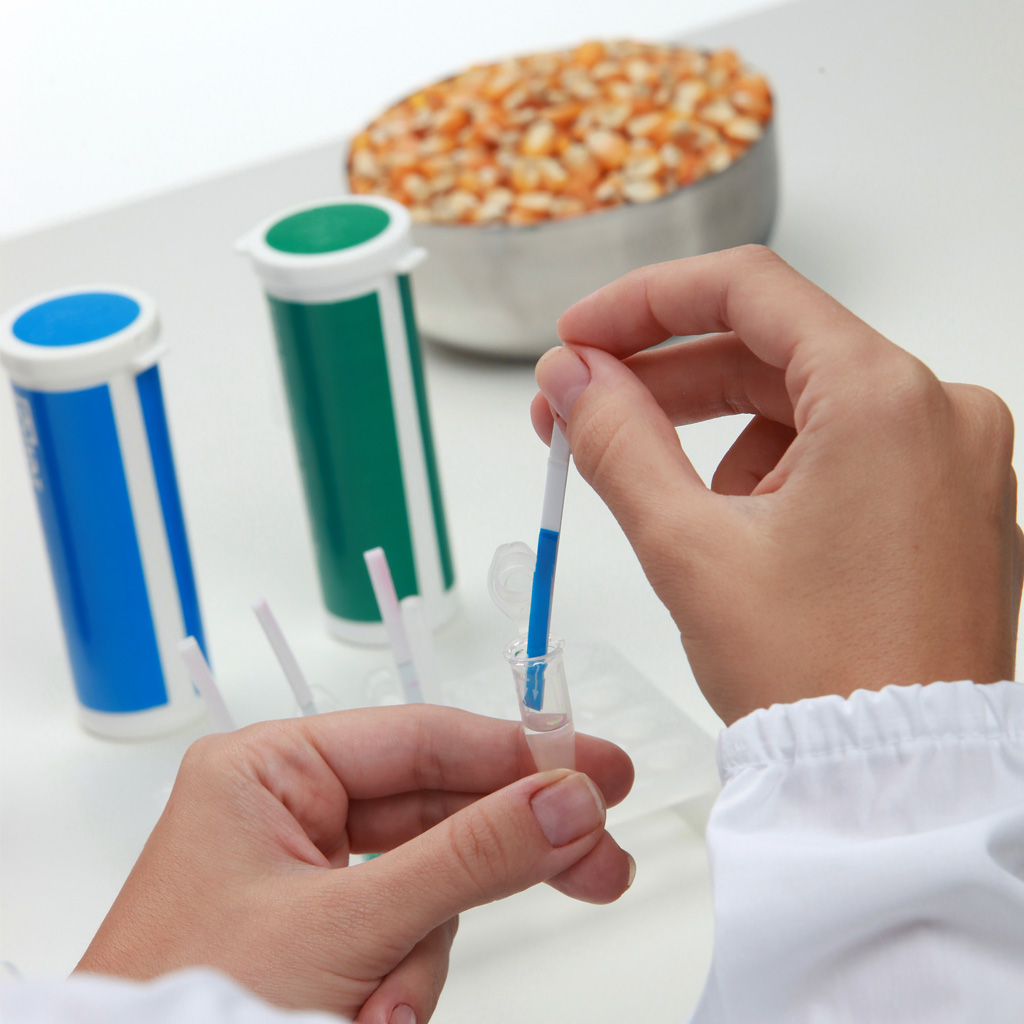
4.ATP-swab-test
Sustainable Cleaning Solutions
- Mechanical Pre-Treatment
- Use a warm-water pressure scrubber to dislodge and thin heavy layers before applying any chemical cleaner.
- Bio-Based Cleaner Formulations
- Enzyme-Enhanced Surfactants: Plant-derived enzymes target proteins and fats, breaking down polymeric bonds in carbonized films.
- Natural Organic Acids: Ingredients like citric acid chemically soften mineral and carbon residues, allowing rapid release of burnt particles.
- Low-Corrosion Profile: Gentle pH and biodegradable ingredients protect both metal surfaces and operator health.
- Closed-Loop Cleaning Processes
- Implement scheduled soaking cycles in dedicated cleaning tanks to minimize manual labor and maximize dwell time for the bio-cleaner.
- Performance Verification
- Employ ATP swab testing or similar rapid assays to verify the removal of organic residues and ensure hygienic surfaces.
- Operator Training & Documentation
- Conduct regular training on correct dilution, application and rinsing procedures.
- Maintain a cleaning-validation log and pictorial SOPs to guarantee consistency.
- Automated Spray Stations
- Consider installing high-pressure spray units in wash bays to further reduce manual effort and ensure uniform coverage of bio-cleaners.
-

5.Staff-Training
-

6.SOP
-
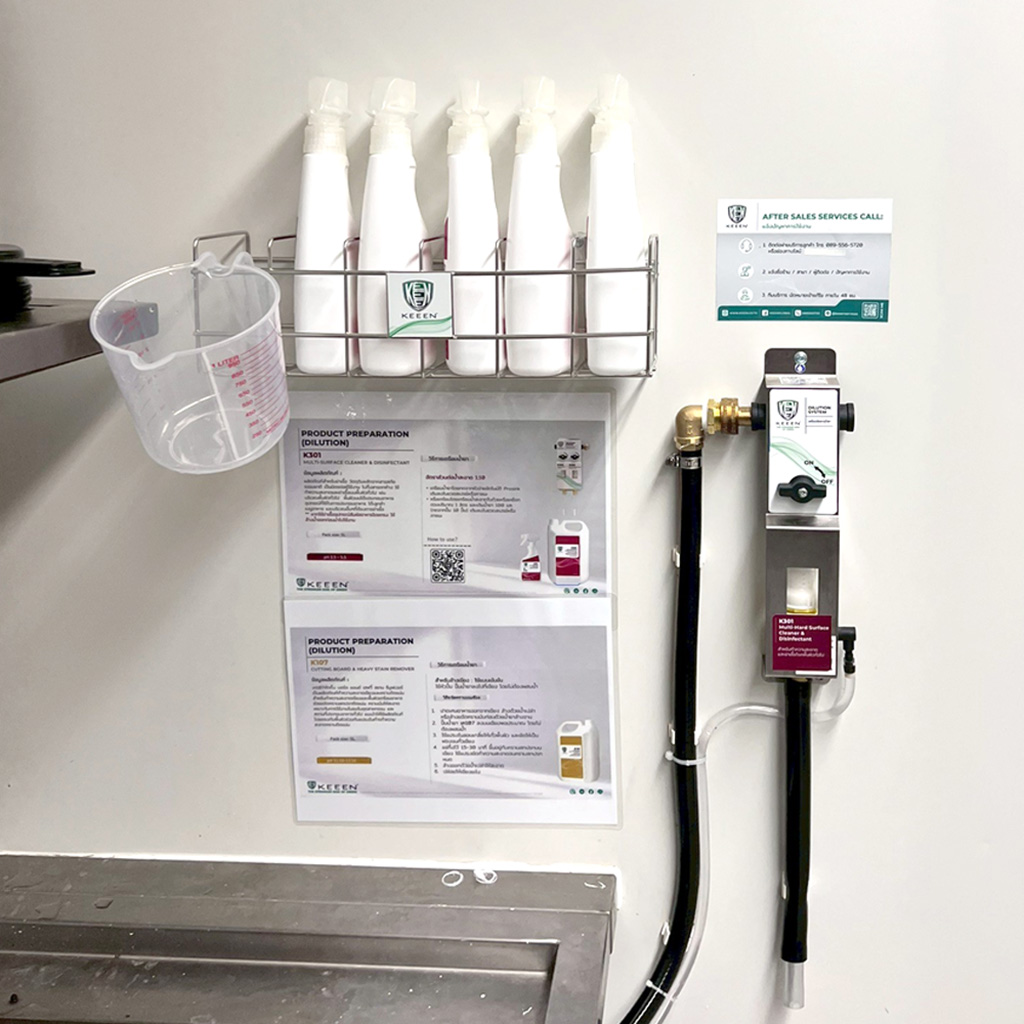
7.Dilution-Devices
Conclusion
Burnt-on residues present a persistent challenge to efficiency, safety and product quality in the foodservice sector. By understanding the chemical and physical mechanisms behind carbonized deposits—and by adopting sustainable, bio-based cleaning technologies that blend plant-derived acids and enzymes—operators can achieve rapid, reliable removal of burnt-on films without relying on harsh caustics. This approach safeguards equipment, protects workers, upholds hygiene standards and aligns with eco-friendly practices, all while reducing labor and operating costs—ultimately delighting both staff and customers.